Dealing with Electrical Noise in Big UV Setups
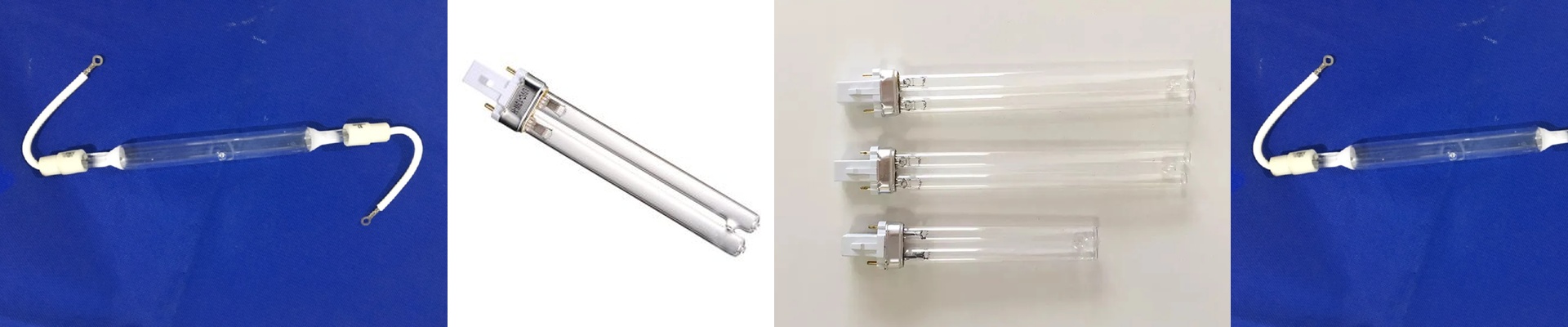
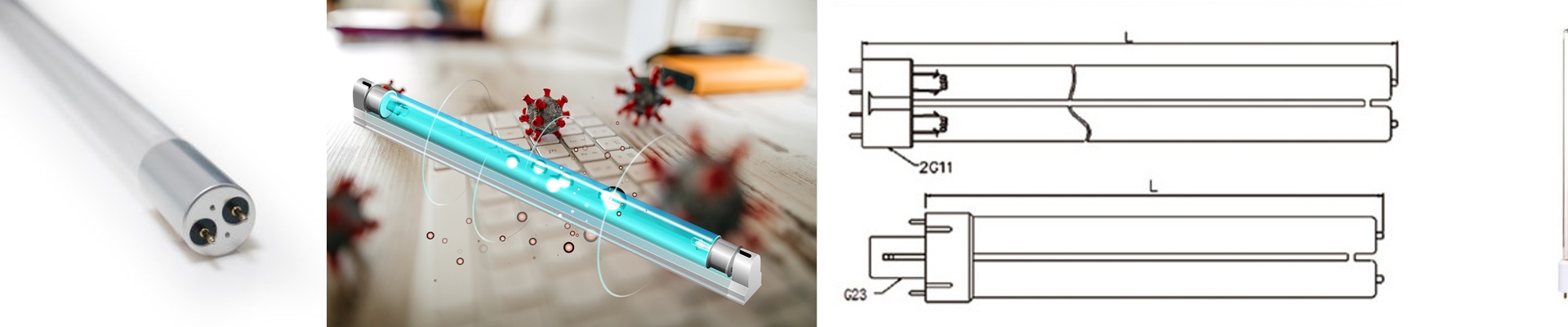
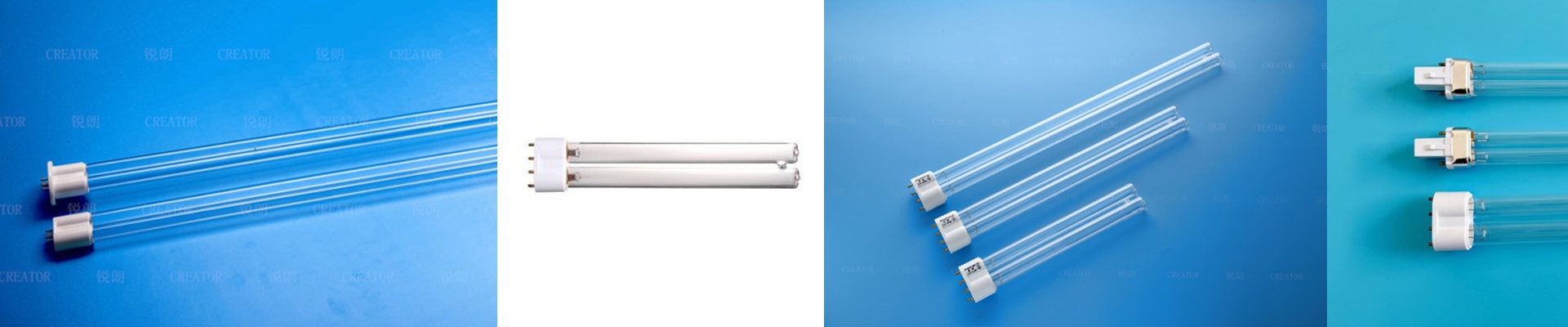
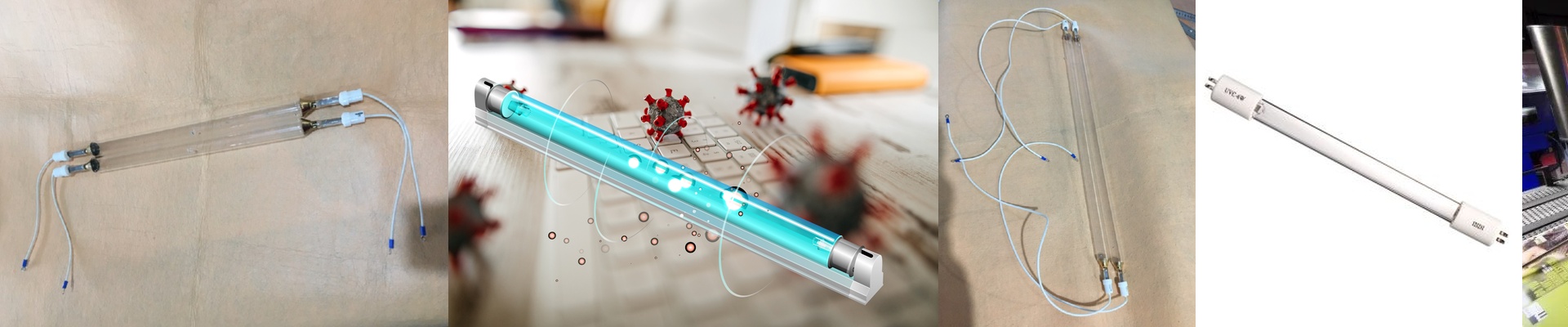
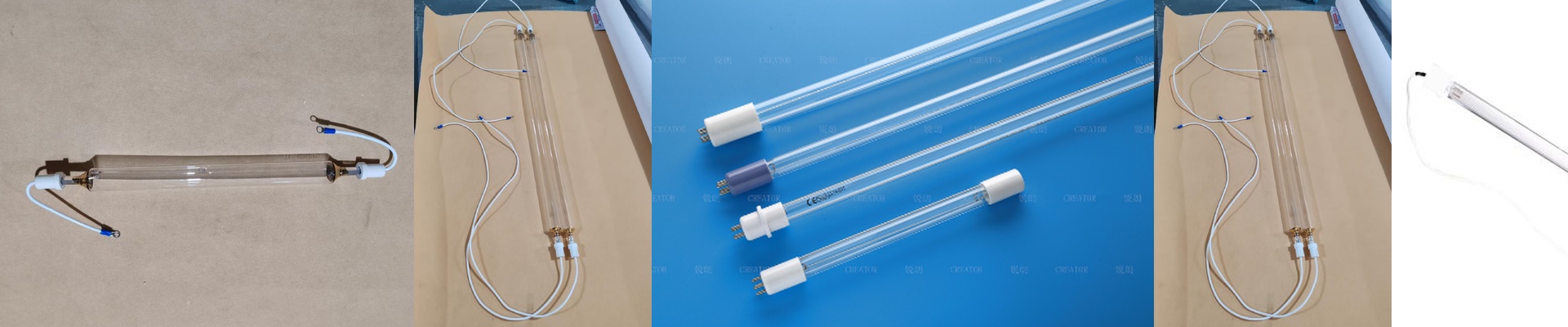
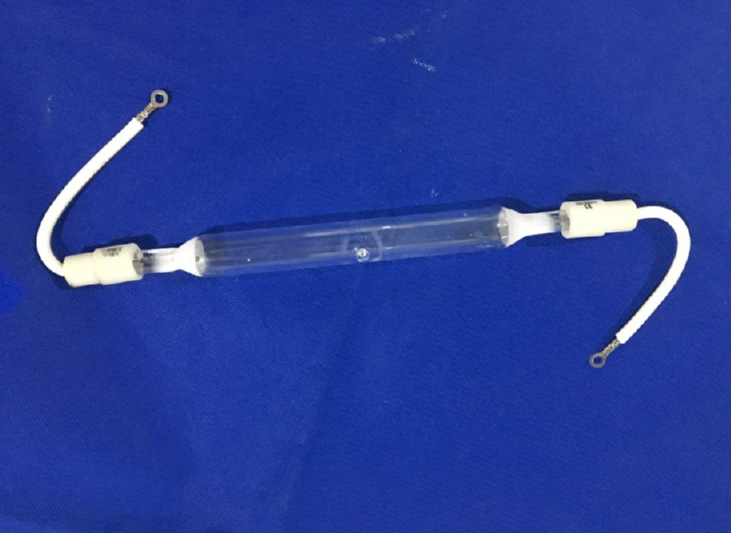
If you’re running a handful of large printing presses in one shop, you know it’s about more than just ink and paper. You’re basically managing a giant storm of electrical noise. Mercury UV lamps need a massive jolt of high voltage to start and a steady stream of current to keep that plasma arc alive. But here’s the problem: if the lamp or the ballast is poorly made, it leaks electromagnetic interference (EMI). That’s the kind of invisible junk that trips your sensors or makes your press controllers act possessed. Why stability actually matters We focus on making our mercury lamps “quiet.” It sounds simple, but it comes down to the tiny details—the purity of the quartz and exactly how the electrodes are shaped. When an arc wanders or flickers, you get voltage spikes. We keep our electrodes tight and centered so the power draw stays flat. It makes a huge difference. Your ballasts aren’t fighting a losing battle against fluctuations, and you get a steady UV output from one end of the tube to the other. No flickering. No “tiger stripes” on your prints. Just a clean cure. When you’ve got a crowded shop Now, imagine ten or twenty of these lamps firing at once. The interference can become a total nightmare. That’s why we design our lamps to stay in their own lane. They don’t bleed noise into the rest of your gear. You can pack your UV arrays closer together without worrying that the curing station is going to mess with your press electronics. But look, the lamp is only half the story. You’ve got to ground your housings properly. If your grounding straps are loose or rusted through, even the best lamp in the world will send ghost signals into your PLC. Throw in some shielded cabling to isolate everything, and you’re golden.