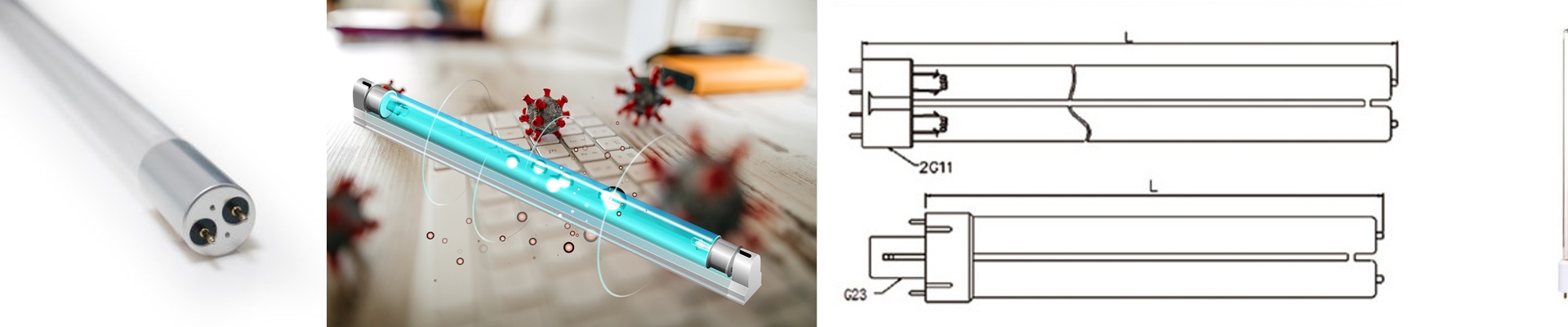
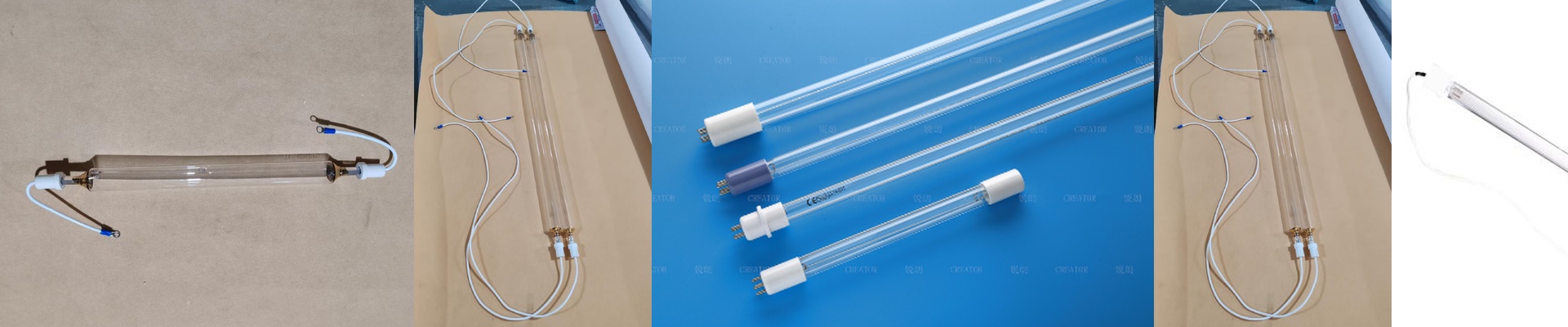
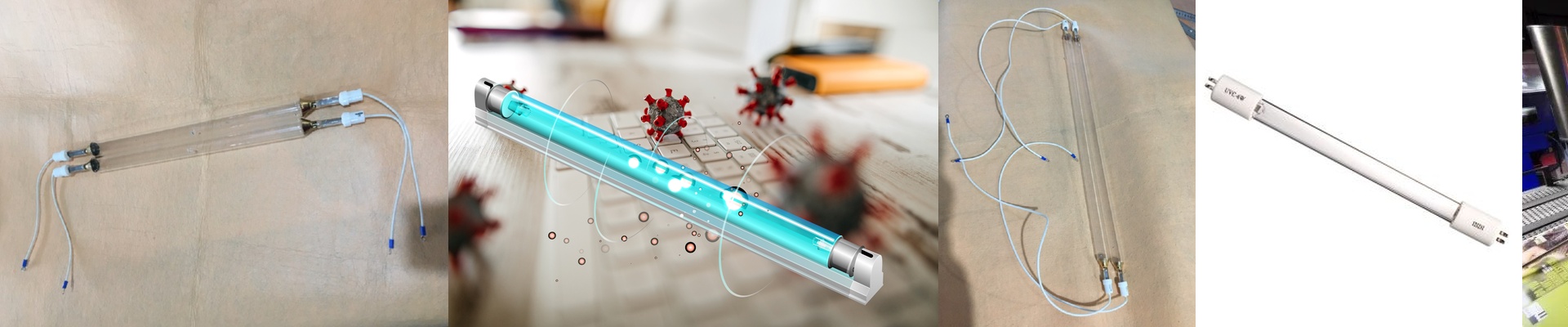
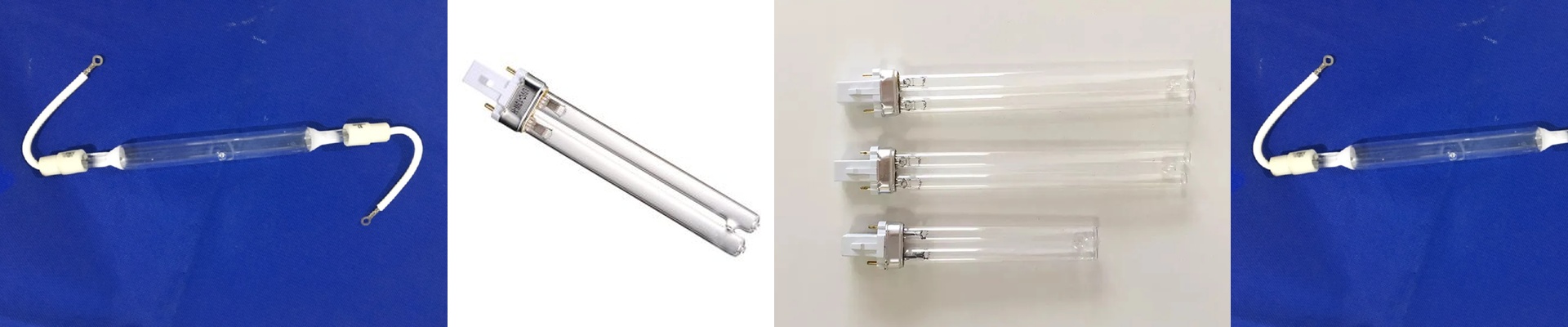
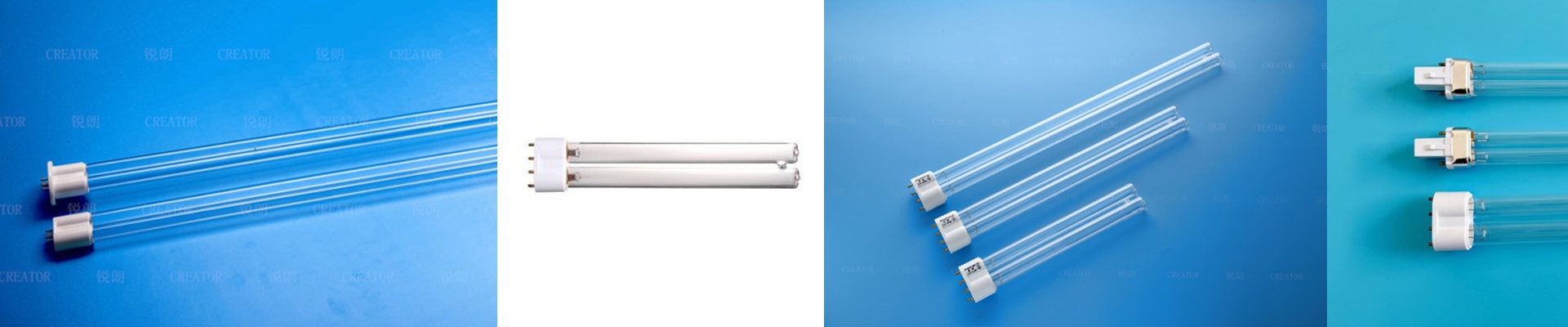
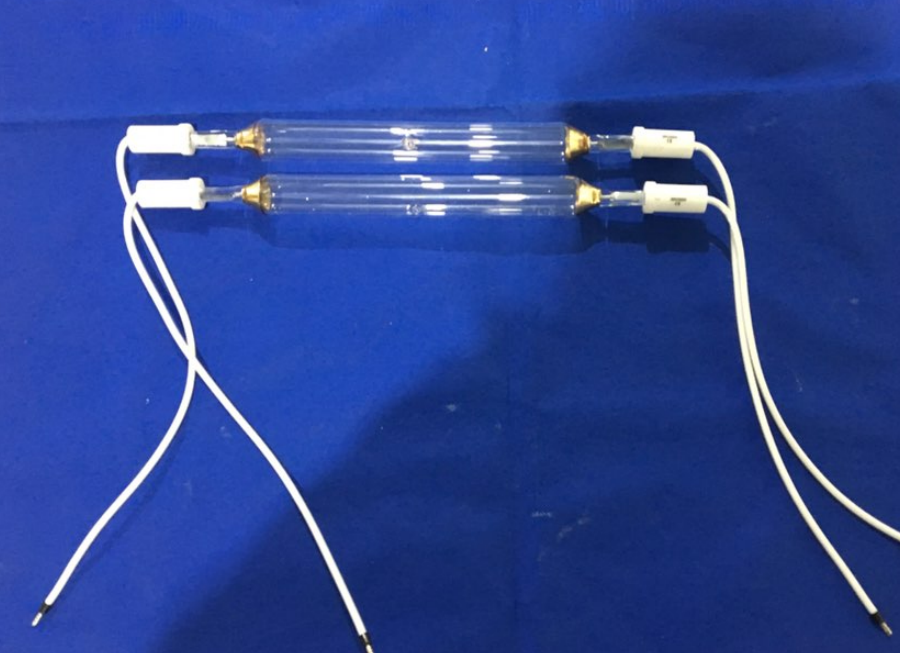
Let’s Talk About 80W/cm Mercury UV Lamps (And Why CE Actually Matters)
Let’s be honest: an 80W/cm mercury UV lamp is a beast. When you’re working with this kind of power density, you aren’t just plugging in a lightbulb. You’re dealing with massive heat and high voltage. If you’re adding these to a production line, you have to think about how they’ll play with your power grid and, more importantly, how they’ll affect the people operating the machines.
The Heat Factor
Here is the thing about the physics: 80W/cm is a lot of energy. If you have a 100cm lamp, you’re pushing 8,000 watts through a thin quartz envelope. That getshot. Really hot. If the build quality is off by even a tiny bit, that quartz can stress out or the electrodes can just burn out. We build ours to handle that thermal expansion so they don’t crack under pressure. But you still need a solid cooling system to move that heat away. If you don’t, your lamp life is going to tank.
Why “CE” Isn’t Just Paperwork
A lot of people see CE certification as just another bureaucratic hoop to jump through. I get it. But in the UV world, it’s actually about keeping your head from aching. Mercury lamps use ballasts that create a ton of electrical noise. If your gear isn’t CE-certified, that noise can bleed right into your PLC or sensor lines. Suddenly, your machine is tripping for no reason and you’re spending your afternoon hunting for a ghost in the wiring. The certification just proves the insulation can handle the voltage without leaking and that it won’t mess with your other electronics.
The Real-World Risk
Now, sure, you can’t legally ship these into the EU or other big markets without that CE stamp. That’s the business side of it. But there’s a bigger point here:risk. Using non-certified UV gear in a factory is a gamble. One electrical short or a quartz tube shattering because of a cheap manufacturing process can kill an entire shift. It’s a nightmare. We stick to CE standards so that when you swap a lamp, it’s just a simple drop-in replacement. No blown fuses, no failed safety audits, and no midnight emergency calls. Just gear that works.