Dealing with Signal Interference When You’re Running Multiple UV Presses
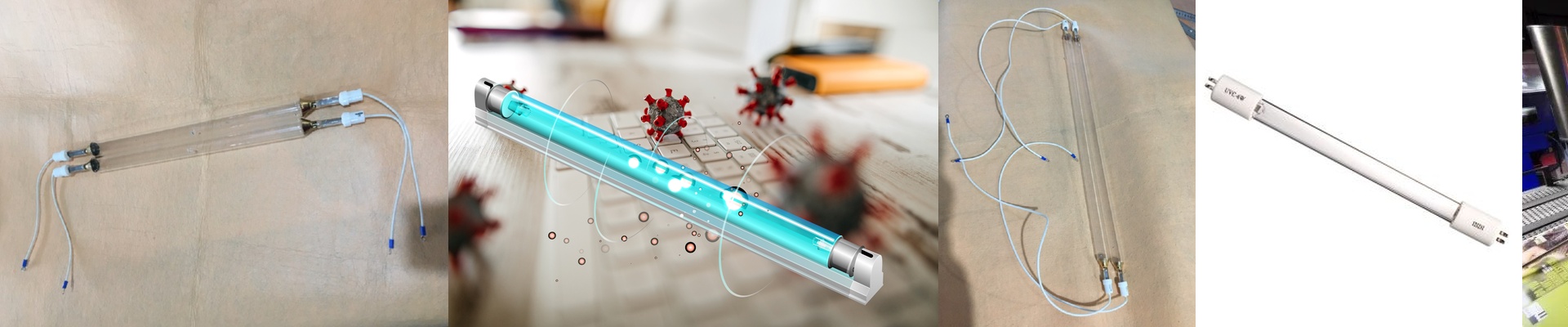
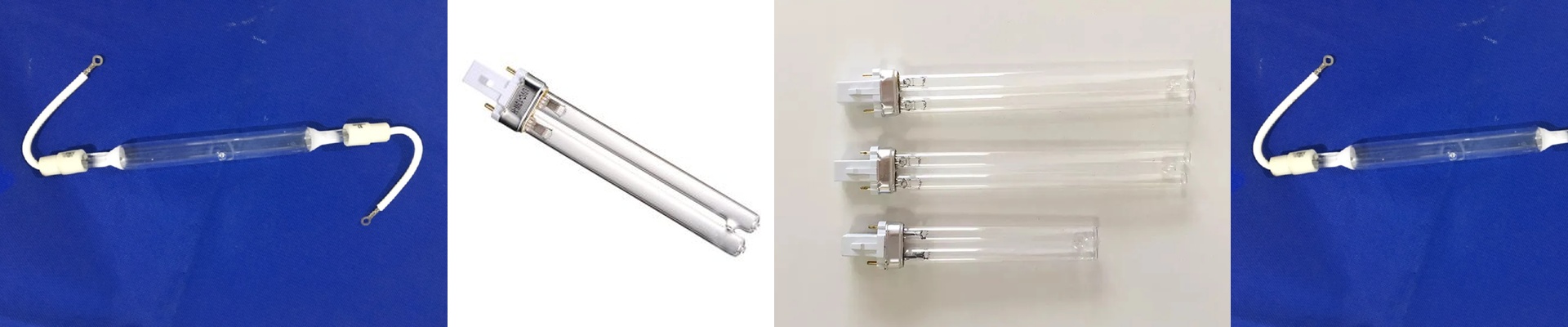
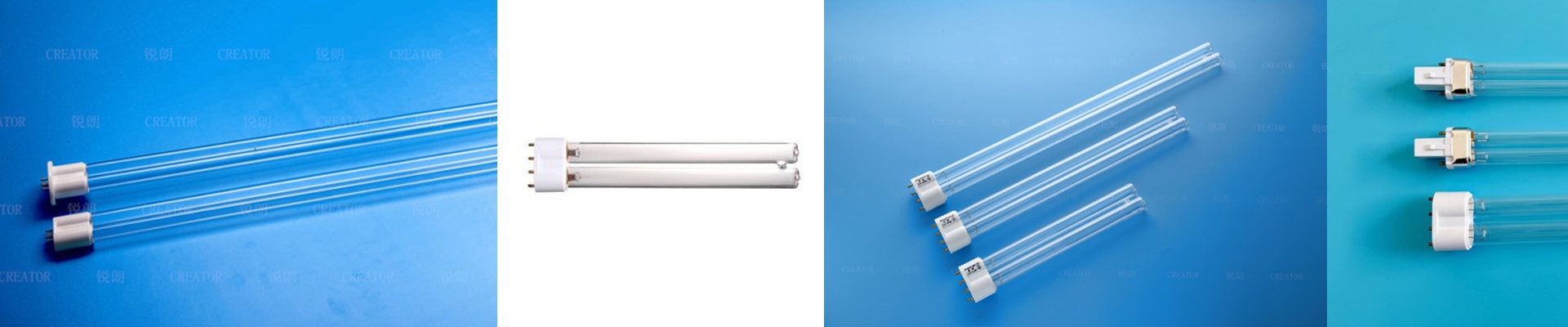
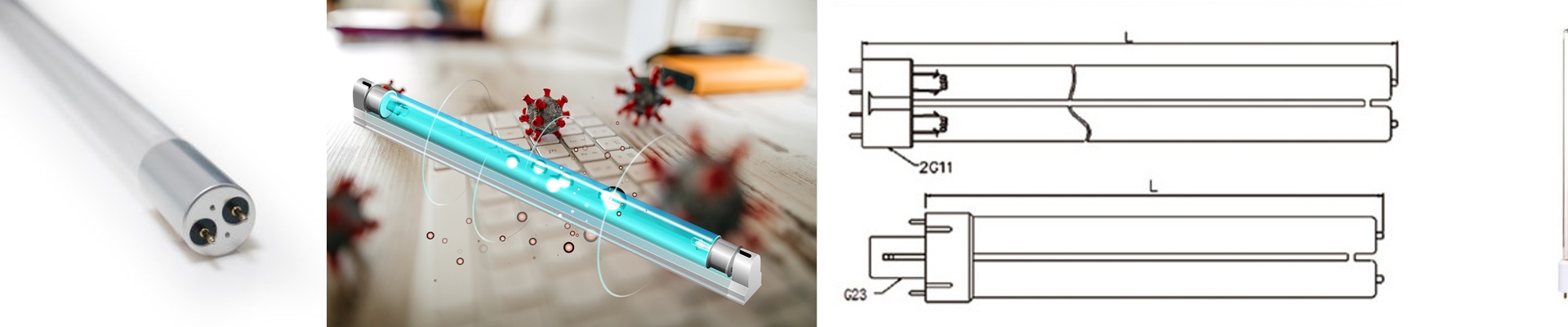
If you’ve ever run a shop with several large printing presses, you know the headache. Standard mercury UV bulbs need a massive jolt of high voltage to get that short-wave radiation going so the ink actually cures. The problem? All that power creates a ton of electrical noise. In a busy facility, this “noise” turns into electromagnetic interference (EMI). It’s a nightmare. It messes with your control systems, triggers “ghost” errors, and makes your curing cycles act erratic. It’s frustrating, and it slows everything down. How we handle the noise We designed our bulbs to keep a steady arc, even when the electrical environment around them is a mess. Usually, that instability comes from a shaky ballast or cheap shielding in the lamp housing. We took a different approach. We tweaked the electrode geometry and the gas mix to keep the plasma discharge stable. It stops that annoying “flicker” you see in cheaper tubes the second another heavy piece of machinery kicks on the same grid. It just stays on. Making it work in high-volume shops When you’ve got five or six presses humming at once, the cumulative interference is a beast. To fight this, we focused on the relationship between the bulb and the transformer. We tightened the tolerances on the quartz envelope thickness and where the electrodes sit. Why does that matter? Because it stops the arc from jumping or flickering. You get a consistent UV output, no matter how many other machines are pulling power. Your cure rate stays steady across the entire web, which means fewer mistakes and less wasted material. A quick heads-up on the setup Now, this kind of stability isn’t magic—it requires the right environment. These bulbs need precise voltage regulation to really shine. If your power supply is ancient or doesn’t have decent filtering, you might not feel the full benefit. And please, check your grounding. If you have a floating ground, it’ll kill the anti-interference design and could burn out your electrodes way too early. Get the grounding right, and these bulbs will do the heavy lifting for you.