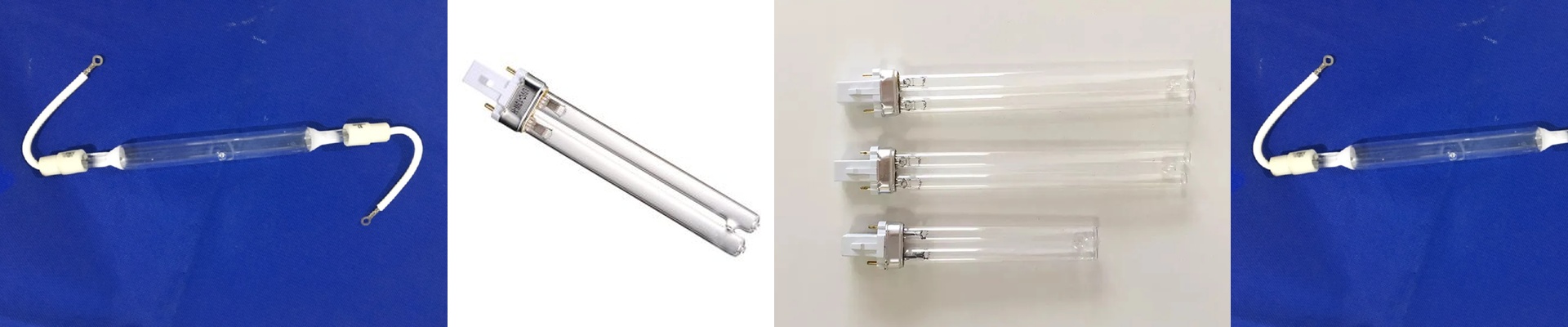
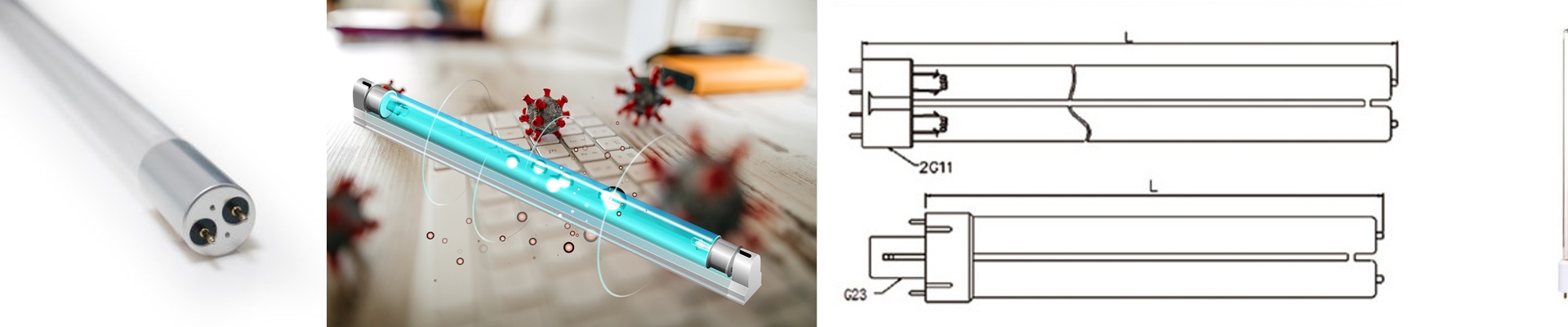
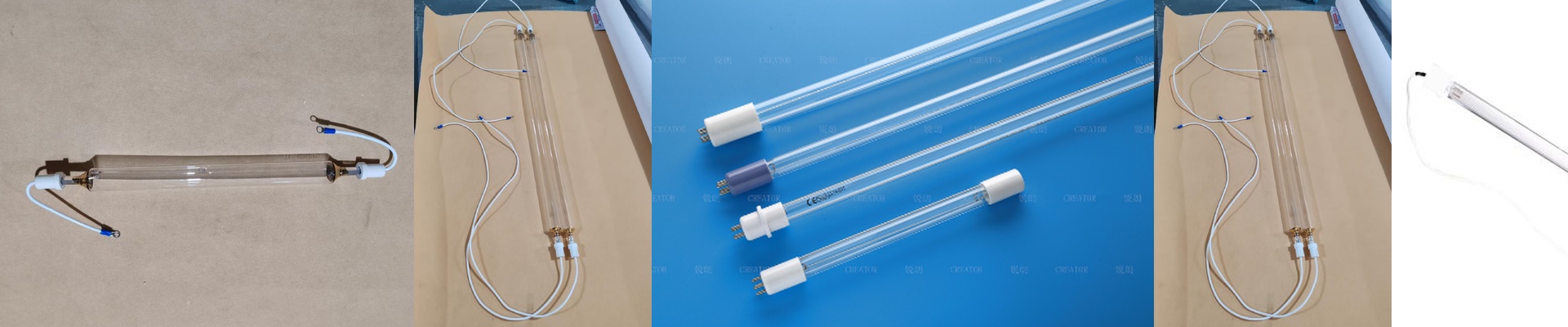
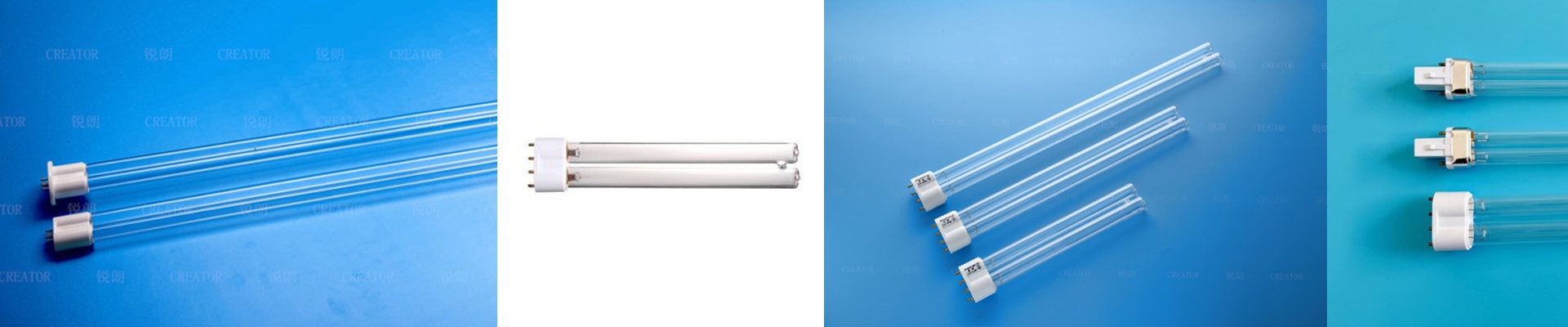
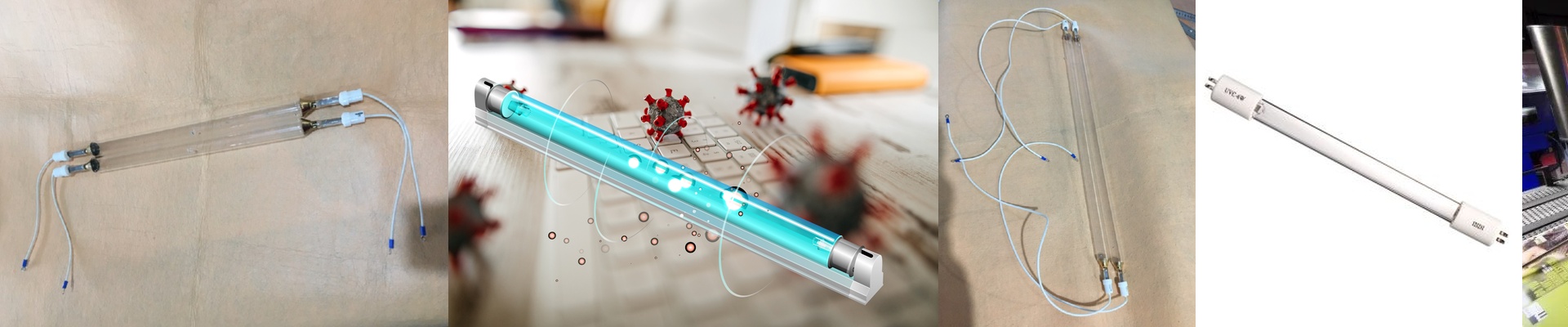
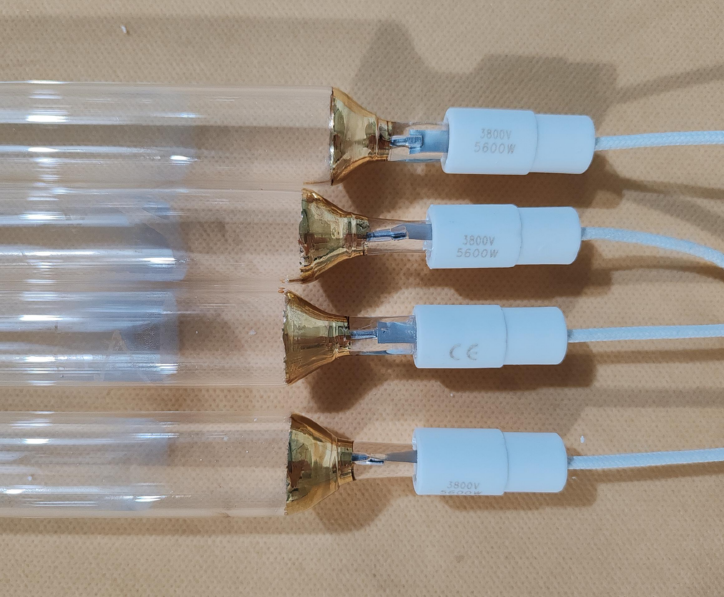
On the press floor, a UV lamp that looks bright can still miss the mark if its spectral output and energy density are off. For high-intensity UV spot curing, the quickest gut check—no instruments needed—is the lamp’s visible color temperature. A cool, bluish-white tells you the mercury vapor pressure is high and the fill is stable, the signature of a well-controlled high-pressure mercury lamp. A warm, yellowish tint, on the other hand, usually points to fill contamination, an inert gas mismatch, or quartz degradation—any of which shifts output away from the UVA bands you need for cross-linking. What actually matters UV spot curing comes down to three measurable items: peak irradiance (mW/cm²), spectral distribution (365nm, 385nm, 405nm), and delivered energy density (mJ/cm²). Mercury vapor lamps deliver high irradiance with strong 365nm lines, which is ideal for thick ink films and pigmented layers where the photoinitiator absorbs near that peak. LED-based spots give you narrowband 385nm or 405nm for thin films and temperature-sensitive substrates, but you have to size power and optics so the photoinitiator gets enough photons—don’t get dazzled by headline wattage. Reflector dichroic coatings and focal distance decide how much of that output actually hits the substrate. In offset, you need deep through-cure without surface inhibition, so a mercury lamp with strong 365nm and a high-reflectivity elliptical reflector is the practical call. In flexo, you’re often curing thin layers at high speed; narrowband 385nm or 405nm LED spots can cut down on heat and run cooler, which protects thin films. In screen, thick deposits demand high peak irradiance to prevent migration and keep edge definition—again, mercury systems with precise spot optics deliver the punch you need. Match wavelength and irradiance to the ink’s photoinitiator window, and you shorten cure time, draw less energy, and stretch lamp life. Mercury lamps give you high irradiance, but they throw off serious heat. Airflow and thermal isolation are non-negotiable, and if the lamp isn’t ozone-free, you need to verify ozone handling. LED spots run cooler and switch on instantly, but they demand tight thermal management and careful optics alignment to hit the required energy density. Before you commit, confirm your press interface—mounting, power connector, and available duty cycle—then measure with a spectral radiometer. Aim for the required mJ/cm² at the substrate plane, not at the lamp window.