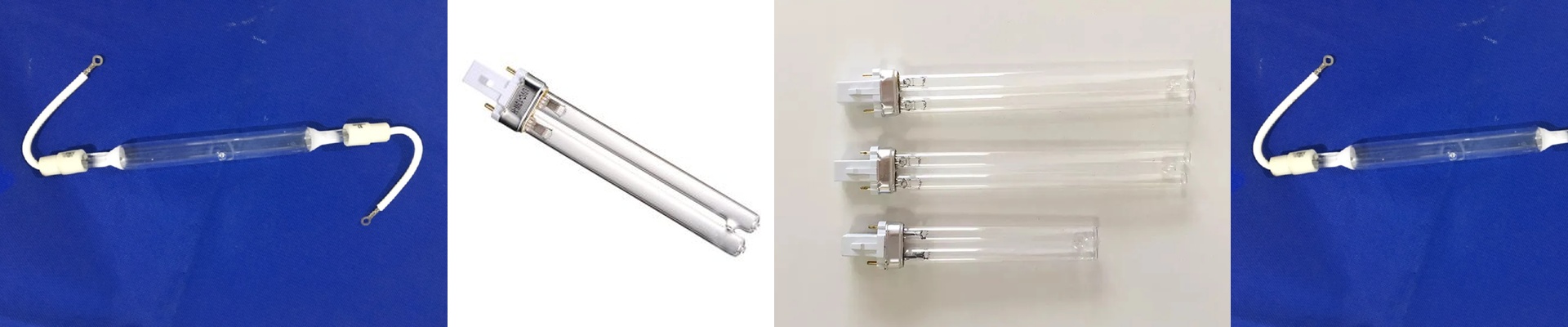
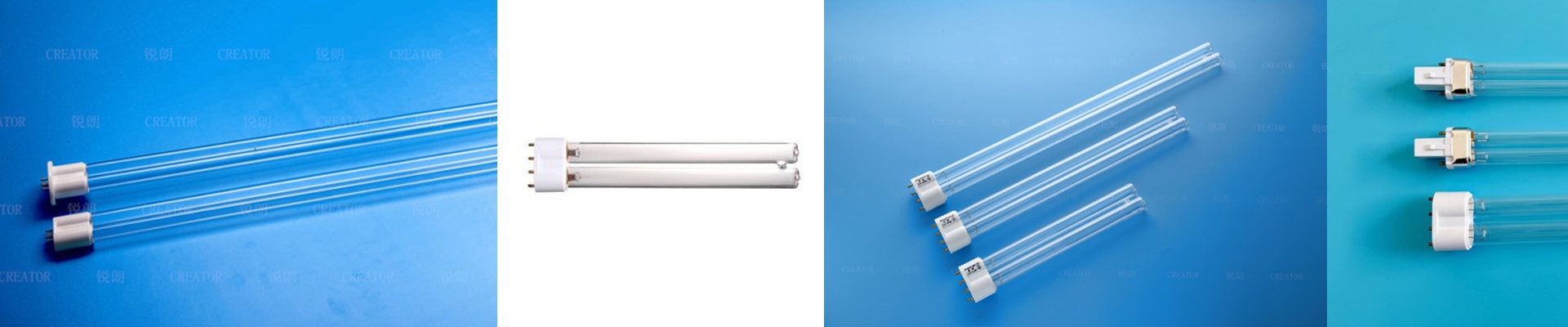
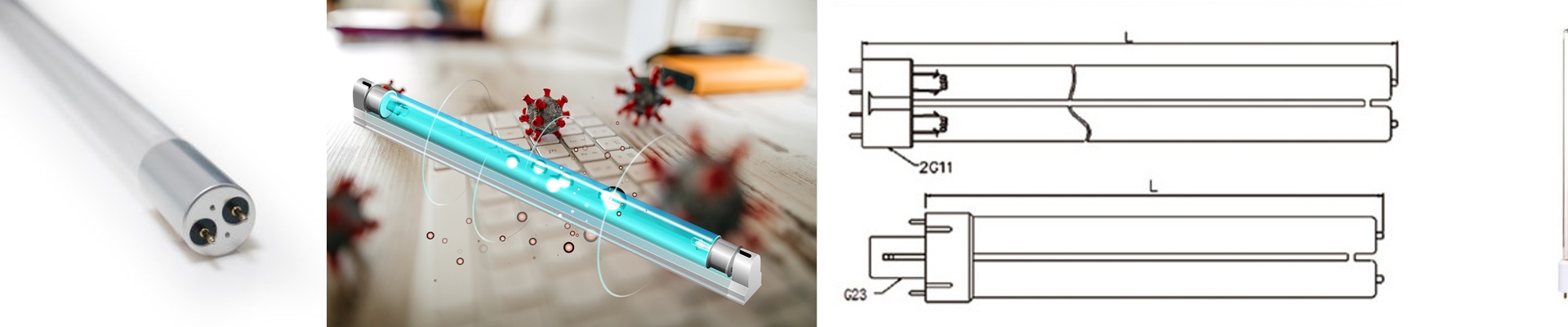
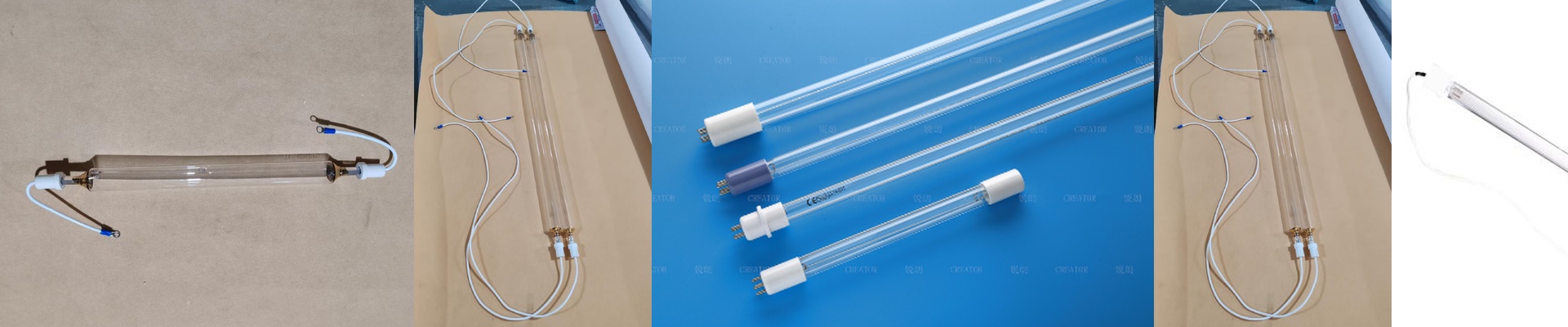
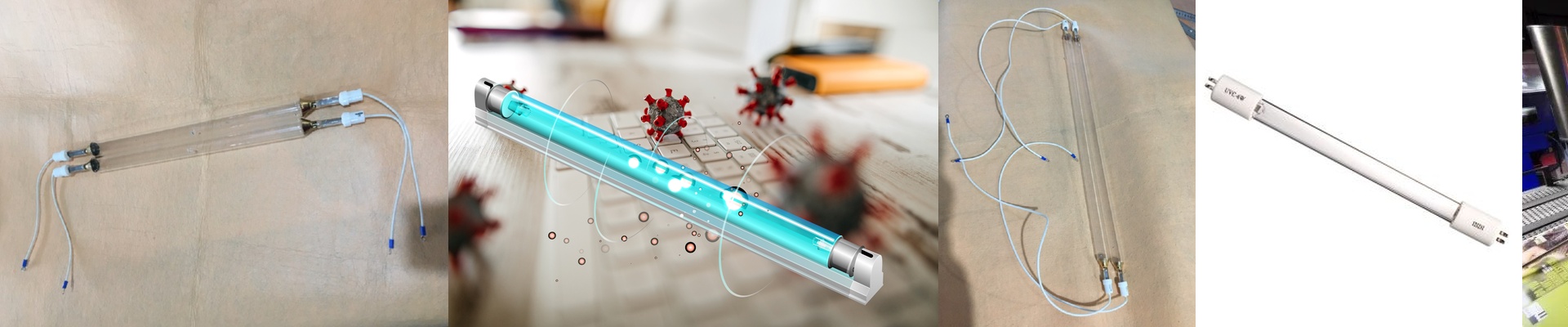
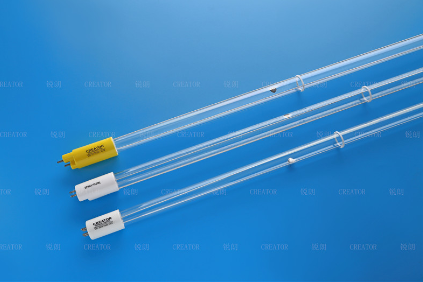
On the press floor, energy costs never stop nibbling at the margins. Every watt the UV curing unit pulls is money out the door. The question isn’t whether to cut energy use anymore—it’s how to do it without giving up cure speed or print quality. The practical answer is a purpose-built replacement UV lamp for Primarc systems, engineered around spectral efficiency and low power draw. What matters under the hood These lamps give you a tight spectral output, tuned for the 365nm and 385nm bands that actually kick off photoinitiator activation in UV offset, flexo, and screen inks. That focus boosts photon efficiency—more curing energy per watt. They run at a stable, specified power density, so peak irradiance stays consistent across the curing window. The reflector uses a dichroic coating to drive UV forward and push waste heat out of the beam. Substrate stays cooler, and the lamp head stays manageable. The payoff is higher energy density (mJ/cm²) delivered with less electrical input. Why it plays in a real print shop On a high-speed press, that translates straight into fewer kWh without slowing throughput. We’ve measured up to a 20% reduction in electricity bills on typical Primarc-equipped lines, with line speed and ink adhesion holding steady. The lamps hold output over their life, so you don’t get the power creep that forces longer exposure or a slower press run. You keep the same cure window—you just stop wasting watts to get there. What you need to get right Installation is straightforward, but alignment is where people get tripped. The lamp has to sit precisely in the reflector groove, and the reflector has to go back to the original focal distance. Even a millimeter off can skew spectral distribution and drop effective irradiance. Match the Primarc model and connector before ordering, and make sure the lamp is ozone-free for your ventilation setup. For clean results, run it with a clean reflector and a properly calibrated power supply.