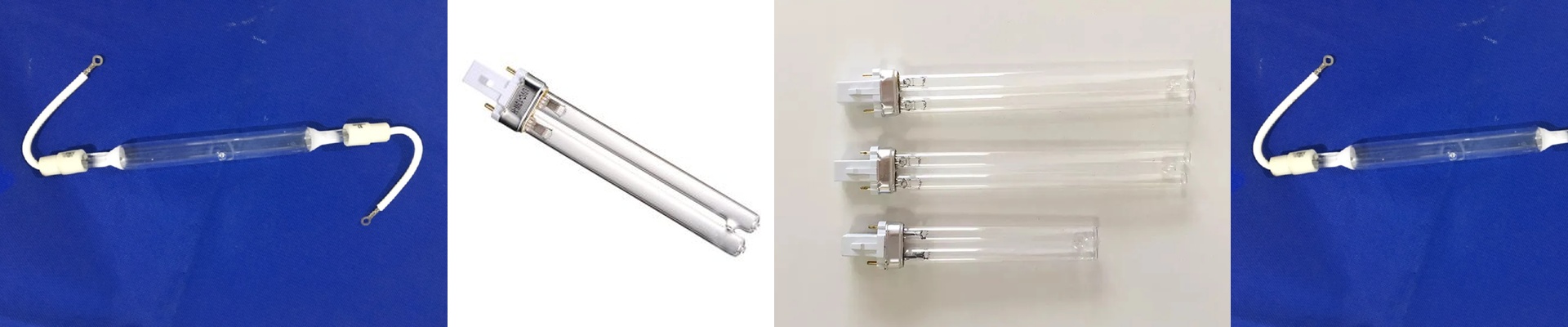
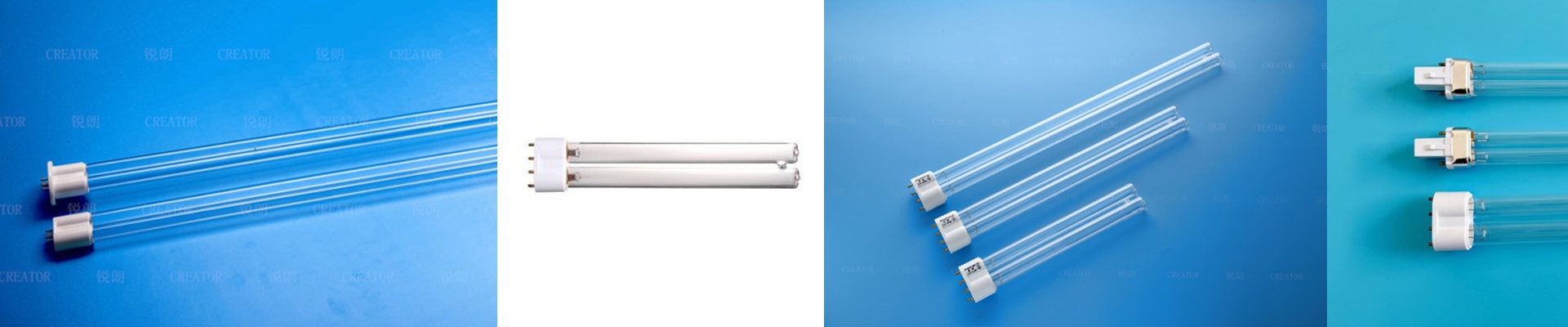
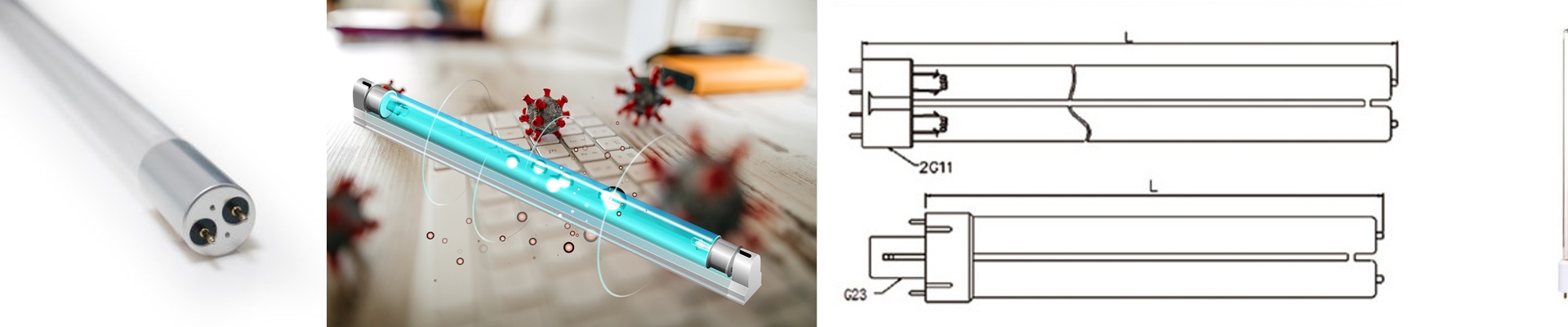
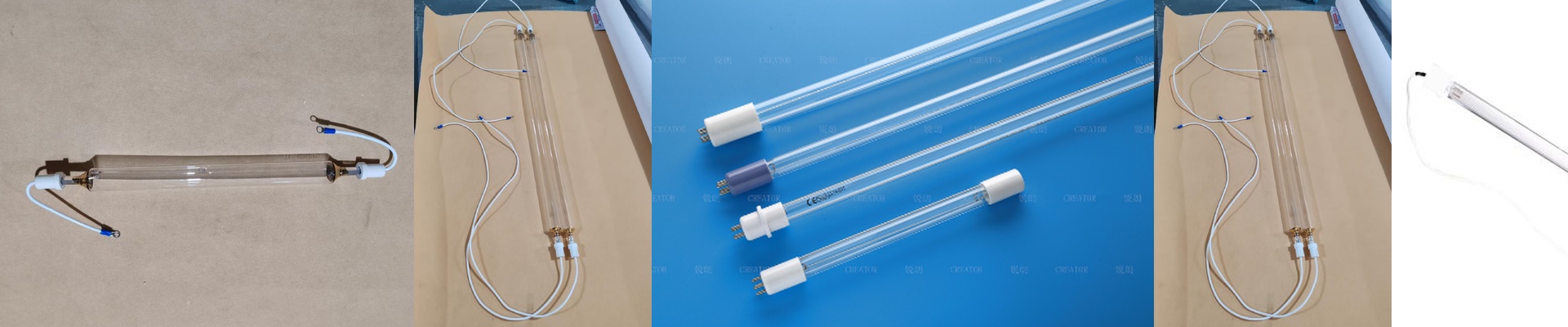
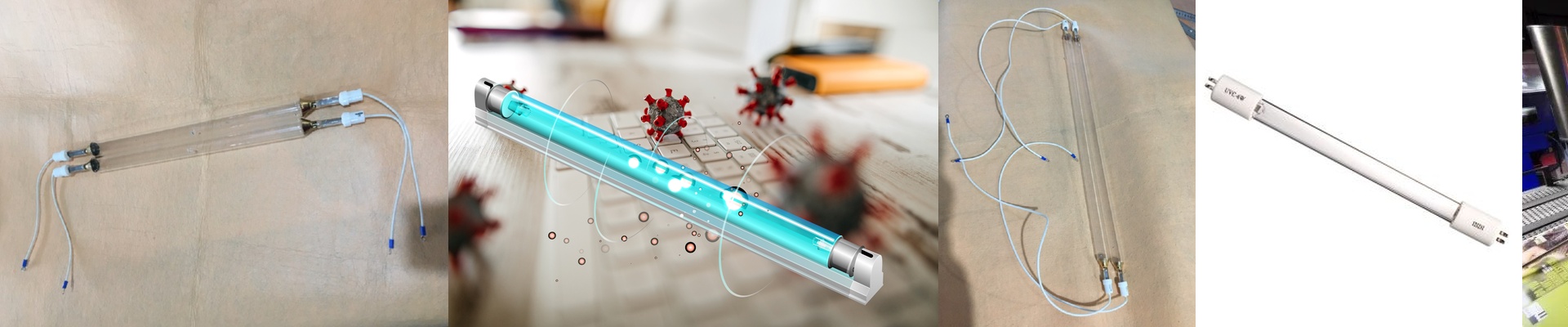
On the press floor, counterfeit replication doesn’t fail by luck—it fails by physics. When anti-counterfeiting inks are built around photoinitiators that only respond to a tight spectral band, a mismatched UV source smears the security mark and burns through material for nothing. We built the iron gallium UV lamp to close that gap. What actually matters under the hood This lamp is about spectral purity and a stable output profile that hits the photoinitiator absorption peak. It’s not a brute-force broad-spectrum approach. You’re controlling spectral distribution so the energy lands where it drives cross-linking, and stays off where it would cause background cure or extra heat. The payoff is a repeatable cure with clean contrast and consistent optical density. Why it holds up in production Anti-counterfeiting printing can’t tolerate mushy edges—every feature has to be crisp and repeatable. With this lamp, you get clean cross-linking of specialty inks without over-curing the adjacent layers, so micro-text, latent images, and color-shift elements stay sharp. The stable arc and the reflector geometry are tuned to keep peak irradiance across the full print width, which improves line-edge acuity and cuts down dot gain. In practice, that means fewer rejects, lower energy draw per job, and lamp-to-lamp consistency you can count on. The shop-floor details you can’t skip Matching the lamp to the system is half the battle. Confirm the reflector dichroic coatings, quartz transmittance, and shutter duty cycle against your press speed. Iron gallium lamps run hotter than standard mercury vapor lamps, so make sure you have adequate airflow and thermal interlocks in place. For the best spectral stability, run within the specified power density and let the lamp warm up to operating temperature before you start the critical work.