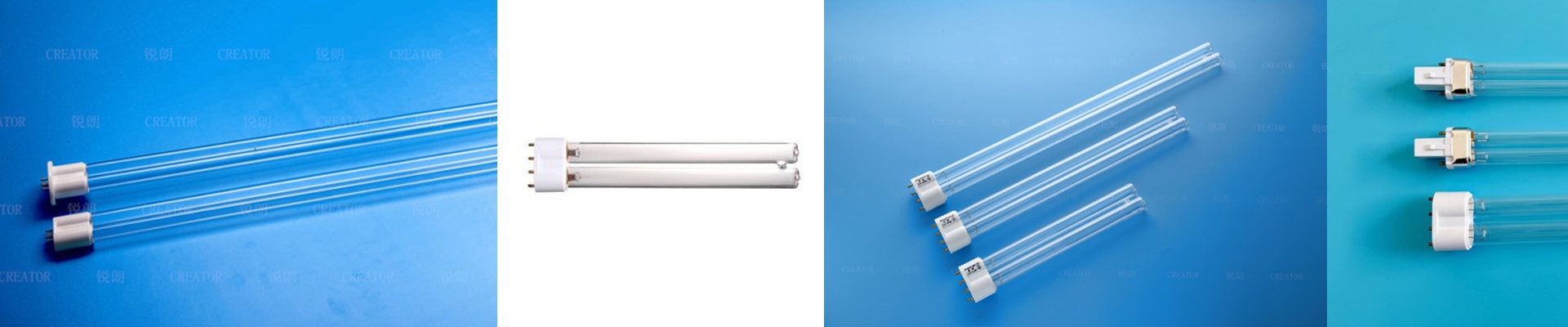
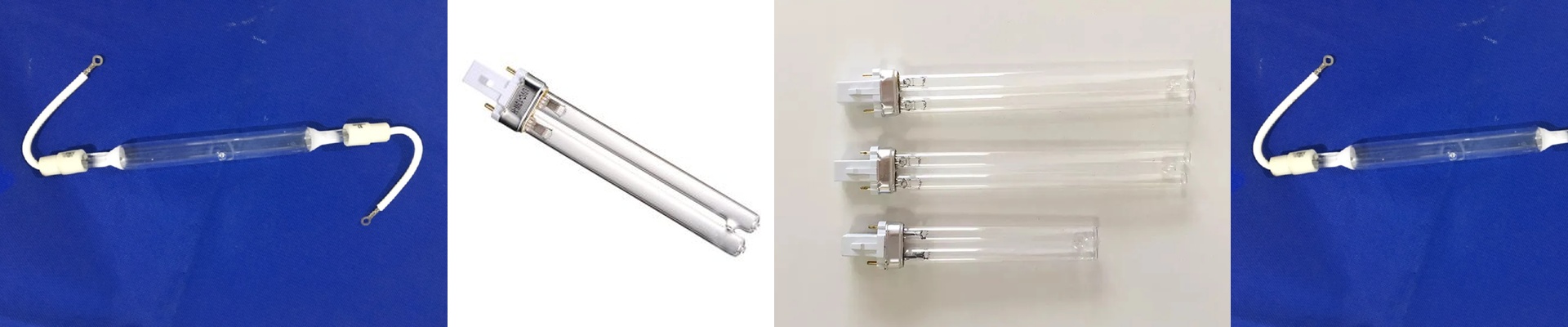
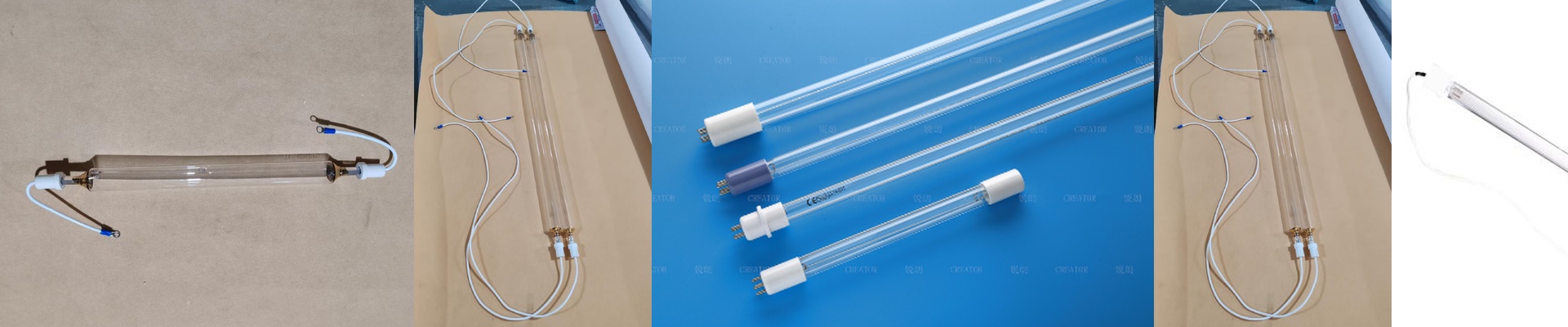
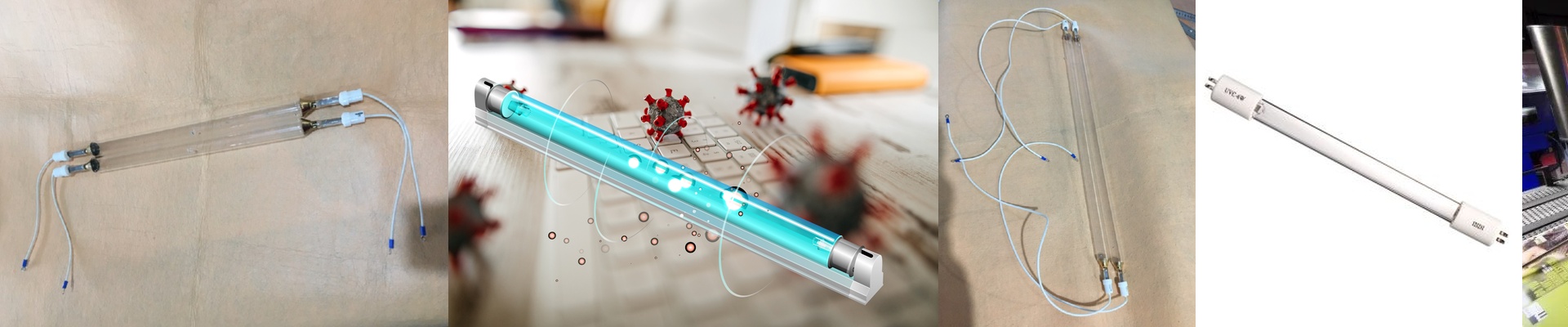
On the medical device disinfection line, variability isn’t an option. One dip in UVC intensity, a wavelength drift, and you’re gambling with incomplete microbial inactivation. We built our CE-certified metal halide lamps to take that guesswork out of the equation. They deliver repeatable, consistent performance where medical-grade standards are non-negotiable. What matters under the hood Metal halide chemistry gives you a narrow, stable emission profile right in the germicidal band—high spectral purity, minimal out-of-band radiation. Peak irradiance stays flat across the lamp life, so the dose required for reliable kill curves doesn’t drift. We control the dopant blend and arc gap geometry to keep output inside tight tolerances, which means the energy density hitting the work is predictable, run after run. You get long life with low attenuation—these units routinely run 5,000+ hours with less than 5% output drop. The reflector uses dichroic coatings to maximize UVC reflectance and reject IR, so the substrate stays cooler and the lamp runs cooler, too. Why this works in medical disinfection It’s all about repeatable dose. Our lamps hold spectral consistency, so the lamp-to-dose relationship stays the same across shifts and across multiple fixtures. That translates into stable kill rates, fewer rejects, and cycle times you can bank on. Energy use is tight because the system delivers more useful UVC per watt, and maintenance drops because end-of-life is gradual and measurable, not sudden. The practical details you can’t skip Metal halide lamps need matched drivers and controlled ignition profiles. Make sure your ballasts are compatible and your fixture thermal management is dialed in before you integrate. Output is sensitive to ambient temperature and airflow—stay within the rated operating window. And keep the reflector on a regular inspection and cleaning schedule. Dust and film will rob intensity faster than the lamp aging itself.