Beyond the Bulb: Why We Send Our Engineers Straight to You
Here’s the thing: we don’t just sell you a UV lamp and call it a day. That’s not how we roll. What we do is build a real solution, one that actually works for your space. So when you reach out, the first thing we don’t do is rattle off part numbers. Instead, we send our engineers right to your facility. It’s not a sales tactic. It’s just the right way to get the job done. We need to see your HVAC system with our own eyes to make sure it gets the exact dose of UV-C energy it needs, right where it matters most.
The Nitty-Gritty: Power, Voltage, and Fit
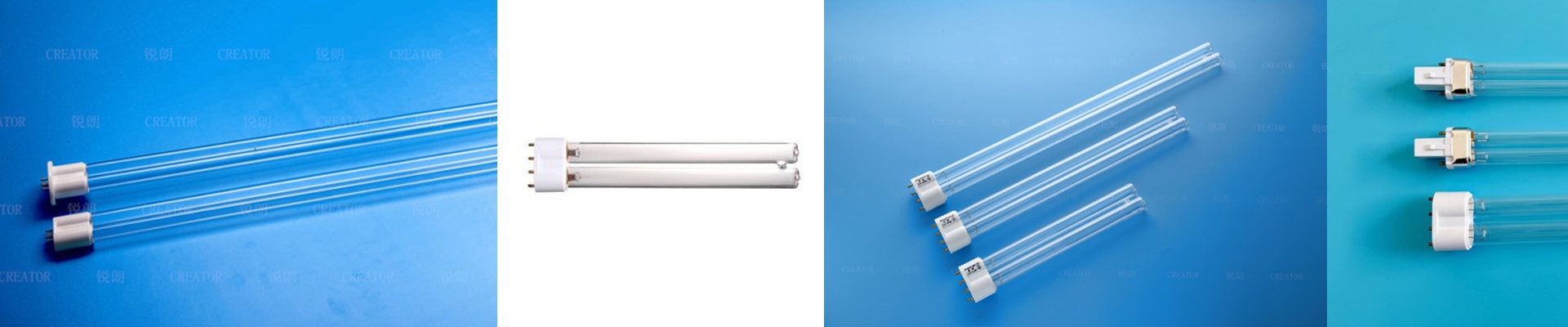
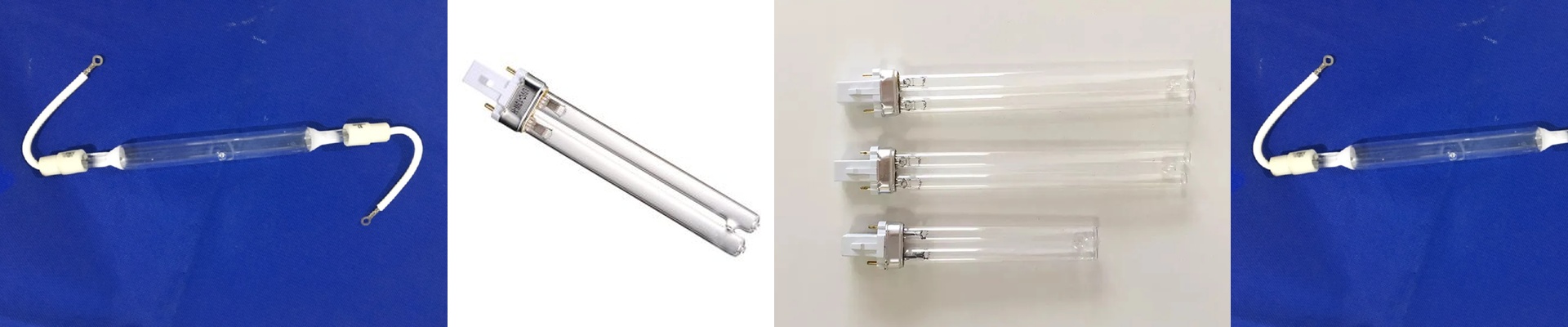
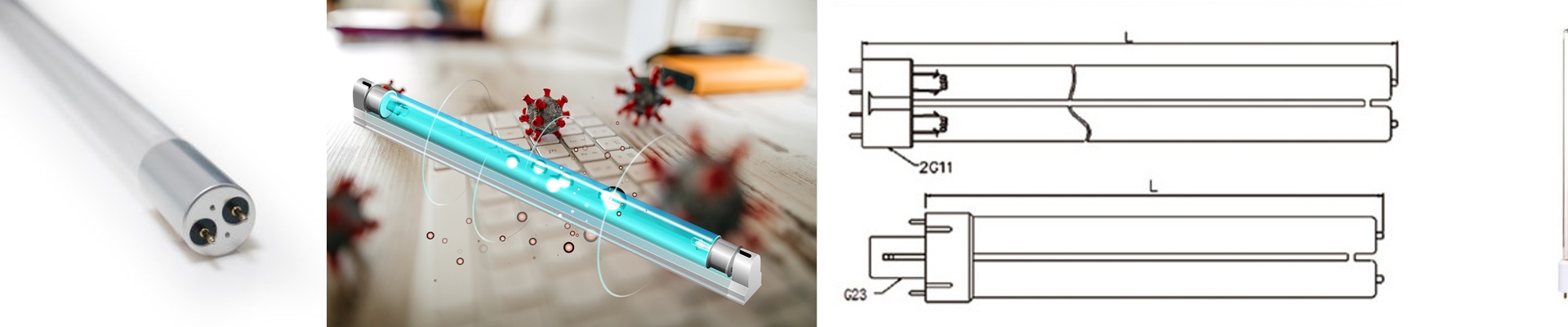
At the heart of any effective HVAC UV system is making sure the lamp and the air handler are a perfect match. We’re talking about nailing the specific voltage and wattage needed to get that UV-C intensity just right. Get that power profile wrong, and the lamp either chokes or burns out way too soon. And the physical fit? Just as critical. If the lamp is even a little too long or too short, it won’t line up with the mounting hardware. That leaves gaps where microbes can just hang out, completely untouched.
What’s Inside Matters: The Build of Our Lamps
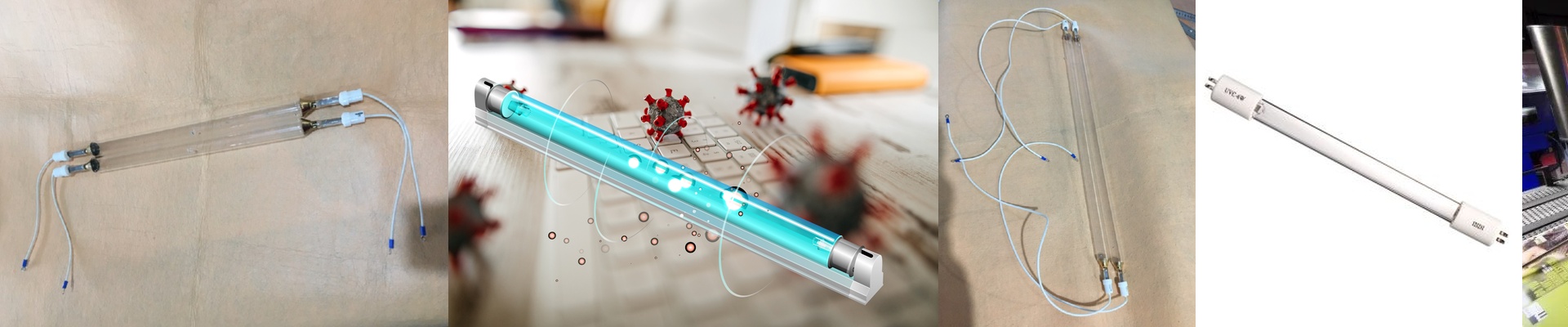
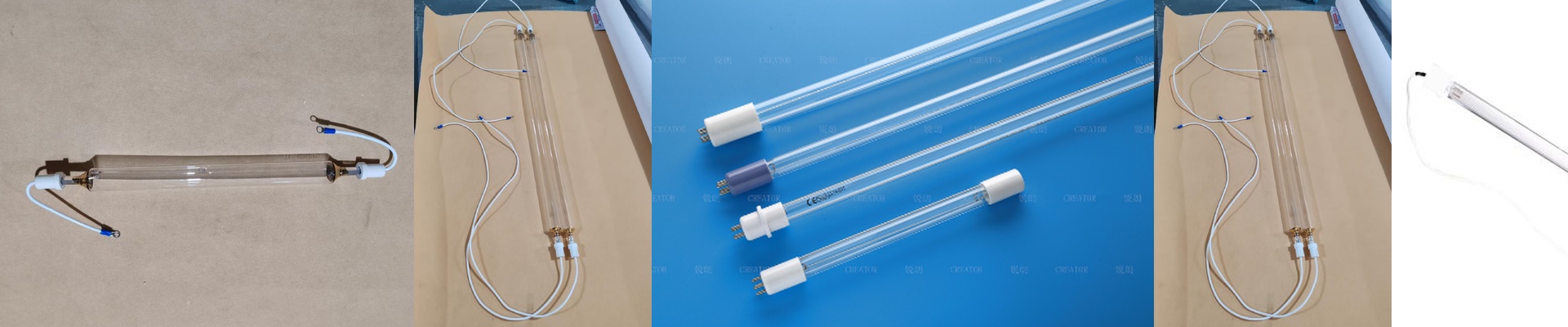
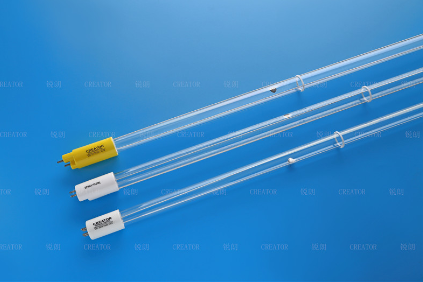
UV-C is serious business, and the materials have to be up to the task. Our lamps use high-purity quartz glass, specifically made to transmit that powerful 254nm wavelength without breaking down. Inside, an amalgam coating is applied with precision to keep the temperature stable, so the output stays consistent, even after thousands of hours of use. Then there are the connectors—we use industrial-grade ones like R7s or similar bi-pin designs. They’re built to handle the high-voltage load and make for a quick, tool-free replacement. Less downtime. More uptime.
The Real Payoff: Why That On-Site Visit is Worth It
Let’s be honest: installing a UV lamp isn’t a plug-and-play deal. Things like air speed, the coil setup, and even the temperature inside the unit all change how it performs. That’s why our on-site diagnosis is so important. We map the airflow and pinpoint the best spots to mount the lamp, so the UV light hits the coils with maximum impact. This hands-on approach stops problems before they start, like shadowing, where dirty coils block the light. You put in a little more time upfront. But what you get is a system that actually does its job. Not just a lamp that flickers out and leaves you back where you started.