On a food line, a microbial slip isn’t a defect—it’s a recall. Standard surface disinfection can miss what hides in shadowed crevices, under conveyor belts, or inside folds of packaging. If you need a true 99.9% sterilization rate, you need energy that penetrates, not just a surface wipe.
What matters, technically
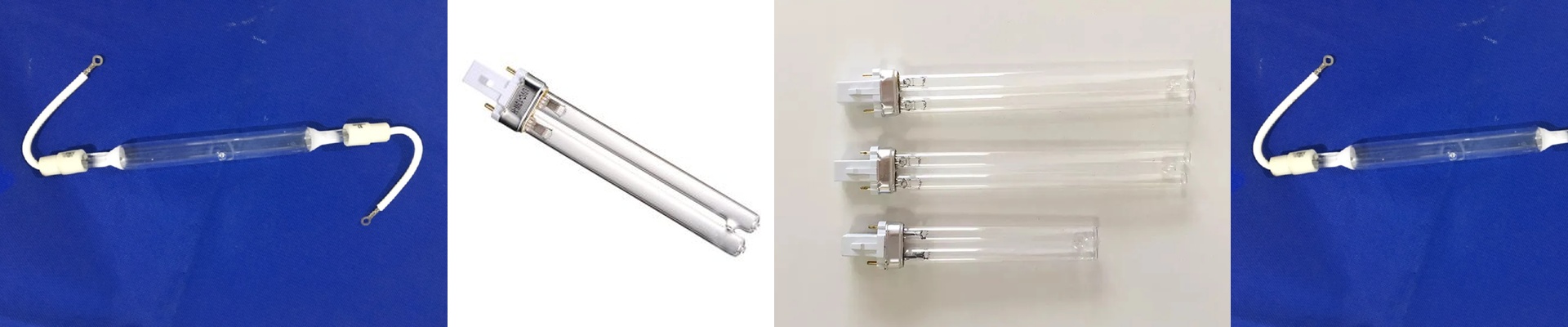
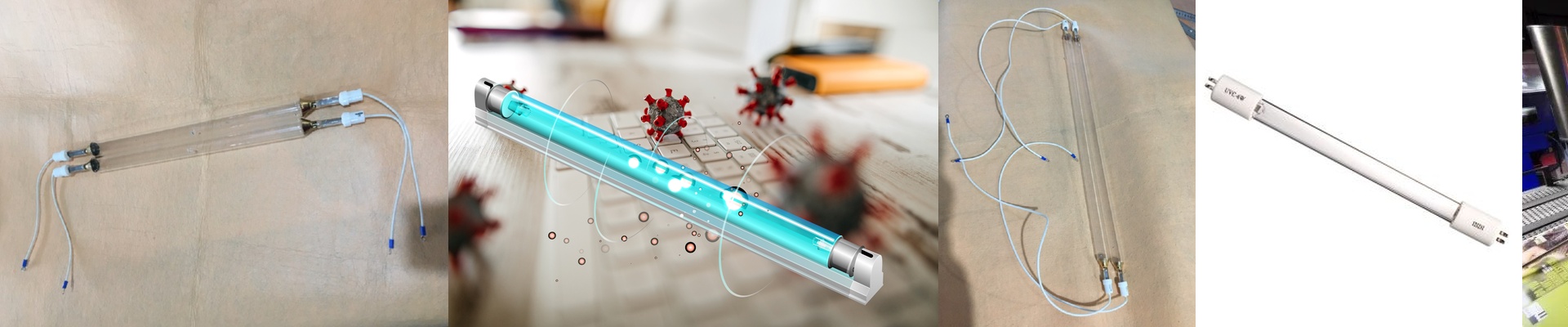
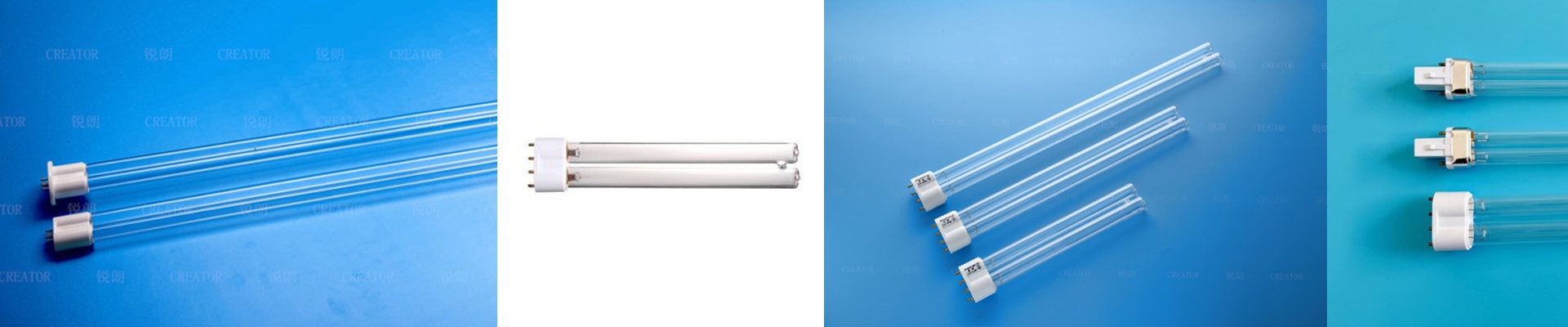
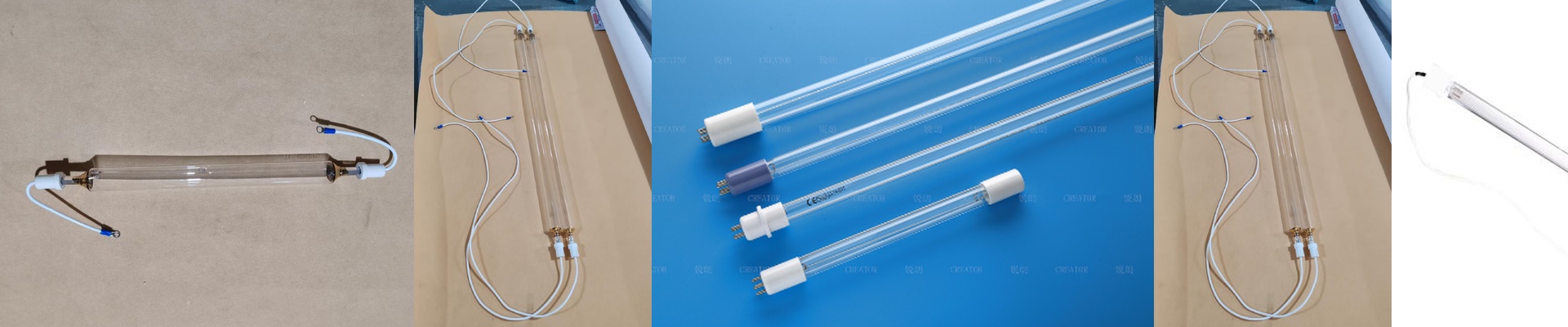
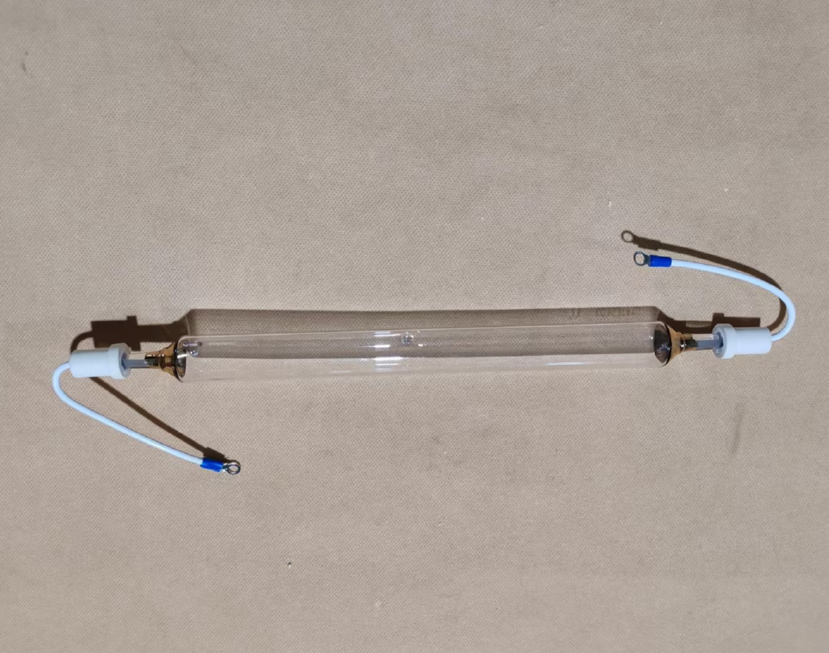
We spec high-intensity mercury UV tubes for peak output in the germicidal UVC band, centered on 254nm. That wavelength gets absorbed by microbial DNA and RNA, knocking out replication and leaving organisms inert. Effectiveness isn’t just about wattage; it’s about delivered dose (mJ/cm²). We set up lamps that hold a stable irradiance profile across the whole target, so the required dose lands consistently—even when the conveyor is running faster than typical limits. The quartz envelope is chosen for high UVC transmissivity, and the reflector assembly uses a dichroic coating to push energy forward and keep wasted heat down.
Why this fits the shop floor
In food processing, you’re trying to sterilize complex surfaces without killing throughput. High-intensity mercury lamps give you the penetration to reach shadows and irregularities, so the entire product path—packaging material and equipment surfaces alike—gets a lethal dose. That means you can run faster without the kill rate slipping, and you end up with a process that’s repeatable and verifiable against food safety protocols. It’s not just “effective”—it’s measurable.
The details that make it work
When you install a high-intensity mercury system, you pay attention to the realities. The lamps throw off serious heat, so airflow and thermal management have to be on point to protect components and keep spectral output stable. Handle lamps carefully—use clean gloves so you don’t leave oil on the quartz. Oil residue can create hot spots and shorten life. For full compatibility, confirm power supply and ignitor specs match what your equipment expects. Expect a performance curve: output stabilizes after the first 100 hours, then declines gradually.Base lamp replacement on hours and measured irradiance, not calendar time.