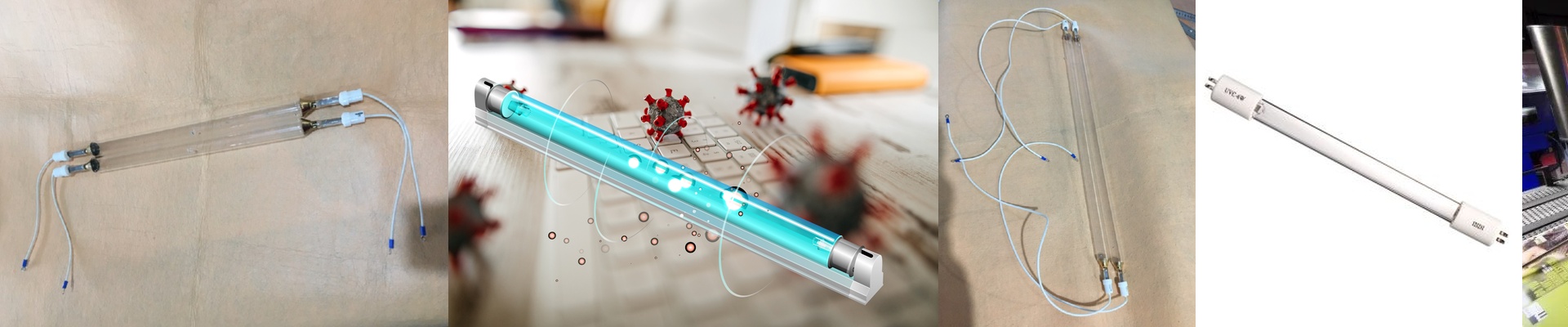
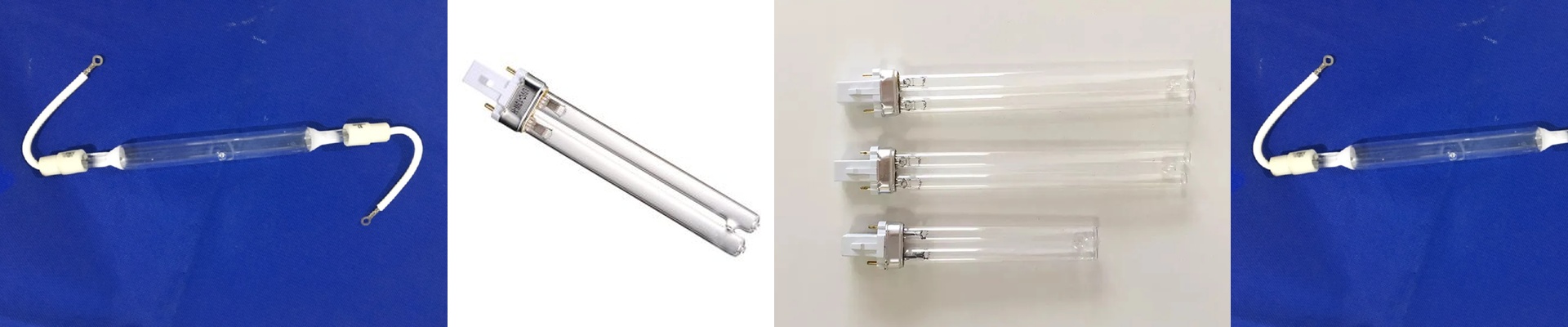
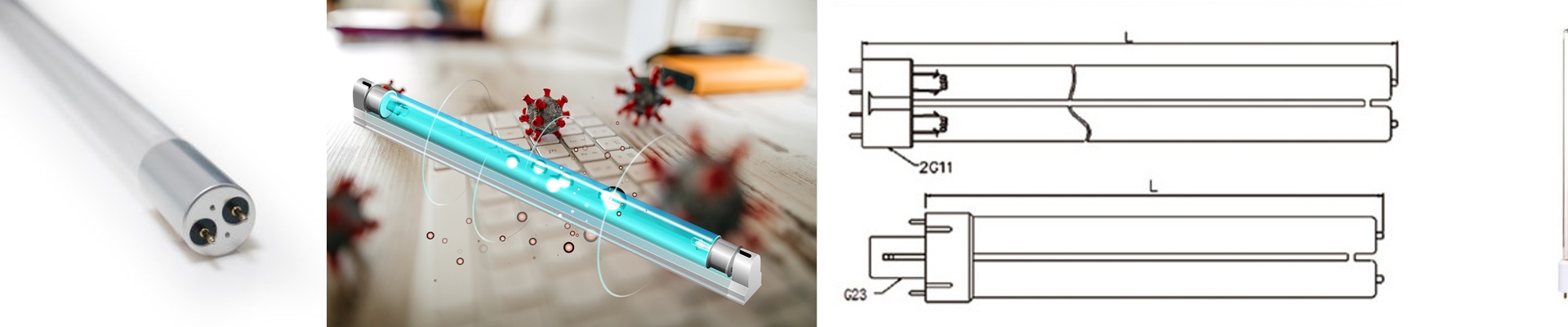
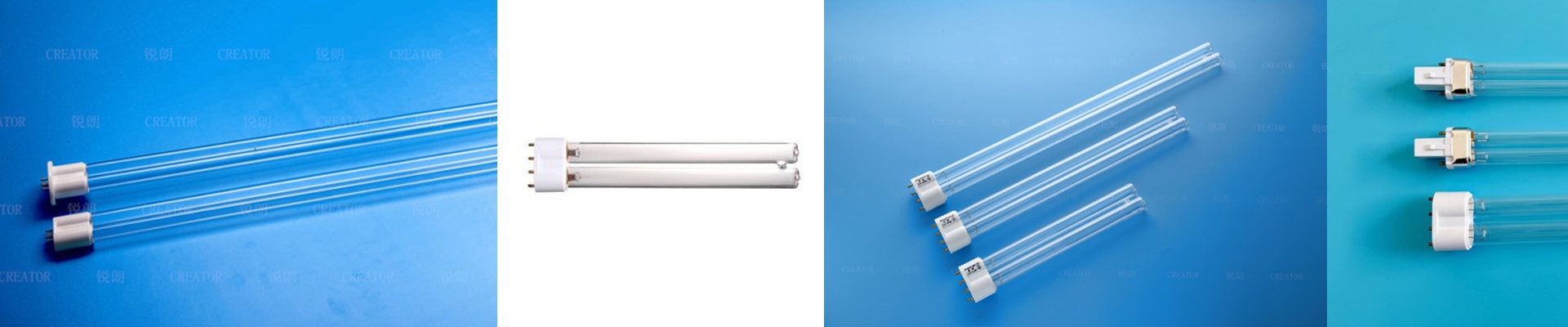
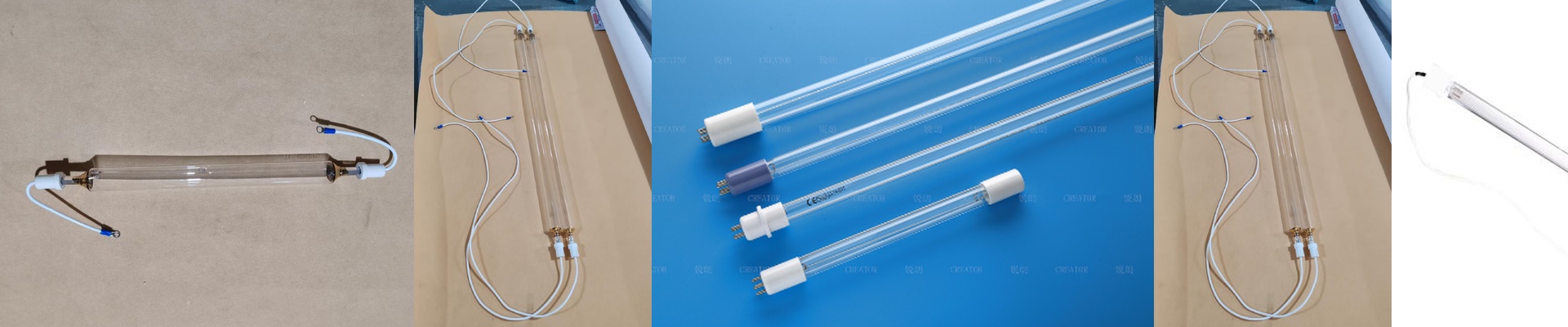
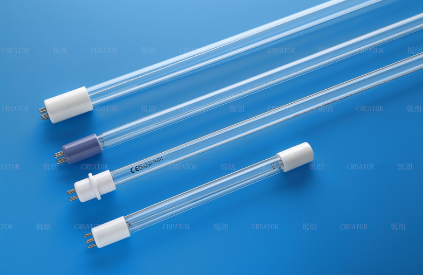
On the water treatment line, throughput comes down to how fast you can kill microbes—not how long water sits in a tank. When the line has to run continuous flow, you can’t lean on chemical delays or heat exchange cycles. The limiting factor is always the kill rate. So we built the Portable UVC Curing Light to put germicidal intensity right where it matters: straight into the flow path, on demand. What matters, technically This unit runs an ozone-free, high-intensity low-pressure mercury vapor lamp, tuned for 254 nm germicidal output. That wavelength hits the DNA/RNA absorption sweet spot, so you get maximum photon efficiency for inactivation. Peak irradiance at the window tops 120 mW/cm², measured with a calibrated spectral radiometer. Rated at 120 W, it delivers a UVC dose above 40 mJ/cm² in under a second at the designed flow gap. The quartz sleeve and reflector assembly keep spectral purity in line and hold lamp temperature steady, so intensity doesn’t collapse when you’re cycling the lamp on and off. Why it works in flowing water Disinfection happens in the exposure window, not in a tank. Get the hydraulics right—laminar flow and a fixed gap—and this portable lamp delivers seconds-scale inactivation by hitting the water with a lethal UVC dose before it leaves the reaction zone. You get predictable log reduction without chemical residuals, and you don’t throttle the line. Energy draw stays low compared to thermal systems, and lamp life is rated to 9,000 hours with controlled output decay. Here’s the thing: line-of-sight and water clarity are non-negotiable. Turbidity, iron, and hardness scatter and absorb UVC, and your effective dose falls off fast. The lamp head is compact, but alignment is critical—misalign by even a few degrees and peak irradiance drops sharply. Plan on routine cleaning of the quartz sleeve and periodic intensity checks. For the cleanest setup, pair it with a flow meter and dose control so intensity tracks with throughput as it changes.