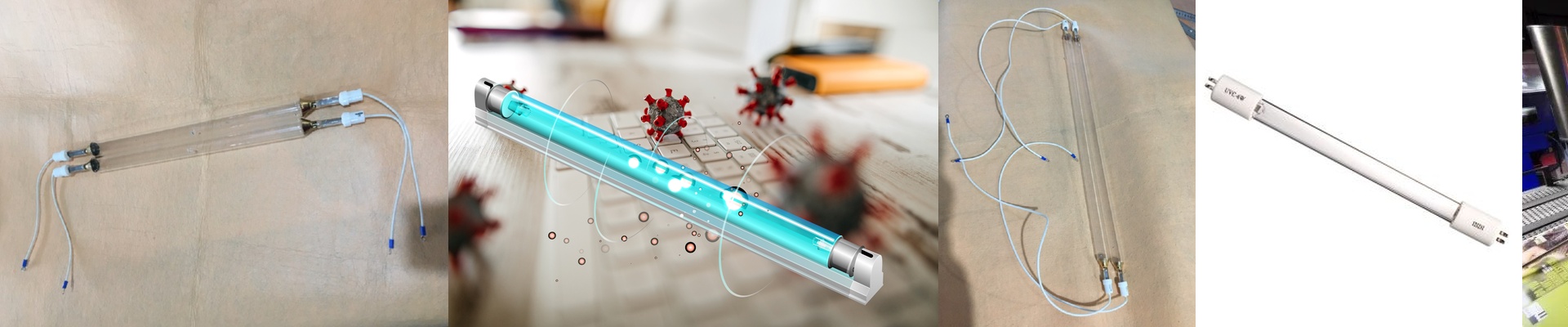
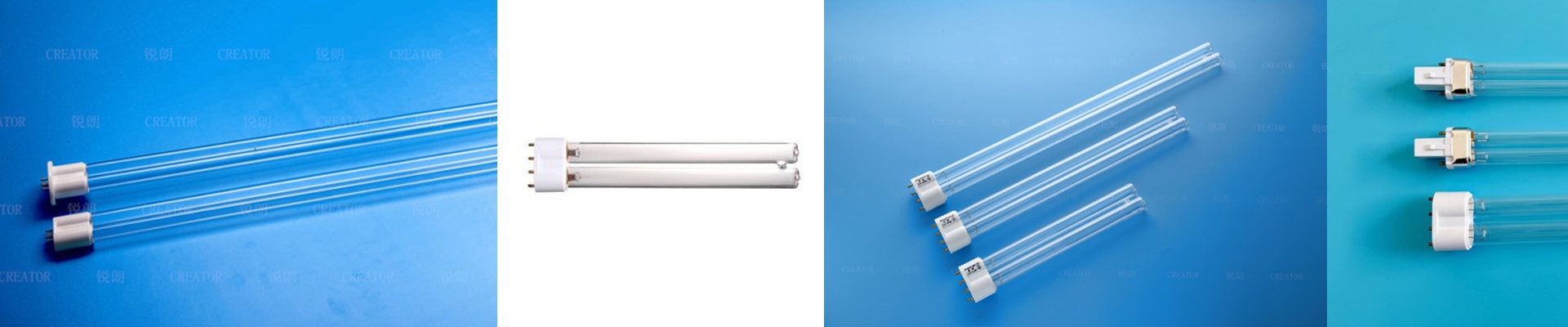
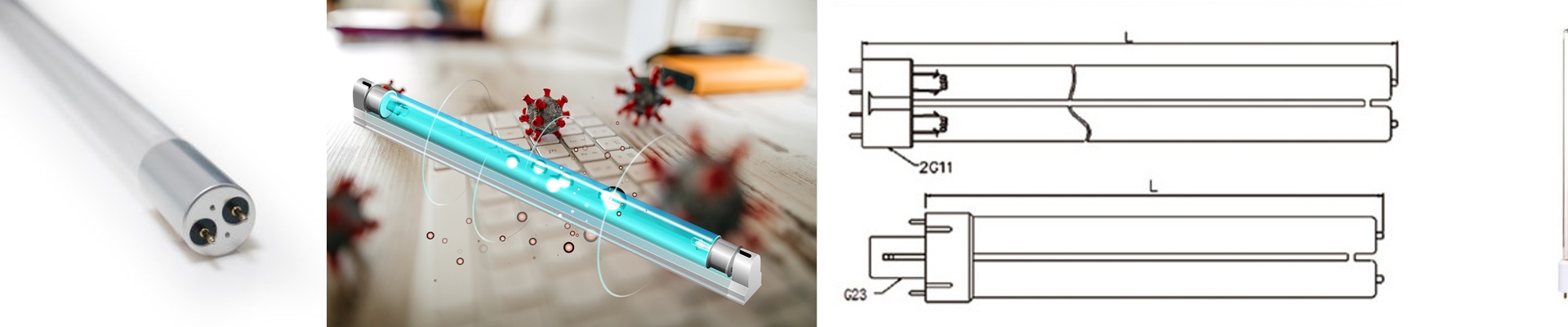
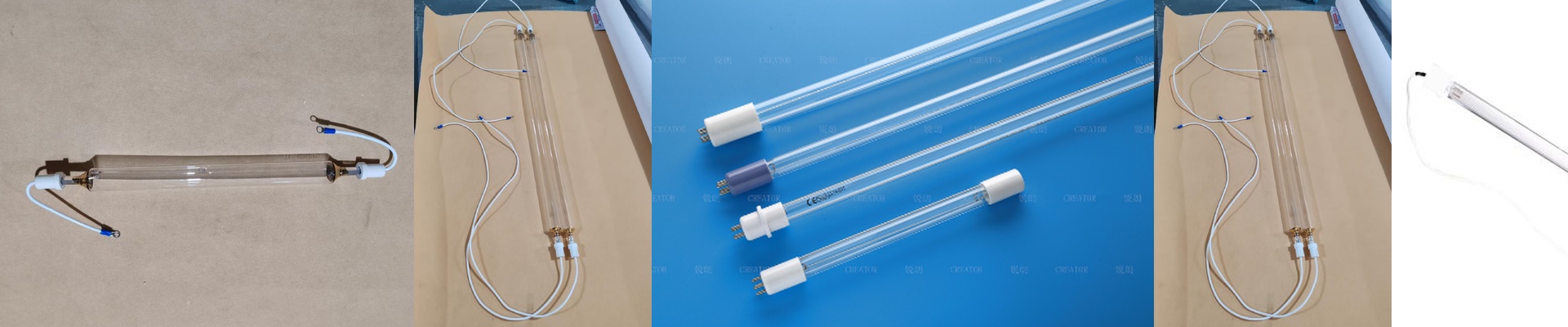
Every time you have to stop the line to swap a lamp, you’re paying for it in throughput. In UV-curing work, the lamp that hangs in there longer isn’t just surviving—it’s keeping the press running, the energy profile steady, and the rejects off the floor. If you want to drive down cost per piece, the quickest lever is a UV source that delivers repeatable dose with the fewest maintenance interruptions. What matters under the hood Cold cathode UVC lamps put out germicidal energy at 254nm with a stable arc, so peak irradiance stays predictable across the life of the lamp. We design for low decay: these units hold high UVC output for thousands of hours, with spectral consistency that keeps photoinitiator activation even. The quartz body and ozone-free approach protect the substrate and the curing environment, while the cold-cathode build gives you fast ignition and stable operation, even with frequent on/off cycles. In a printing plant, uptime and consistent cure energy are the levers that move unit cost. A long-life, low-decay lamp means fewer change-outs, fewer warm-up waits, and fewer set-point drifts that can show up as tackiness, adhesion headaches, or curing gradients. Fewer reprints. Less scrap. Line speeds that stay consistent. Energy use stays flat because the reflector and coating keep you inside the intended dose window, and maintenance labor drops simply because you’re changing lamps less often. Here’s what to keep straight when you run these. Cold cathode UVC lamps need a ballast that matches, and the reflector alignment has to be right to hit your target irradiance. You also need adequate airflow and clean quartz surfaces—dust and film buildup will drop effective output faster than the lamp aging. Make sure the fixture is electrically compatible, and verify the UVC dose your ink system needs. When it’s installed correctly, the trade is clean: less downtime and more stable curing—directly into lower cost per piece.