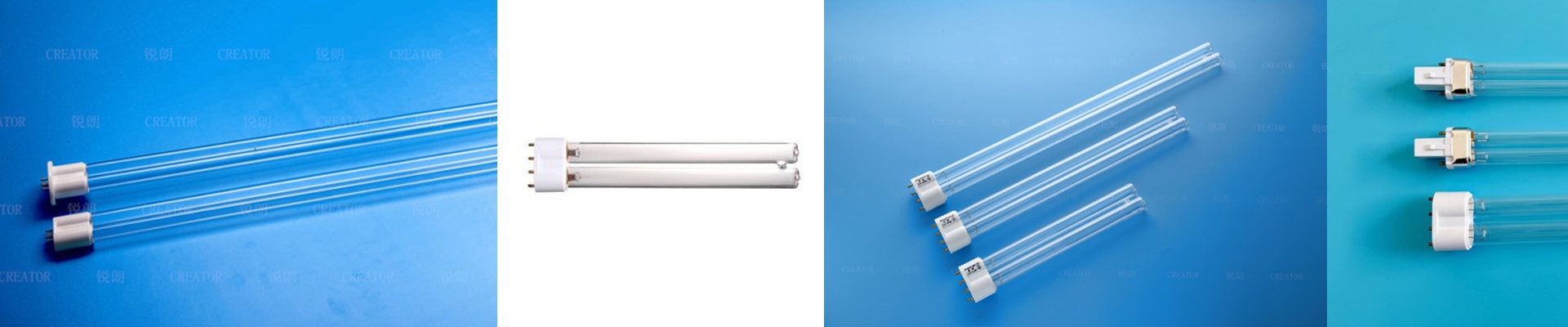
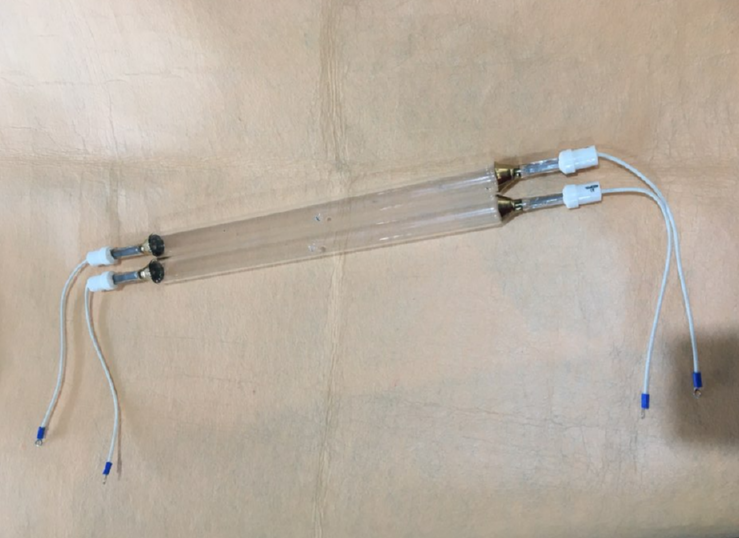
On the press floor, the clock doesn’t wait for anyone. Operators are juggling changeovers, tweaking ink formulations, swapping substrates—and the UV system has to deliver the same stable energy, job after job. When the lamp starts to slip, you know it instantly: ink that stays tacky, adhesion that fails, and scrap that starts piling up. Forget hype. What matters is control you can measure and manage, whether you’re at the console or down the aisle.
What matters, technically
We built the UV lamp timer switch control around a high-resolution timer paired with a solid-state relay and calibrated lamp-drive profiles. That gives you repeatable ignition and a stable arc every time you hit start. The result is consistent spectral output across mercury vapor lamps and LED-UV arrays, so the energy density your photoinitiators need for full cross-linking is actually there. You get stable peak irradiance, repeatable dose control, and a clean audit trail of lamp-on time for process validation. The interface supports remote monitoring, so you can check lamp status, accumulated energy, and duty cycle from the press console or the plant network.
Why it holds up in real presses
In offset, flexo, screen, and gravure, two things wreck runs fast: inconsistent exposure and unplanned downtime. This timer control tackles both. Match the cure to the ink—365 nm when you need deeper penetration, 385–405 nm for a solid surface cure—then lock in timing and intensity per job. Remote visibility cuts down on manual checks, and the timer prevents needless warm-ups and premature lamp starts. That means lower energy draw and longer lamp life. The payoff on the floor is straightforward: faster makeready, fewer rejects, and maintenance windows you can plan around.
The details that keep it honest
Installation is straightforward, but compatibility comes down to the lamp driver and how the press talks to the rest of the system. Before ordering, confirm voltage, connector type, and the control protocol you’re running—relay contacts, PLC, or the press-native bus. **The system performs best when you track reflector efficiency and lamp age.**If you don’t, the timer can be too accurate for an aging lamp, and cure starts drifting. Schedule periodic radiometer verification, and line up lamp replacements with recorded duty-cycle data. That’s how you keep curing inside spec, shift after shift.