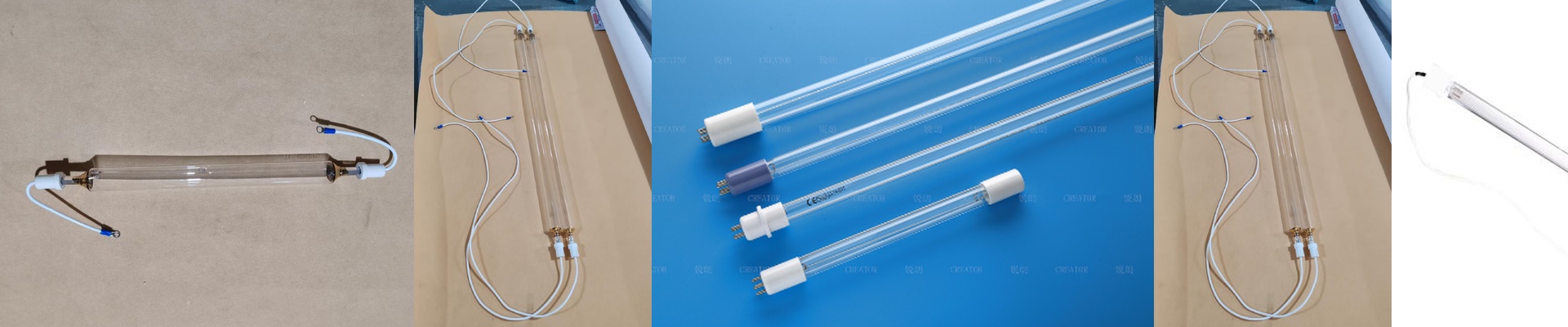
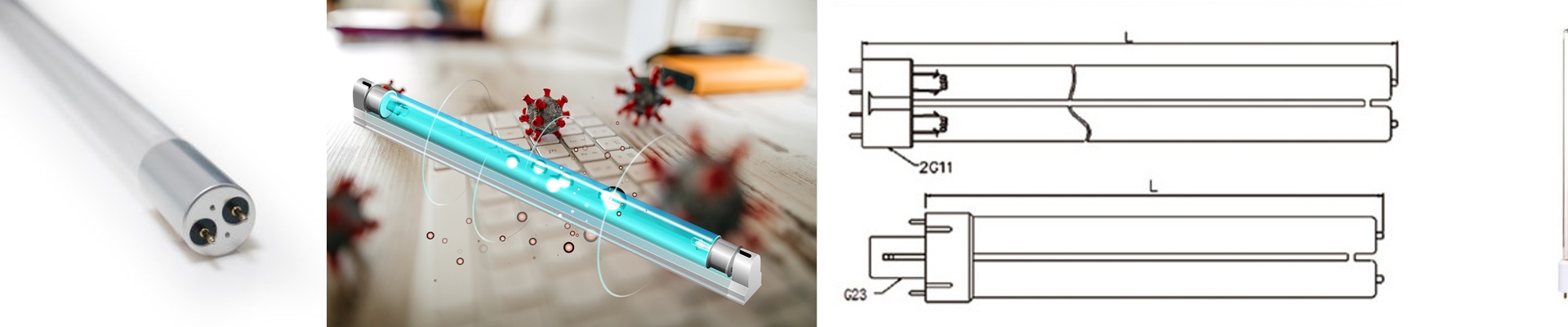
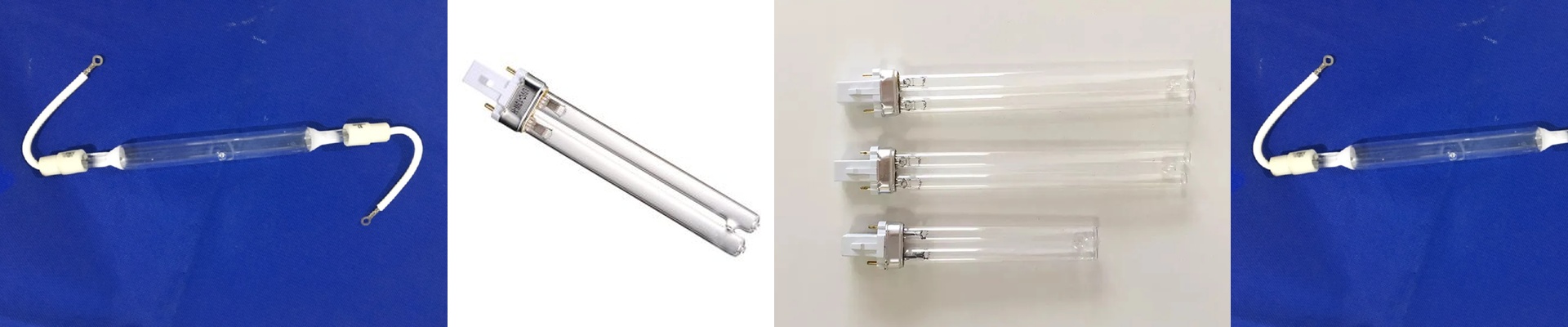
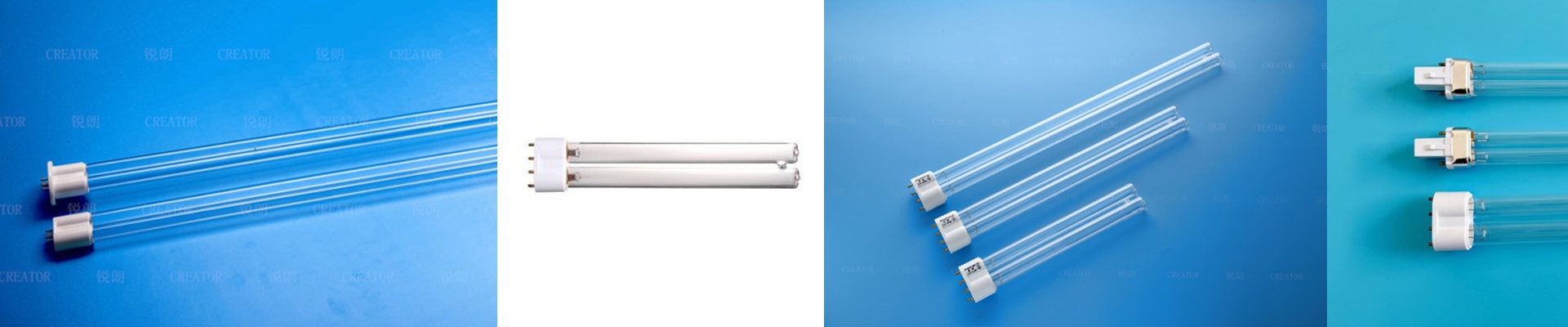
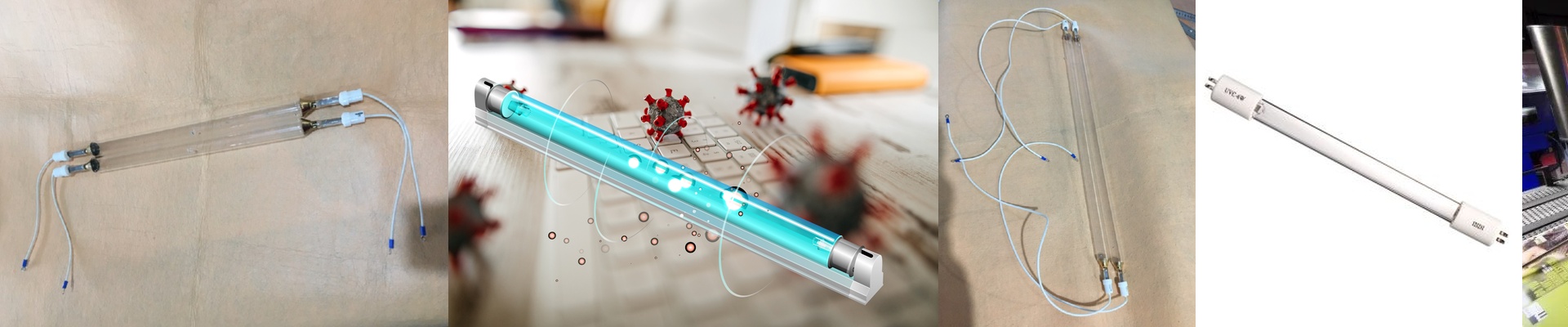
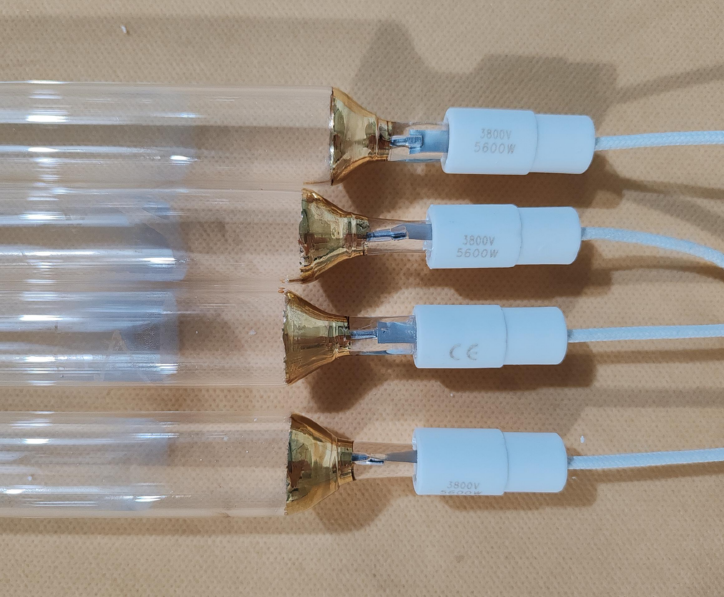
I’ve walked through enough plants—about three thousand of them—to know the question is never just “How bright?” It’s always: does the spectral output match the ink, and is the energy density something the substrate can actually handle? In offset, you want a solid 365 nm peak and tight control from the reflector. That keeps sheet temperature in check while you drive cross-linking. In flexo, 385 nm gets down into the thin film without surface quenching. In screen, you often need higher irradiance around 395–405 nm just to punch through the thicker deposit. What matters, technically We build around three numbers you can measure: peak irradiance (W/cm²), energy density (mJ/cm²), and the spectral match to the photoinitiator. A high-pressure mercury vapor lamp gives you a broad output; then we use dichroic reflectors and the right quartz envelope to shape the useful band and keep IR heating under control. The specs that actually matter on the floor: lamp arc length, end-of-life output retention, warm-up stability, and ozone management. On presses where ozone is a headache, we spec ozone-free designs and set airflow and distance properly—so you don’t have to choose between safety and speed. Here is why the design logic works: it’s driven by the press. Offset jobs demand low substrate heating and consistent cure across the sheet, so we tune for 365 nm dominance and good uniformity. Flexo runs thin films at high throughput, so 385 nm gives deeper penetration and faster cross-linking. Screen printing lays down thick ink, so you need lamps and reflectors that deliver higher intensity at 395–405 nm. The payoff is fewer stops for cure issues, less waste from adhesion failure, and lamp replacements you can plan instead of react to. A few things to keep straight when matching lamp to press: wattage alone won’t tell you if it will fit. Confirm reflector geometry, lamp length, and connector compatibility with your curing module. Cooling needs differ between ozone-free and standard lamps—change the airflow and you change ozone generation and reflector temperature. And UV intensity drops over time. Track output with a spectral radiometer and replace lamps before the drop starts to push you below cure thresholds.