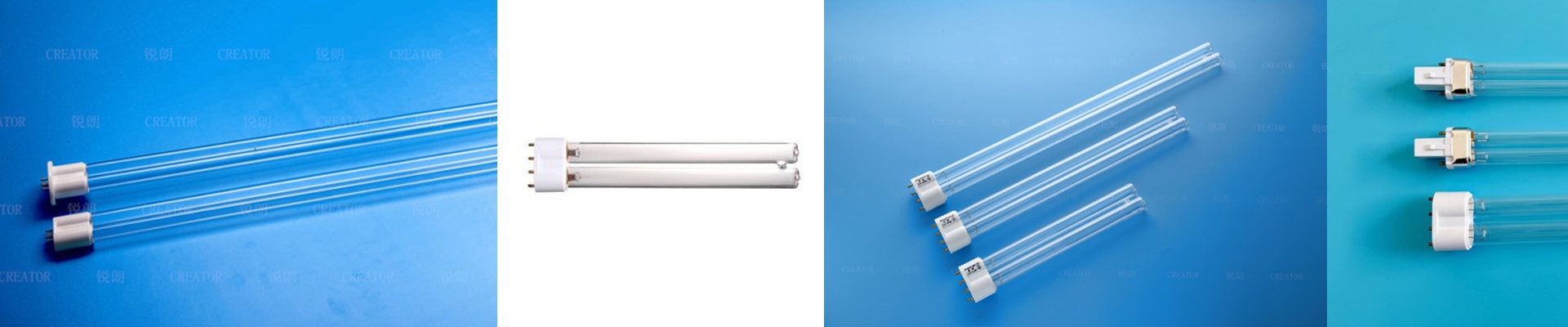
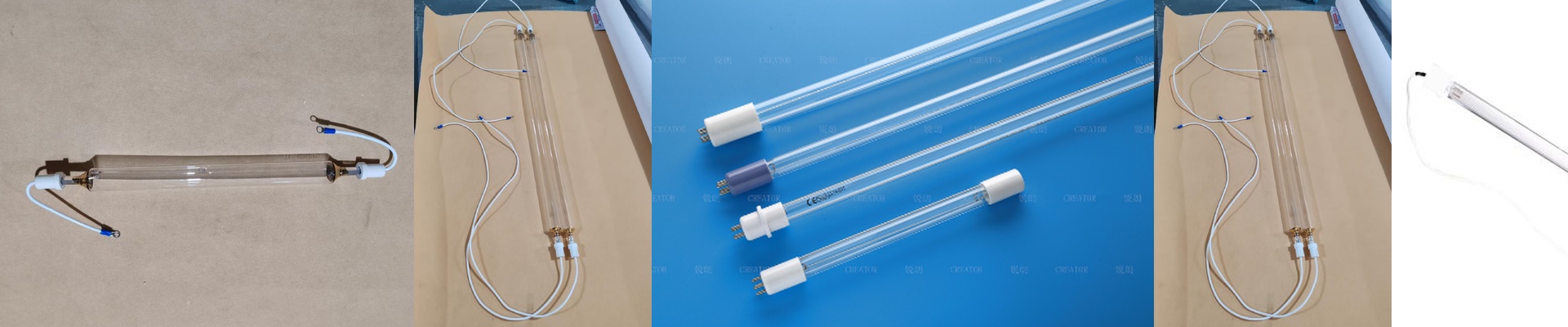
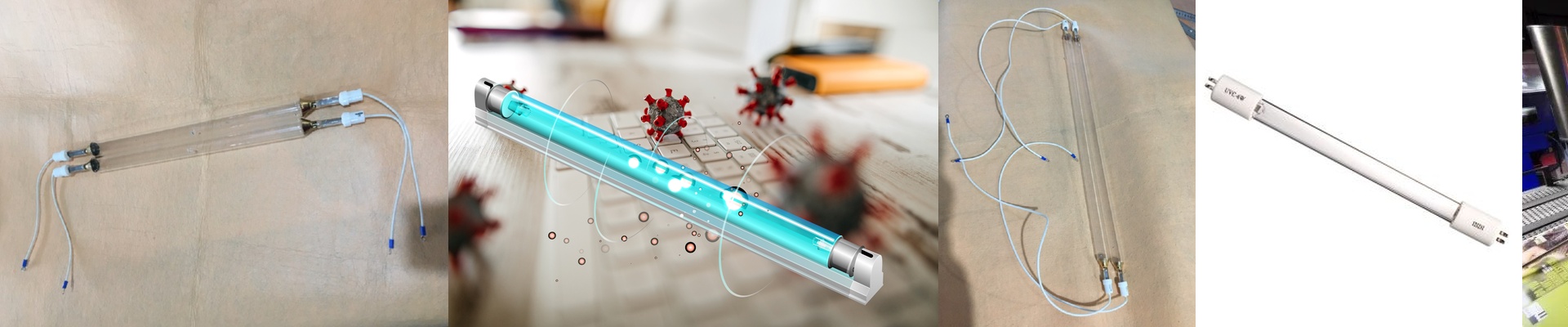
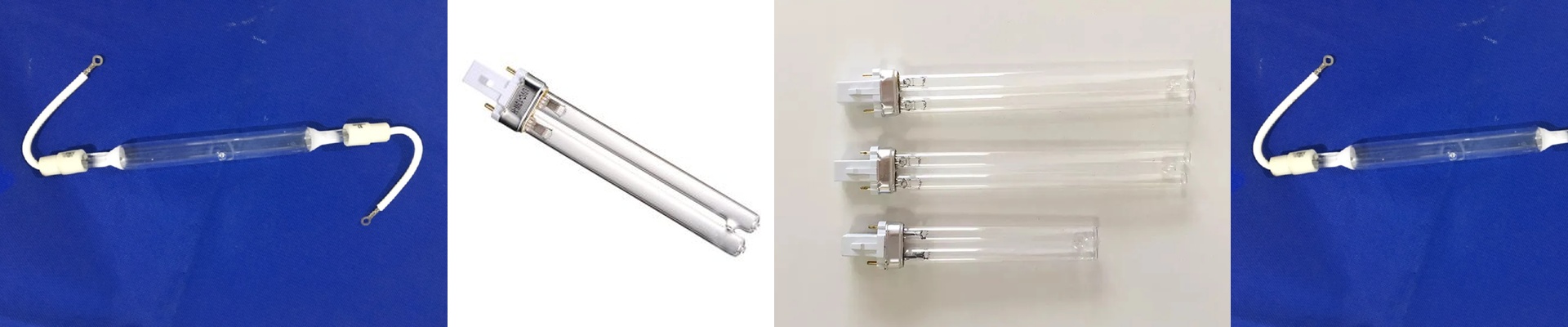
On a production floor that lives on repeatability, a UV spot cure isn’t a nice-to-have—it’s a constraint on throughput and yield. When adhesives, coatings, or inks don’t cross-link on schedule, you’re looking at scrap, rework, and line stoppages. We built the Dymax UV spot curing lamp around one idea: deliver repeatable spectral output, shift after shift, at a cost that supports global OEM programs.
What matters under the hood
We spec the lamp around stable spectral output and controlled irradiance. The spectrum is centered to match photoinitiator absorption, with tight wavelength tolerance so cure onset stays predictable—part to part, operator to operator. Peak irradiance is engineered to hit the required energy density at the work surface, giving you fast, localized curing without relying on broad-area exposure. The arc lamp assembly uses a proprietary reflector and dichroic coating to shape the output and cut wasted energy. We measure output stability for real: we track lamp life against output decay and design for low attenuation so intensity holds steady over thousands of hours. That translates into repeatable cure windows, consistent adhesion, and fewer process excursions.
Why it holds up in production
“Contract quality, wholesale pricing” isn’t a slogan—it’s a stance. On global lines, the real ask is uptime with a predictable cost per unit. This lamp helps by reducing cure variability. Less drift means fewer parameter tweaks, fewer rejects, and more consistent mechanical properties in the cured joint or coating. Long service life and low decay cut down on replacements, which lowers spares inventory and service labor. Energy efficiency trims operating cost per part, especially on high-volume work. In practice, the curing process behaves the same in week 52 as it did in week one.
The details that keep you out of trouble
The lamp works with common UV spot systems, but integration has to respect optical alignment and cooling. Output is sensitive to reflector cleanliness and lamp position—even a small misalignment changes the delivered dose. Match your substrate’s photoinitiator response to the spectral output, and confirm the energy density you need at your working distance. There’s a slight warm-up settling time before irradiance stabilizes—plan your cure timing around that. When you handle these basics, the lamp acts like a dependable process element, not a maintenance headache.