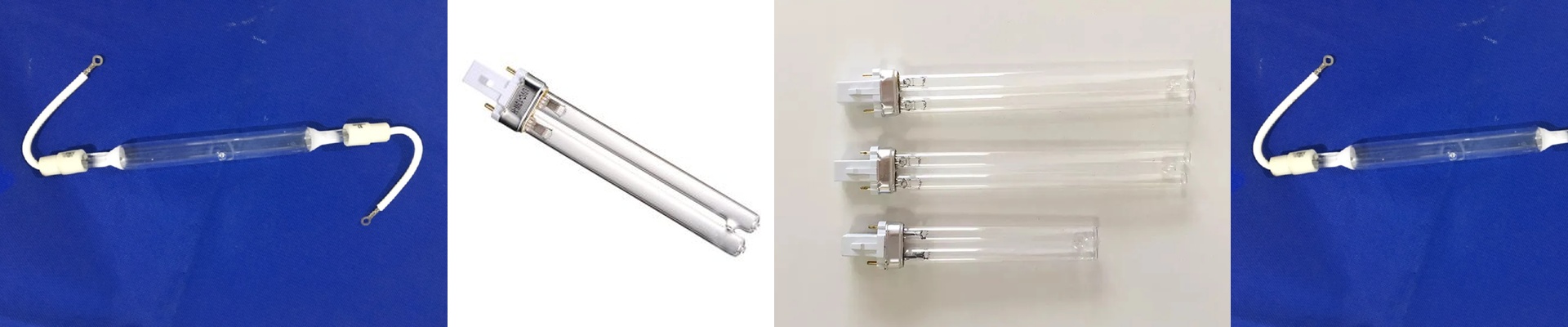
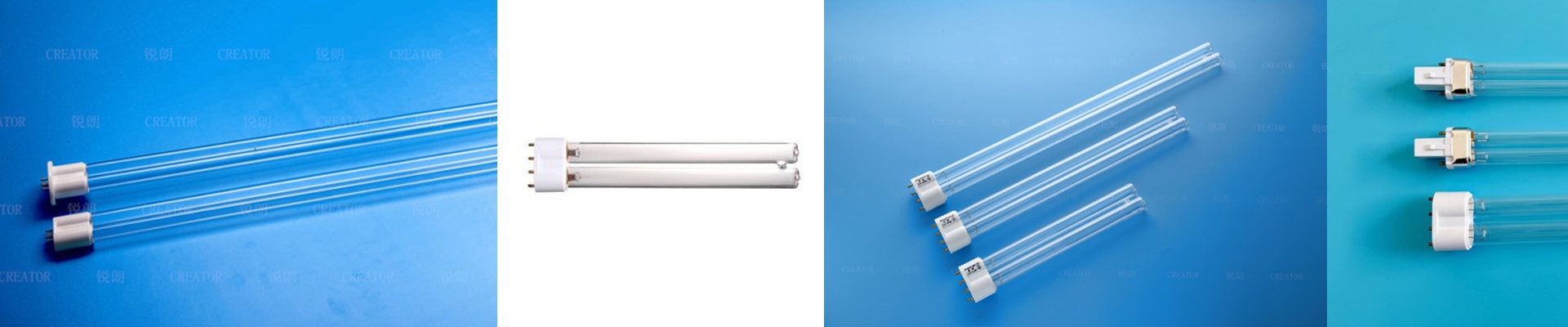
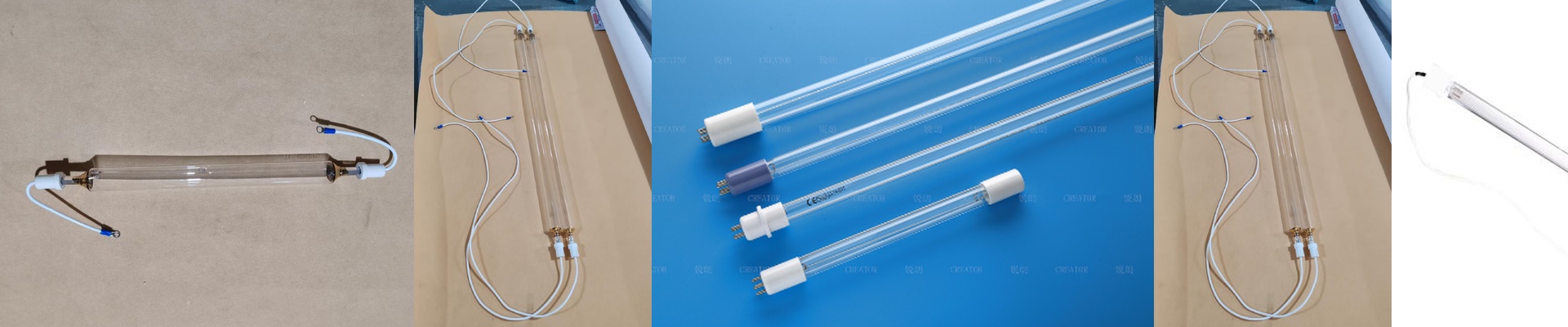
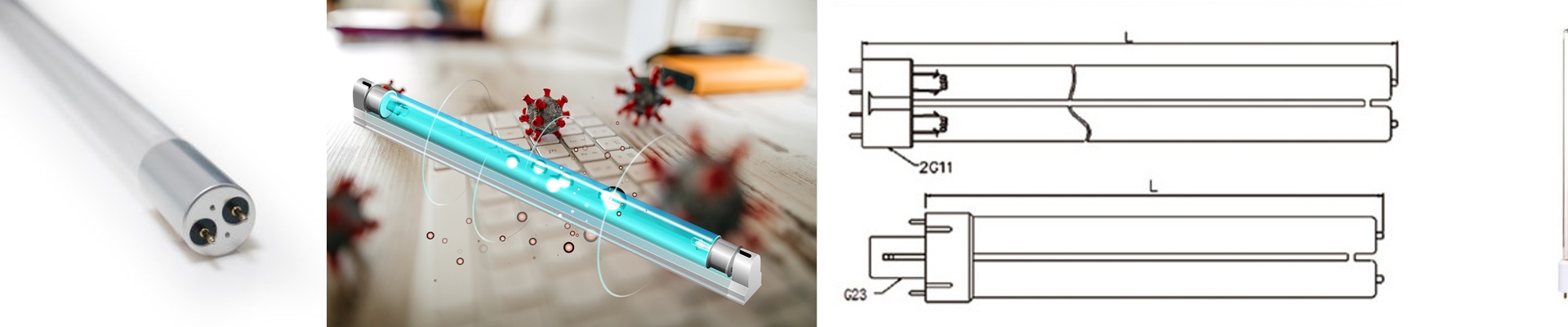
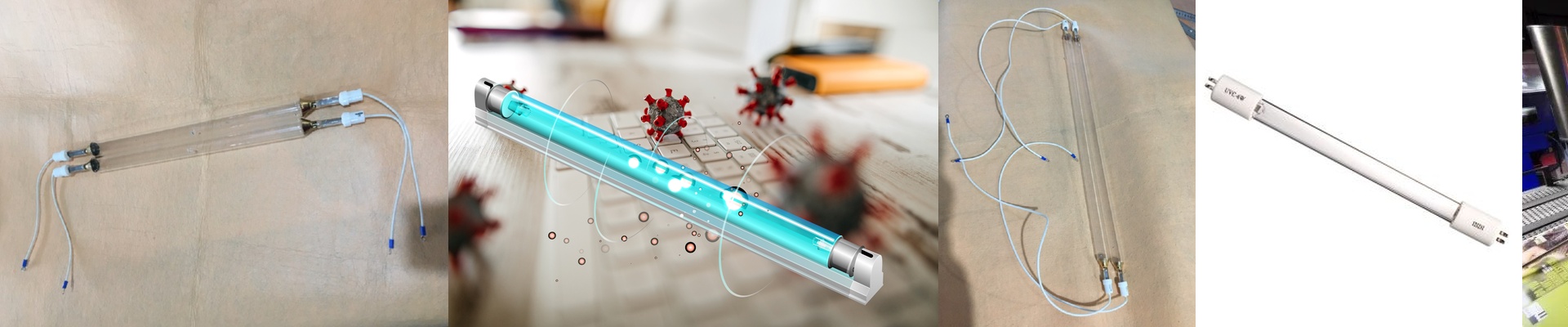
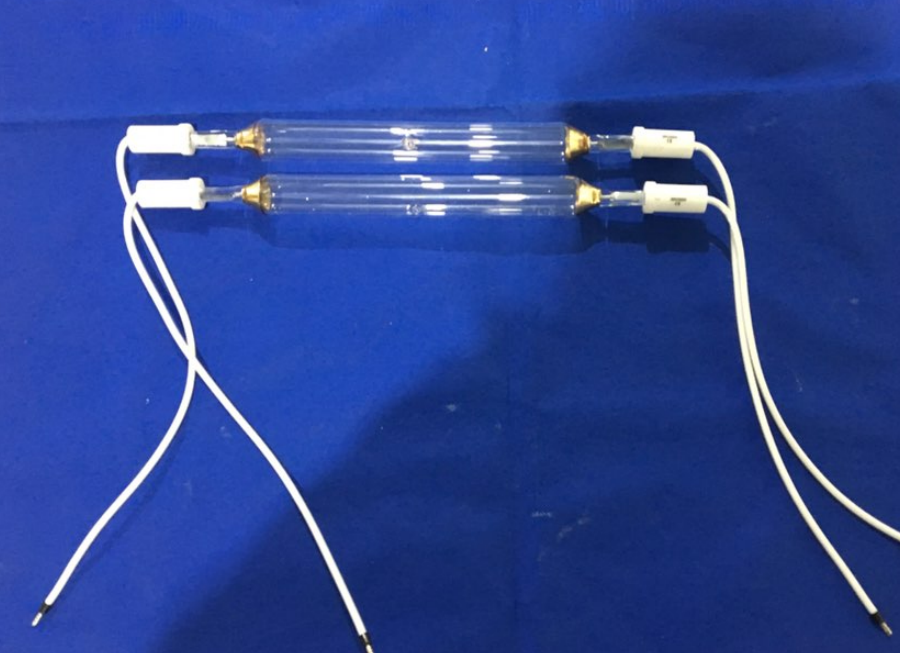
On the floor, that CE mark on a UV lamp isn’t just paperwork. It’s the engineering proof that lets your press run at rated speed without tripping safety, EMC, or chemical-emission gates that stand between you and high-value markets. Match the lamp to the process, and curing becomes repeatable—not a scramble every job change. What actually drives curing performance It comes down to spectral output, peak irradiance, and delivered energy density. High-pressure mercury vapor lamps put down strong output at 365 nm, with useful lines at 313 nm and 395 nm that line up with photoinitiator absorption in a lot of ink systems. We shape reflector geometry and dial in dichroic coatings to push more useful UV onto the substrate while keeping IR heat in check. And a stable lamp lifespan curve—measured in hours at 80% of initial UV output—means fewer unplanned changeouts and consistent dose. The CE certification clears the hurdle, but the real win is uptime and yield. On offset, flexo, screen, and gravure lines, the lamp has to fit the machine in the practical sense: lamp length, arc gap, end-fitting, and shutter compatibility all decide whether you get full cure without hot spots or pinholes. Get the right lamp, and you hold target mJ/cm² across the web, cut energy per print, and stretch the intervals between lamp replacements—straight to a lower cost per impression. UV lamps are sensitive to how they’re run. Input voltage stability, cooling airflow, and reflector cleanliness will shift output and shorten lamp life. Make sure the lamp matches your cure station geometry and power supply. Mismatched reflectors or undersized cooling can drive overheating and accelerate output decay. Schedule spectral checks with a radiometer, not just a quick visual inspection.