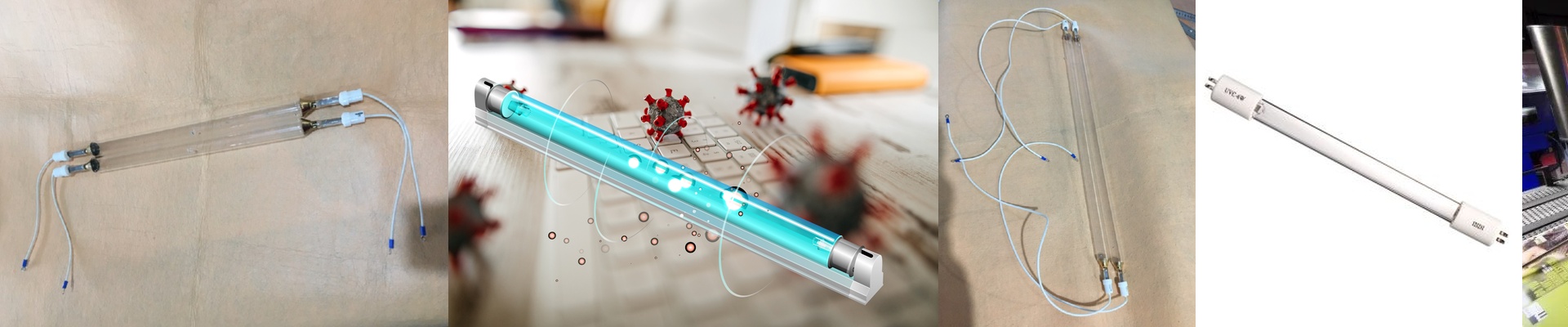
If your shirt prints start cracking after a wash, the usual culprit is under-cured ink. You didn’t hit the UV energy needed, so the ink film never fully cross-links. When the fabric flexes, the film gives way. Nine times out of ten, the root cause is lamp temperature drift—when the mercury lamp gets too hot, the spectral output shifts and peak irradiance at the cure plane drops. What actually matters under the hood A high-pressure mercury vapor lamp is fussy about junction temperature. If you don’t keep it cooled in a controlled, directed way, the arc tube heats up, the output curve wanders, and the photoinitiator response falls off. We run a UV lamp cooling fan system that holds a stable thermal envelope, so the lamp stays inside its rated window. That gives you consistent spectral output, predictable curing energy density (mJ/cm²), and repeatable peak irradiance job after job. Keeping the temperature steady also slows lumen depreciation, so the lamp lasts longer and the reflector stays efficient. Why this matters on garment lines On garment printing lines—especially when you’re laying down thick deposits for wash resistance—depth cure depends on stable UV intensity. Stable cooling keeps lamp temperature where it needs to be, so the 365nm/385nm output doesn’t sag during long runs. The payoff: fewer rejects from under-cured edges, better wash fastness, and adhesion that holds up cycle after cycle. You also cut energy waste from repeated warm-up dips and avoid swapping lamps too soon, which lowers total cost of ownership. What to get right on the install The cooling setup has to match lamp power, lamp length, and the ducting constraints. You need enough airflow, but not so turbulent that it shakes the lamp or destabilizes the arc. Expect a bit more ambient noise, and double-check clearance around the lamp ends. For best performance, pair the cooling with a clean reflector and keep a verified radiometer routine to confirm irradiance stability right at the substrate.