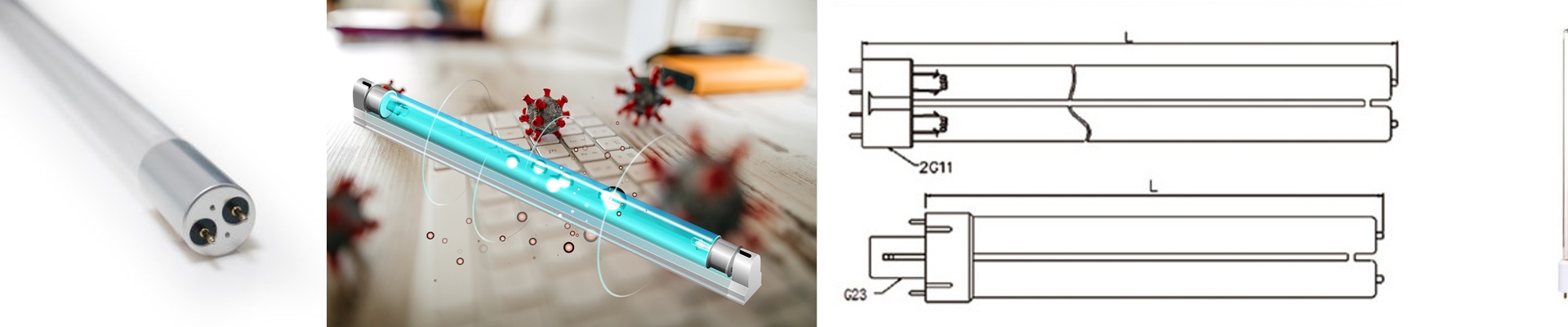
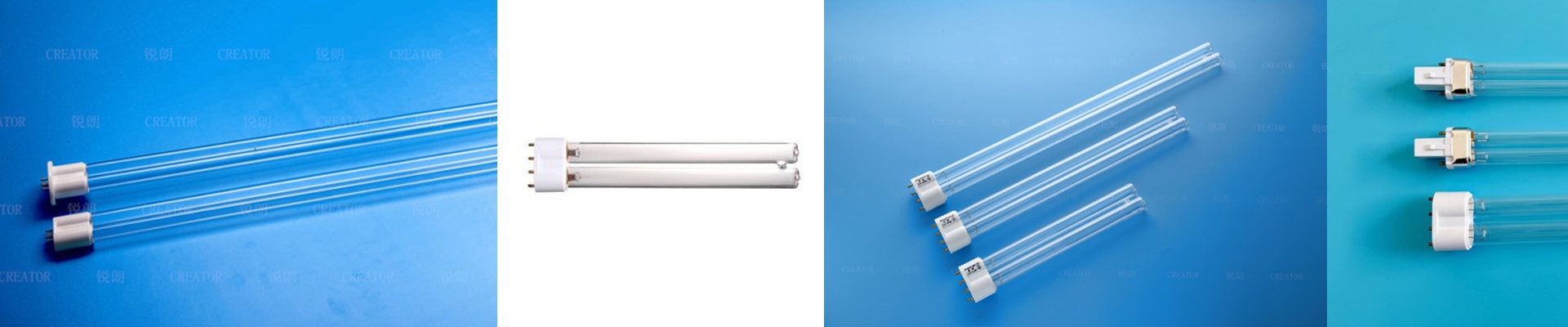
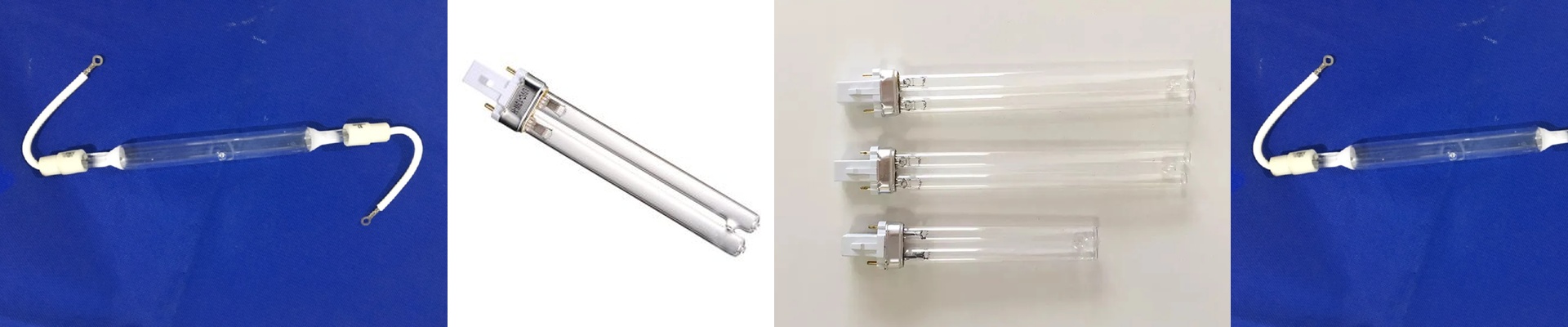
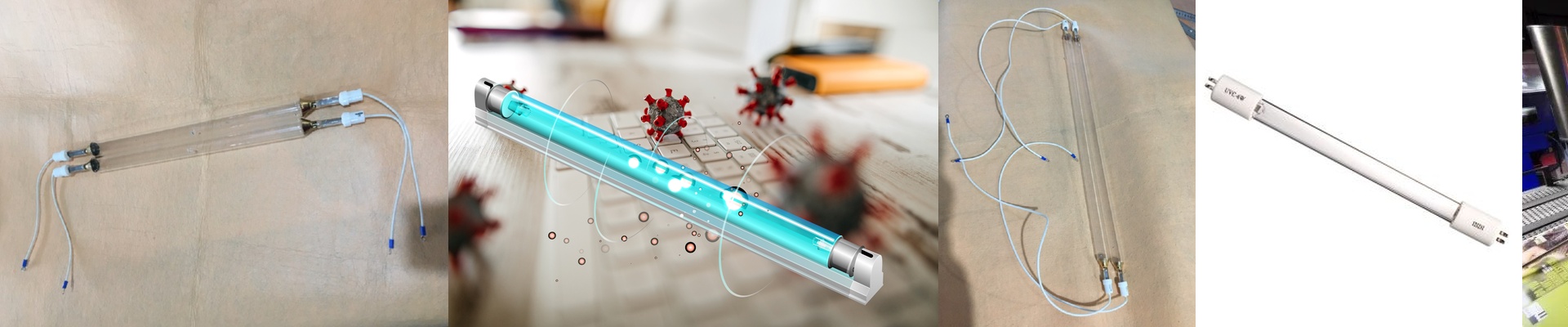
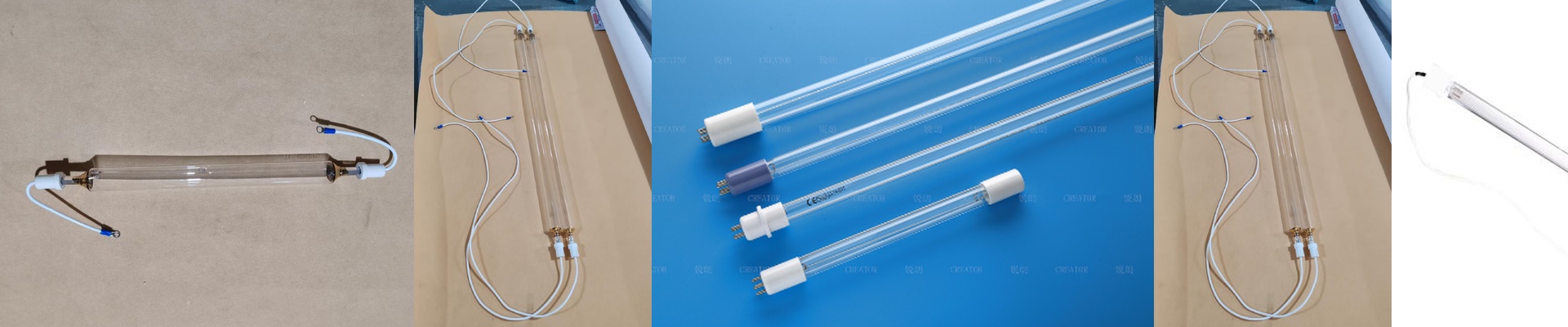
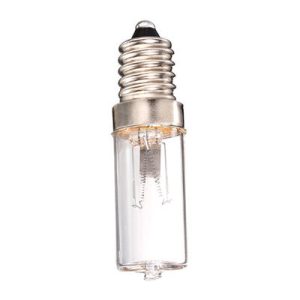
Stop letting UV lamps dictate your production schedule. In a screen, flexo, or offset shop, a lamp failure isn’t just a delay. It forces a scramble—swap the lamp, re-run the job, chase stable cure on press, and pay for the overtime.
What matters under the hood
The SK15 ceramic base is built for mercury-vapor UV lamps in industrial curing lines. It keeps electrical contacts solid through repeated heat cycles, so ignition voltage stays consistent and you cut down on arcing. The ceramic body holds dielectric strength and stays flat—critical when the lamp and reflector have to line up within tight tolerances to hit the required peak irradiance on the substrate. Paired with a high-reflectivity dichroic reflector, the assembly delivers repeatable spectral output at the primary mercury lines. You get strong output around 365 nm, which is what you need for fast photoinitiator activation. The payoff is consistent cure energy density across the sheet, without chasing hot spots.
Why this makes the difference
Predictable curing is the backbone of any preventive-maintenance plan. With the SK15, you can build a lamp ledger based on runtime, ignition count, and measured output decay—no more guesswork. Set a conservative end-of-life threshold in mJ/cm² for each press and substrate, then replace lamps before output drift forces you to slow the line or crank up power and shorten lamp life. Fewer emergency stops. Fewer quality excursions. More consistent throughput. And you’re not buying over-engineered replacements that don’t match your machine footprint.
The details you can’t skip
The SK15 is not plug-and-play across the board. Match the base dimensions, pin spacing, and ignitor compatibility to your specific UV curing module—whether you’re running medium-pressure mercury lamps or metal-halide blends. Make sure reflector geometry and focal distance line up with your lamp length and cure window. Ceramic assemblies are brittle—handle with care during install and cleaning. And keep ozone-free cooling airflow steady to avoid thermal shock.