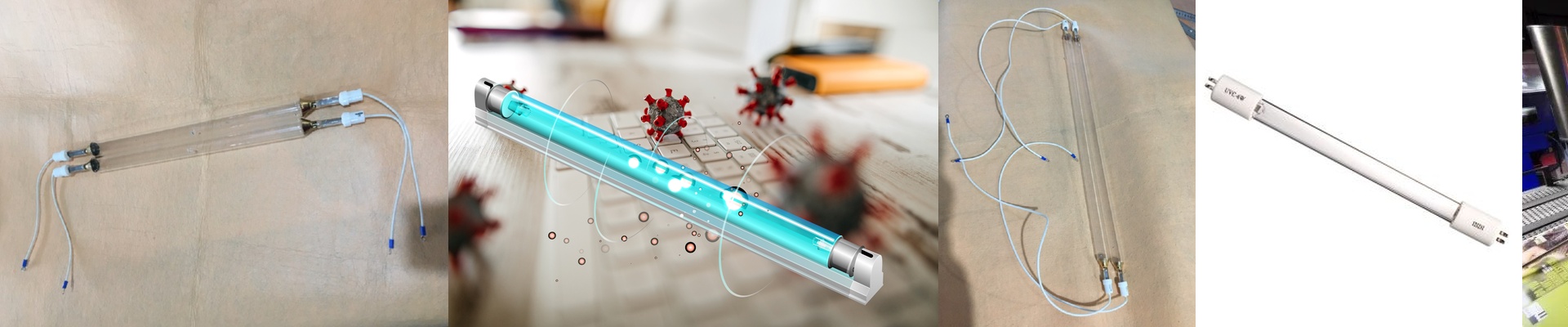
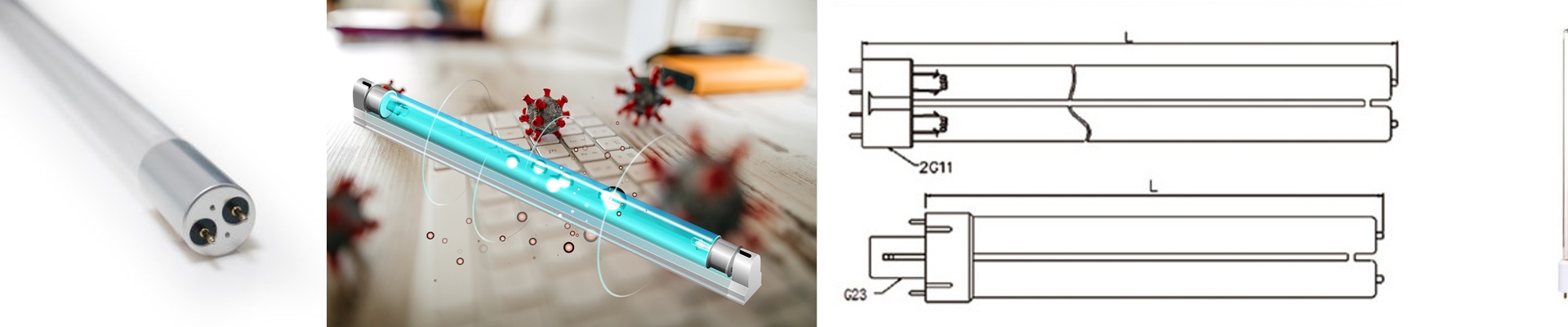
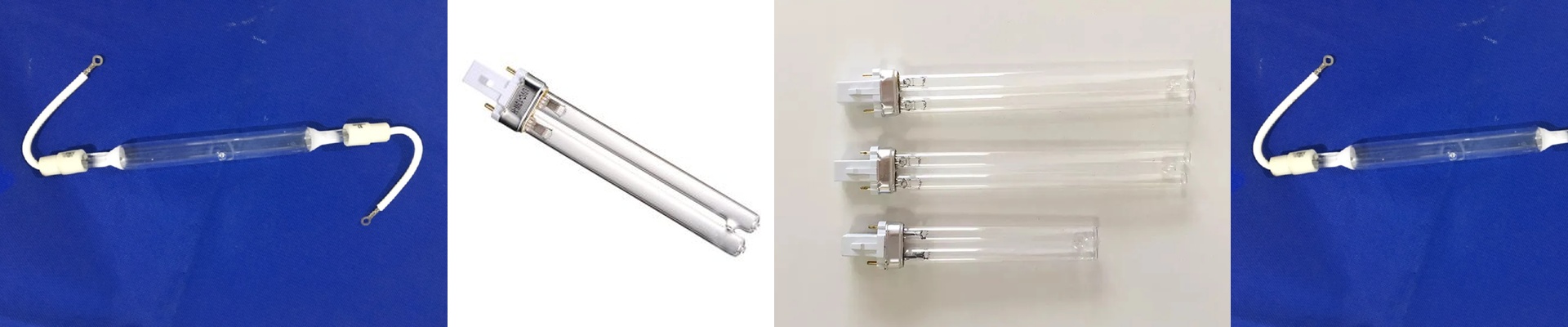
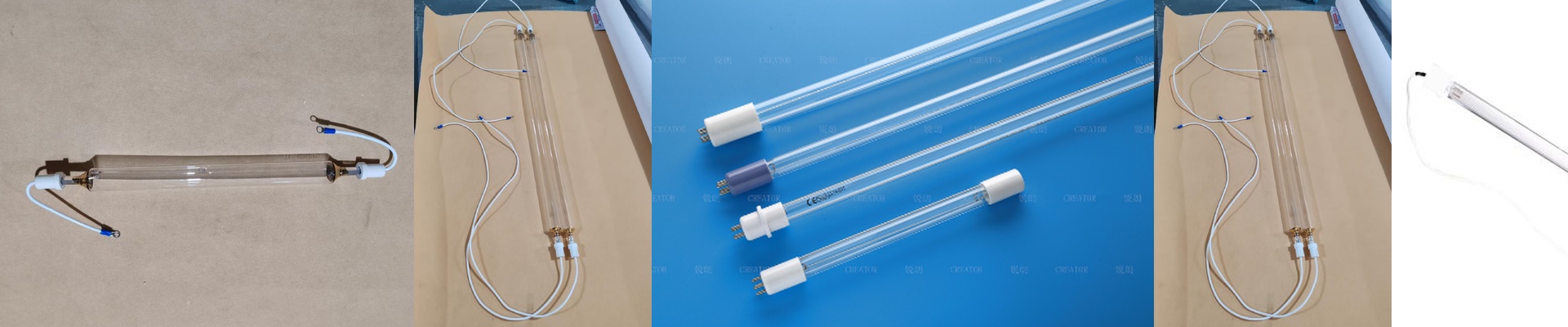
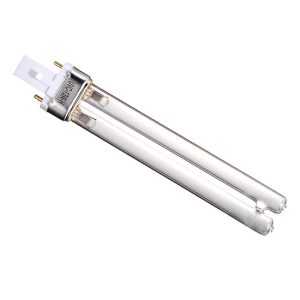
On the line, speaker bonding falls apart when the UV cure isn’t steady. The adhesive under-cross-links at the bondline, and tolerances start to drift after vibration testing. We built our UV curing lamp to hold a 0.5% spectral energy concentration window, because that’s the only way to keep photoinitiator conversion under control across complex speaker geometries. What matters under the hood We’re running a high-pressure mercury vapor lamp—dichroic-coated reflector, ozone-free quartz envelope. Output is centered at 365 nm, with tight bandpass control so we don’t dump energy onto the voice coil or hit polymers that yellow. Peak irradiance at the work surface hits 12,000 mW/cm², delivering 1,200 mJ/cm² in 100 ms on a 15 mm bondline. Output stability holds at ±2% over lamp life, and it stays in that window for 5,000 hours with a measured drop of less than 5%. Why it sticks in production Speaker assembly needs a repeatable cure without baking the parts. This lamp cures adhesives in seconds, so the bobbin and diaphragm stay cool and the dimensional callouts hold. The narrow spectral profile matches the photoinitiators in tough, vibration-resistant adhesives, so cross-linking finishes at the interface, not just on the surface. Fewer rejects after environmental testing, and the cycle stays fast so throughput doesn’t sag. The practical bits The reflector geometry is fixed to keep that 0.5% concentration, so integration needs a dedicated mounting plane and a controlled working distance of 10 mm ±0.5 mm. This isn’t compatible with broadband flood cures—you have to match it to the adhesive’s spectral response. Expect 30 seconds warm-up to full output, and plan your airflow so the quartz window stays clear of dust and outgassing residues.