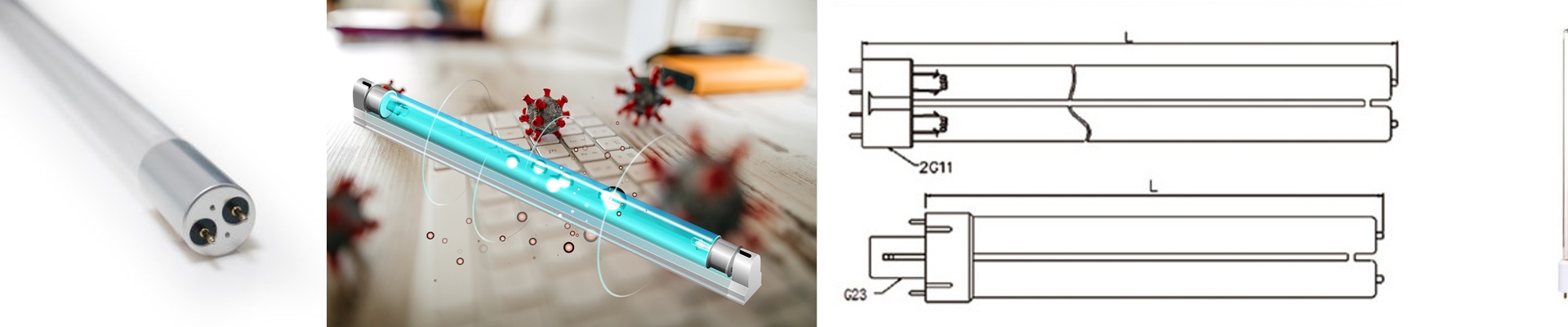
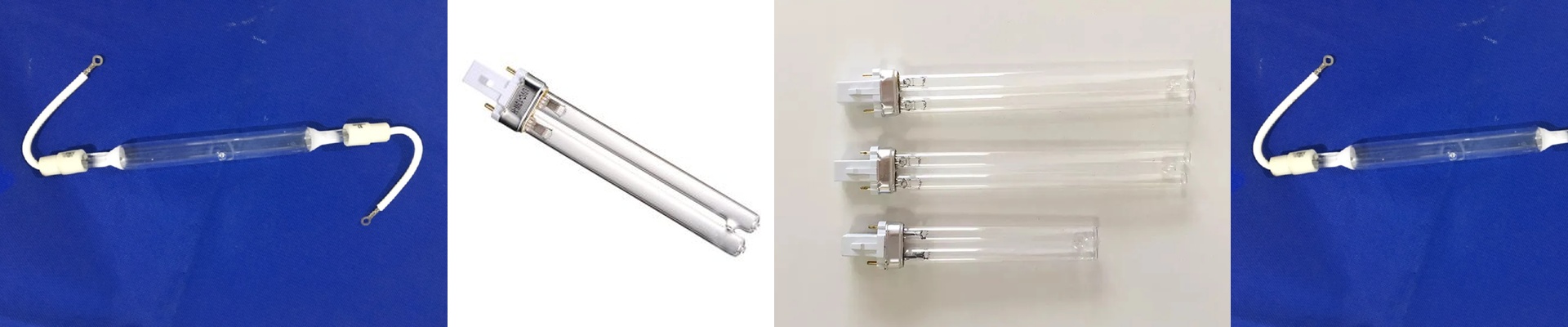
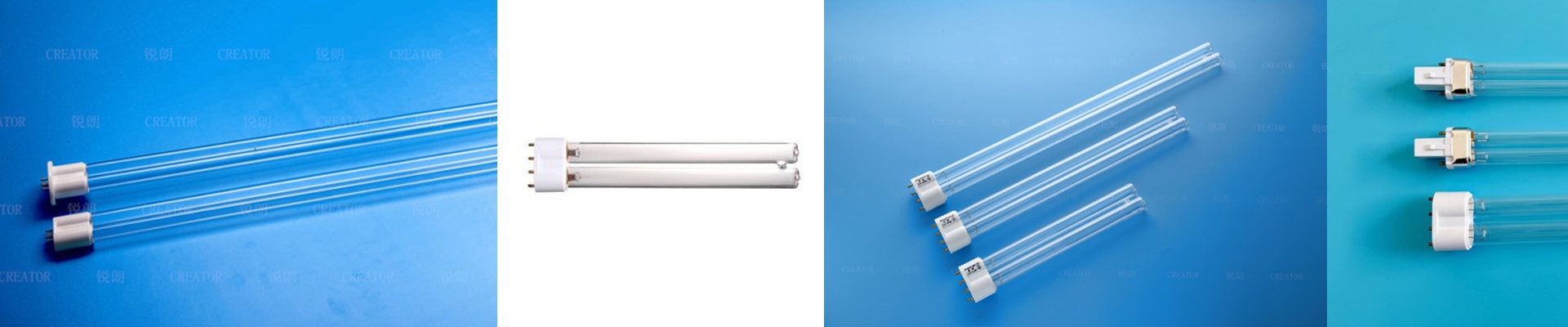
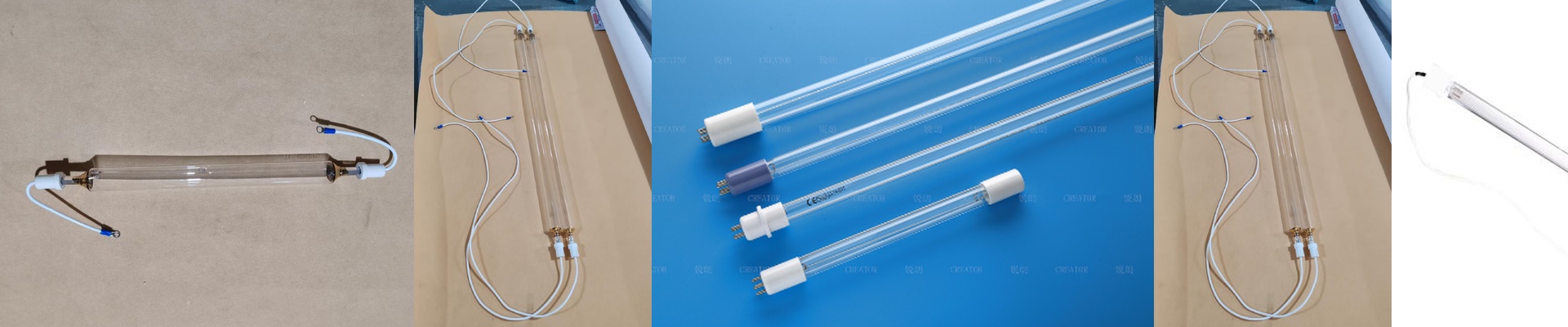
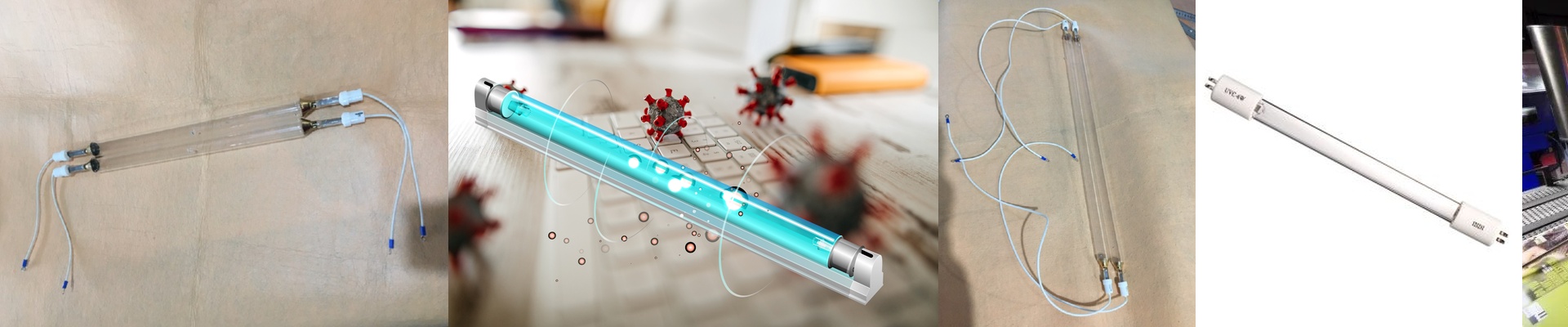
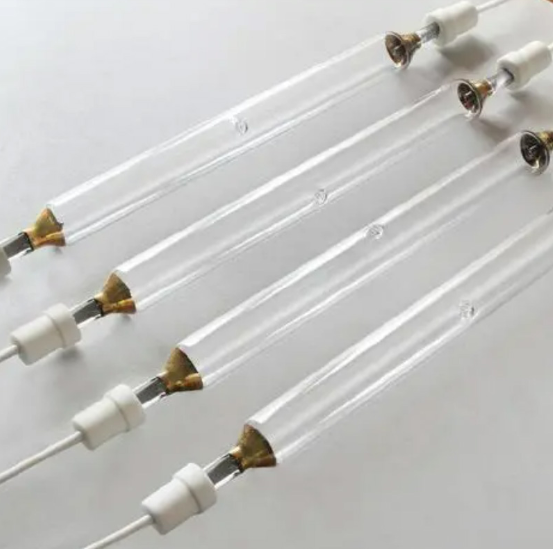
From a fresh roll of fabric to a million garments off the line, weak links get exposed fast. UV curing isn’t just one station. It’s the thread that runs through pretreatment, coating, the ink set, and the finish—anywhere a photoinitiator has to fire off in seconds, not minutes. When the lamp underperforms, the floor pays. Dryers jam, screens block, and rejects pile up in ways rework can’t fix. Here’s what actually drives UV curing in textiles: spectral output and delivered energy density. It’s not about how hot the air feels. A high-pressure mercury vapor lamp gives you stable peak irradiance across the 365 nm, 385 nm, and 405 nm bands—right where photoinitiators in UV-curable inks, primers, and topcoats absorb. We keep output stable by controlling arc consistency, electrode temperature, and reflector geometry, so the same mJ/cm² hits the substrate shift after shift. Long lamp life matters, but only when it comes with low decay. Units routinely run 5,000+ hours with less than 5% drop in measured irradiance. Dichroic coatings on the quartz envelope shape the spectrum and keep substrate heat manageable, and ozone-free designs protect air handling and operator exposure. Textile lines run at speed, and dwell time is tight. UV curing removes the bottleneck by turning line speed into cure speed—cross-linking inks and coatings immediately after print so you can fold, stack, and finish downstream without blocking. You get predictable throughput, fewer wash-ups, and consistent color density because the lamp’s spectral output stays stable across its life. Energy is focused where it matters—at the point of cure—not wasted heating ambient air, and the instant on/off behavior kills idle standby losses. Match the lamp to the ink chemistry and the press platform. If wavelength coverage is off, photoinitiators don’t fully react, and you end up with tack and adhesion failures. Check reflector alignment and cooling airflow. UV output drops fast when the arc is mis-positioned or the quartz runs hot. Plan replacements around measured irradiance, not hours alone. Keep spares stored clean and dry—quartz contamination scatters output and costs you on the floor.