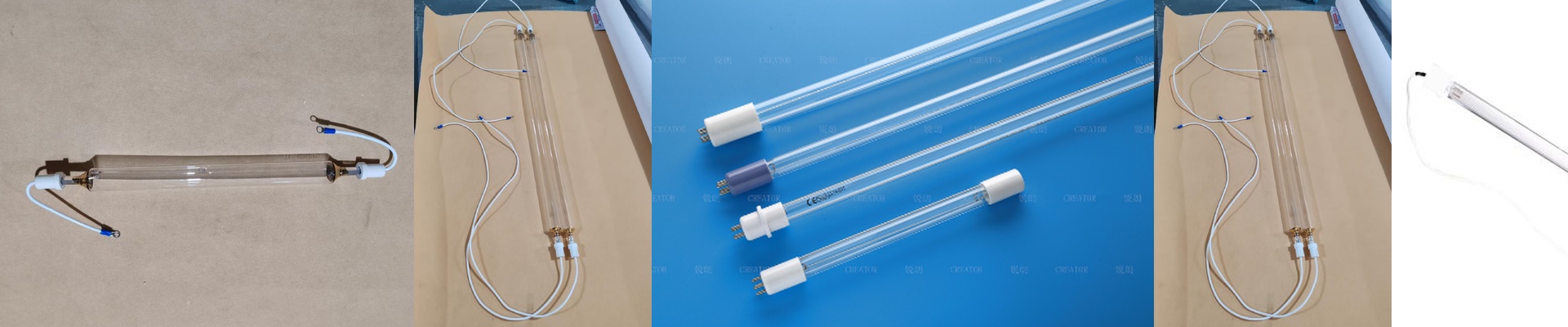
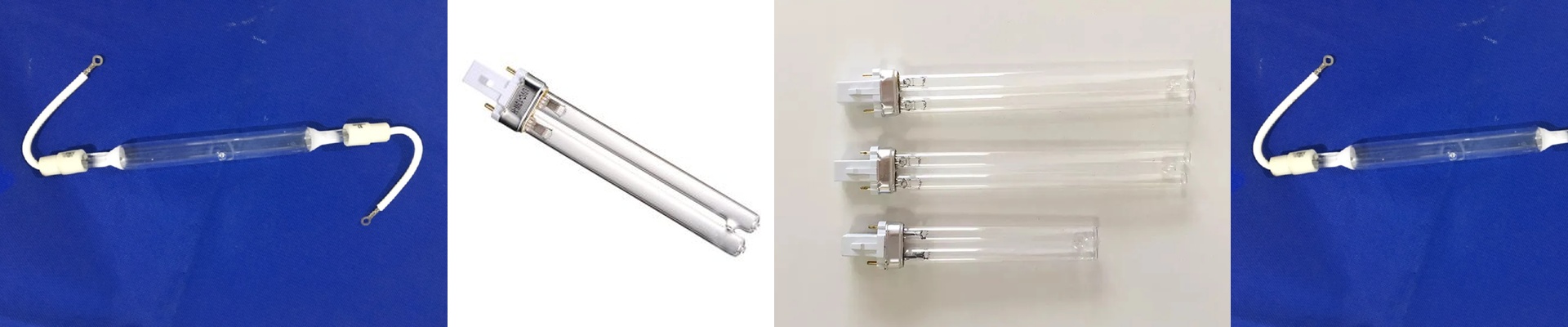
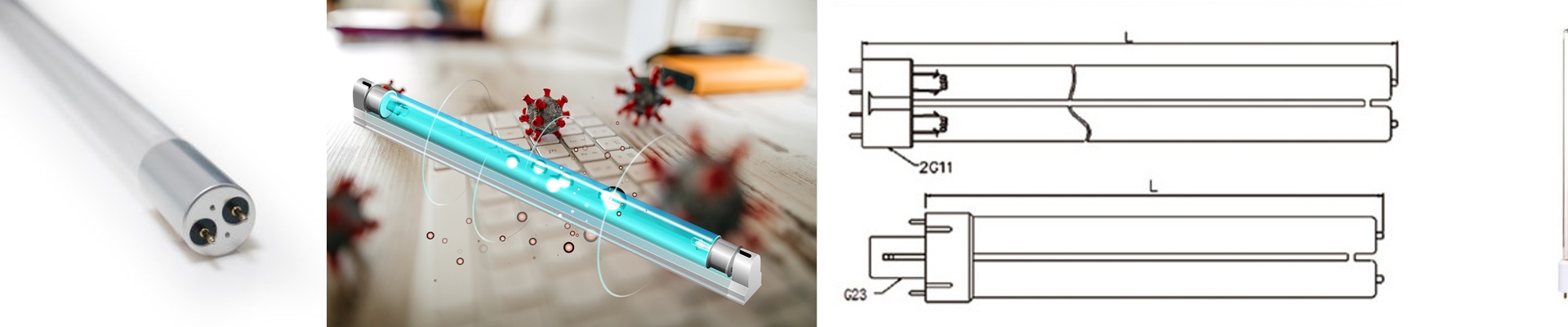
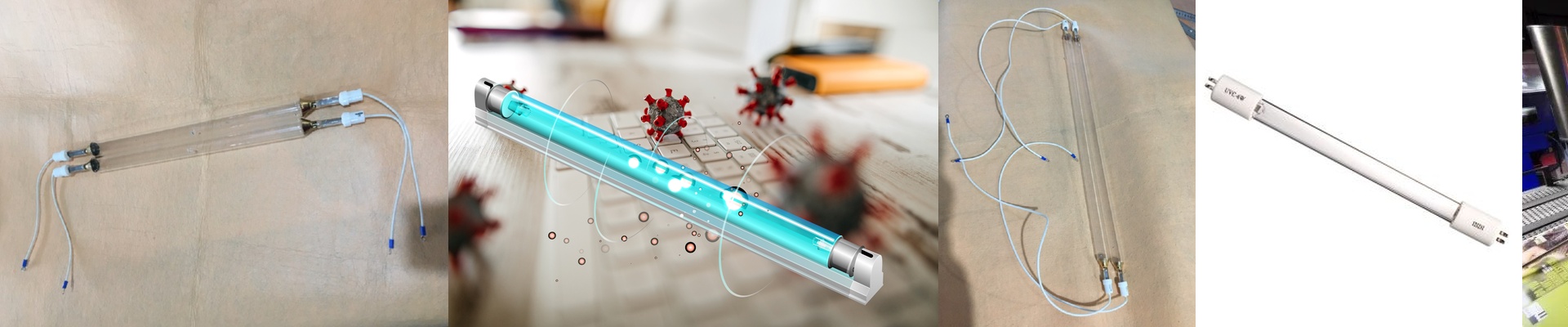
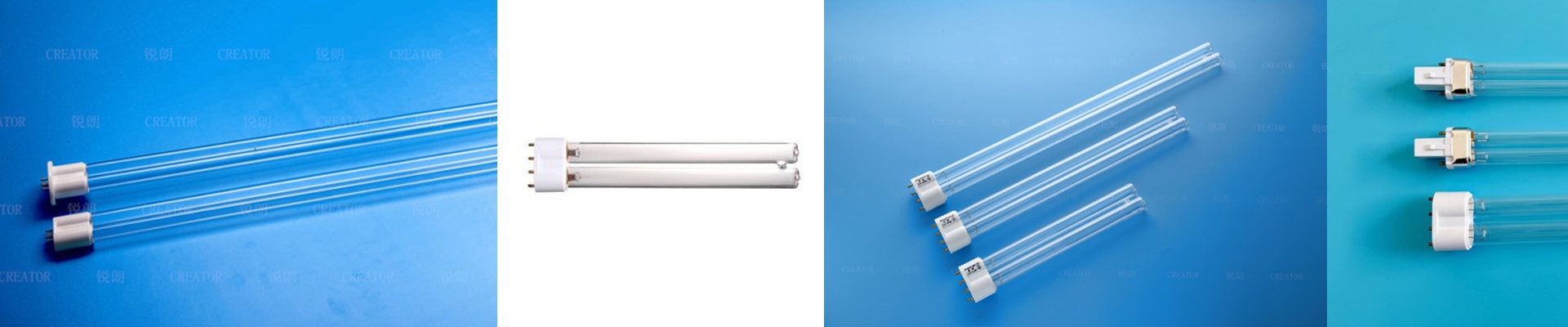
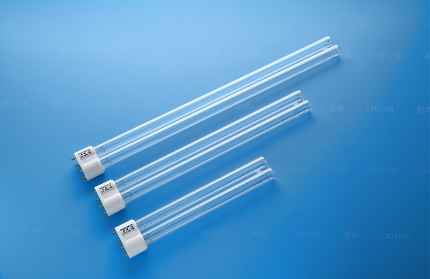
When an M&R or KTK press lamp goes down, you don’t measure the damage in minutes. You measure it in lost makeready, scrapped sheets, and shipments that slip. Slap in a generic replacement that hits the socket but misses the spectral profile, and you’ll know it fast. Ink stays tacky, throughput drops, and you spend your day chasing curing defects instead of running jobs. What actually matters in UV curing It’s not just about wattage. It’s about delivered energy density right at the ink surface. We build our 1:1 direct-replacement lamps to replicate the original mercury-vapor spectral output. That means stable peak irradiance across the 365nm band that actually drives photoinitiator activation in UV offset, flexo, and screen inks. We match the arc length, lamp envelope, and reflector geometry so the focal plane and dose distribution stay consistent. Keep peak irradiance where it needs to be, and you get rapid cross-linking. The system runs with the same dichroic reflector efficiency you expect, so you don’t get hot-spot shifts that cause uneven cure across the print width. Why this plays on an M&R or KTK line On these lines, you need repeatable cure at production speeds. Our lamps deliver the required mJ/cm² at the substrate, so you can keep running at press speed without cranking up lamp power or slowing the line to compensate. You get consistent surface cure and deeper through-cure on coated stocks, with fewer adhesion failures and less residual odor. Energy draw stays aligned with the original design, and lamp life follows a predictable output decay curve, which means fewer unplanned changeouts. A few shop-floor notes Installation is plug-and-play at the electrical and mechanical interface, but verify lamp orientation and reflector condition. Even a small misalignment changes irradiance at the substrate. If you’re considering a switch to UV LED curing, keep this in mind: LED emitters have a narrow spectral window (commonly 395nm) and a different intensity profile. They can be excellent for thin films and specific inks, but they aren’t a direct spectral replacement for broad-spectrum mercury systems across every formulation and substrate stack. Match the lamp to the press, the ink, and the cure window. That’s the only way to get the job done without drama.