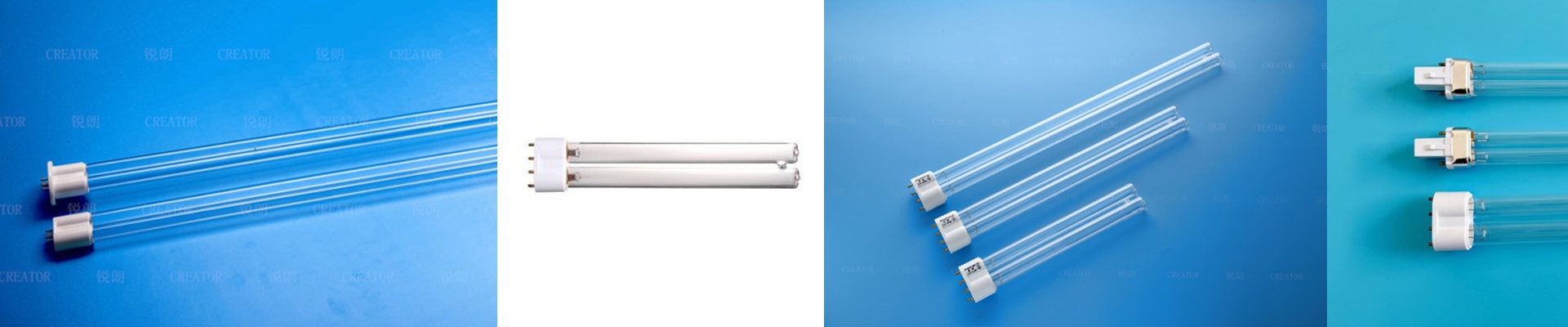
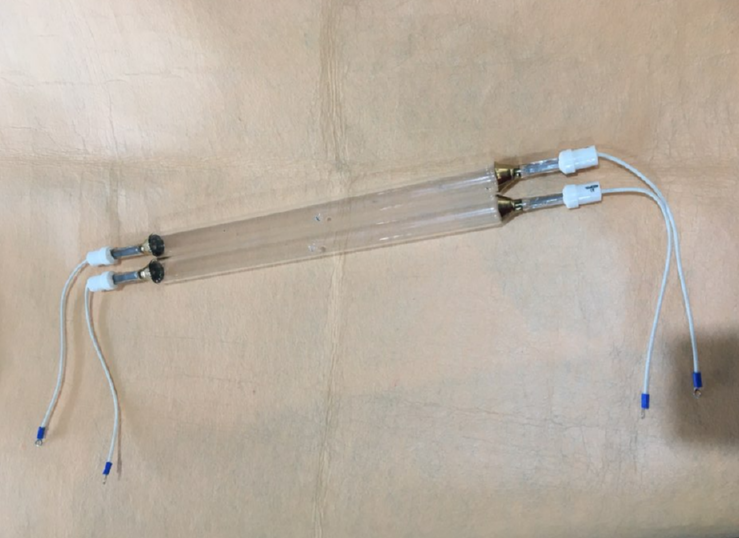
Let’s Talk About the 120W/cm Mercury UV Lamp: Power, Heat, and the Legal Headache
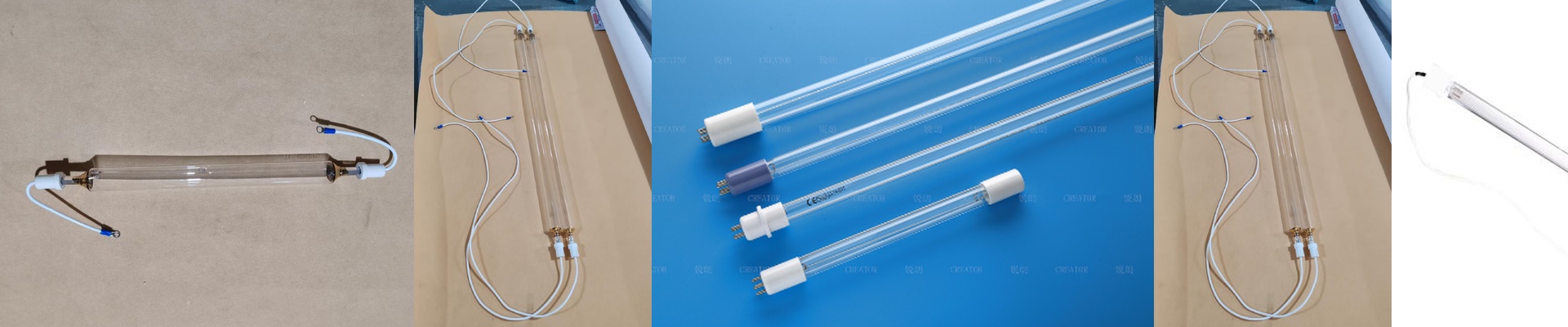
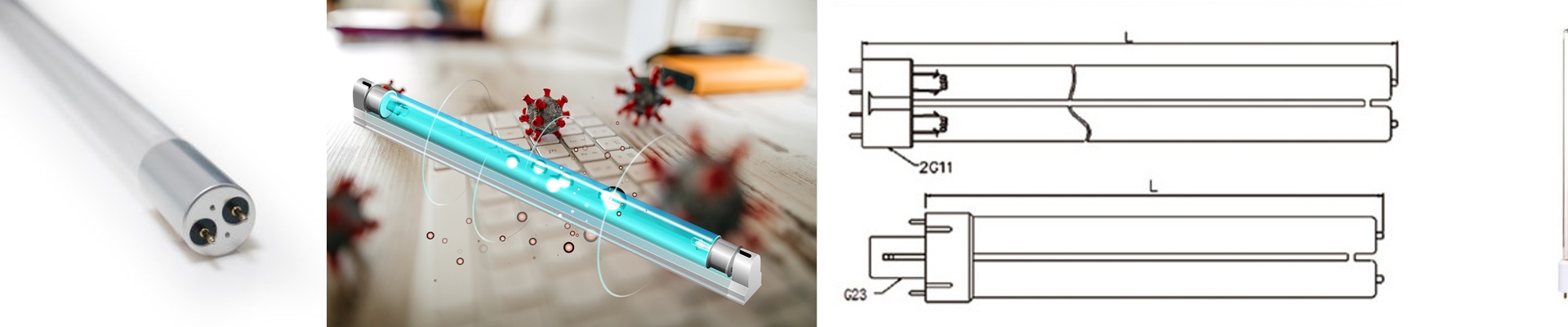
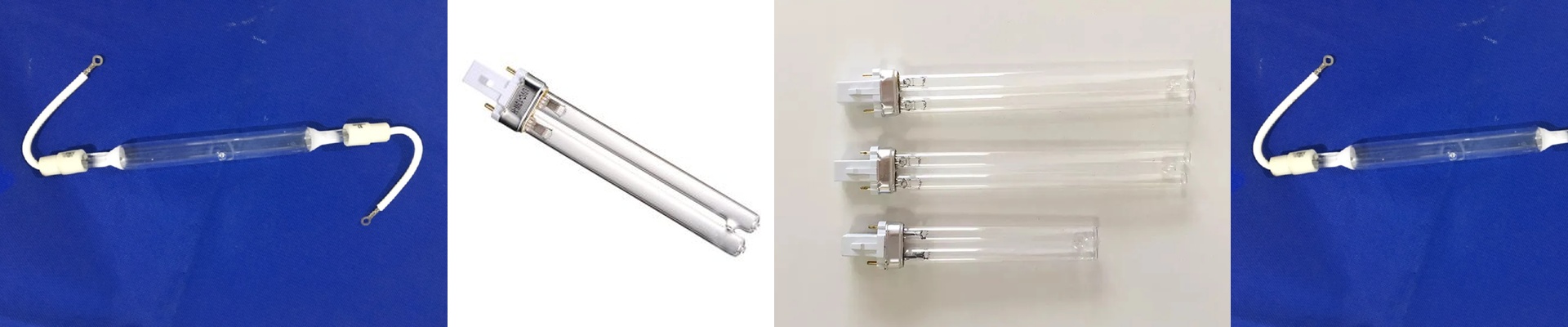
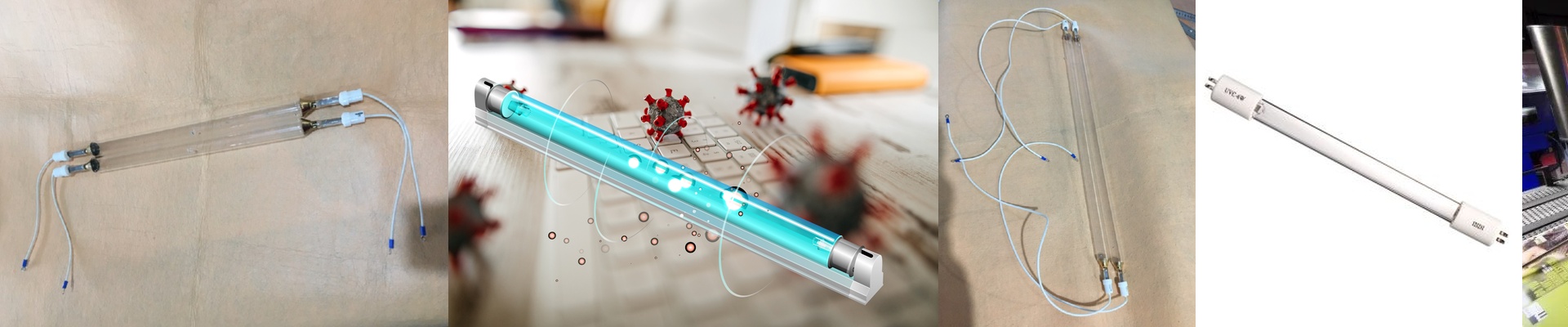
If you’re dealing with high-intensity curing or sterilization, you know the drill. You need a lamp that hits hard and fast to get those industrial coatings to set. That’s where the 120W/cm mercury lamp comes in. But here’s the thing: that kind of power creates a lot of heat. A lot. When you’re pushing this much energy through a quartz envelope, things get hot quickly. If your cooling fans are dusty or your water-jackets aren’t up to the task, you’re going to have a bad time. The quartz can actually warp, and your lamp life will tank. It’s not worth the risk. The struggle with heat and hotspots Concentrating energy at 120W/cm is great for speeding up your PET blowing or ink curing lines. It makes the whole process move faster. To handle that stress, we use high-purity fused quartz. But there’s a catch. If the lamp isn’t sitting perfectly centered in the reflector, you’ll get hotspots. Those little pockets of extreme heat are what kill the bulb prematurely. We spend a lot of time calibrating the electrode positions specifically to stop that from happening. The hidden trap in the supply chain Now, let’s talk about something people usually ignore until it’s too late: IP laws. Buying a UV lamp isn’t just about picking a wattage from a catalog. It’s about who actually owns the design of the electrode and the gas mix inside. A lot of cheap suppliers just copy existing designs. If you build a machine with one of those “copycat” lamps and try to ship it overseas, you’re playing a dangerous game. Customs can—and will—seize your shipment if they flag it for patent infringement. It’s a nightmare that can freeze your entire business. We do things differently. We hold our own patents on the lamp architecture. When you go with us, you aren’t just getting a bulb that works; you’re getting a legal shield. You can ship your gear across borders knowing you won’t get stopped at the dock. Getting it installed These lamps are pretty easy to swap into most standard systems. But don’t just plug and play. The high power density means your ballast has to be a perfect match for the lamp’s impedance. If the ballast is underrated, the lamp might flicker or just refuse to strike. One last tip: check your wiring. Make sure your connectors are spotless. A little bit of grime can cause arcing at the pins, and that’s a shortcut to a broken system.