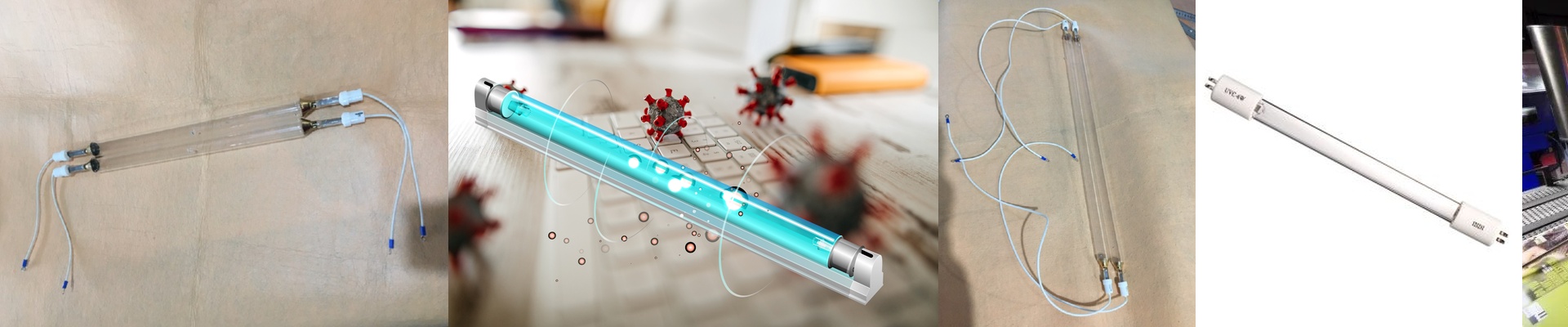
Let’s Talk High-Pressure Mercury UV Lamps: Getting Your OEM Specs Right for 2026
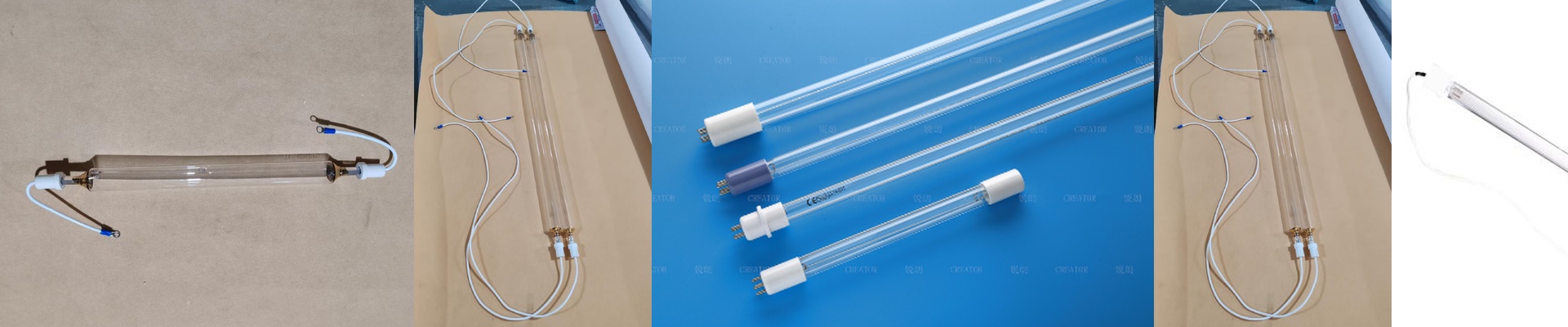
Look, high-pressure mercury lamps are the heavy hitters of the industrial world. Whether you’re blowing PET bottles or running high-speed coating lines, these tubes do the dirty work. If you’re planning to launch your own brand using our OEM services, you don’t need a PhD in physics—but you do need to know how the specs actually play out in the real world.
Power, Voltage, and the Heat Problem
It usually starts with a simple question: how much UV light do you actually need hitting your product? Sure, cranking up the wattage gives you more punch, but it also turns the lamp into a space heater. That’s where things get tricky. When you pick a voltage—say 400V or 600V—you’re basically deciding what kind of ballast you’ll need. You can’t just plug these into a wall socket and hope for the best. They need a very specific “strike” to get that mercury vapor moving. And here is the catch: if your cooling system can’t keep up with that heat, your tubes are going to burn out way faster than they should. It’s a frustrating way to lose money.
Why the Glass Actually Matters
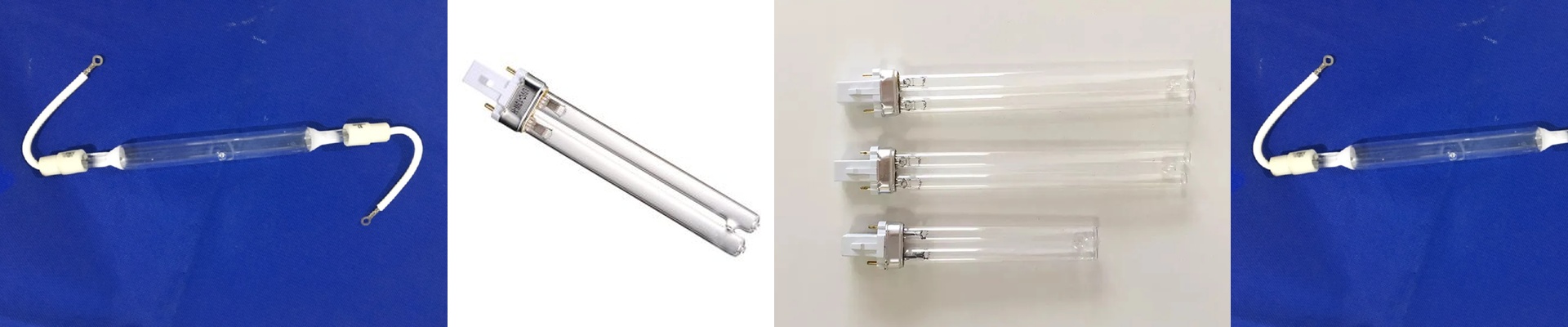
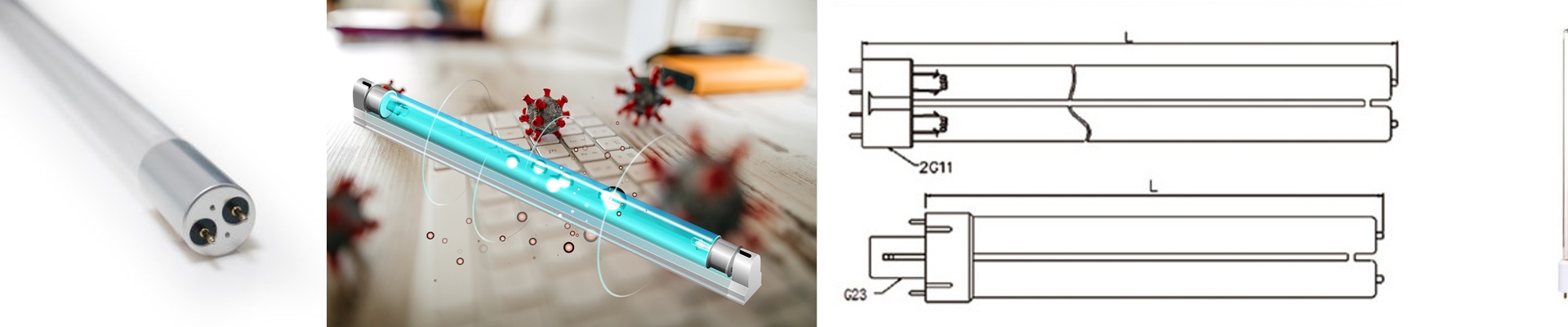
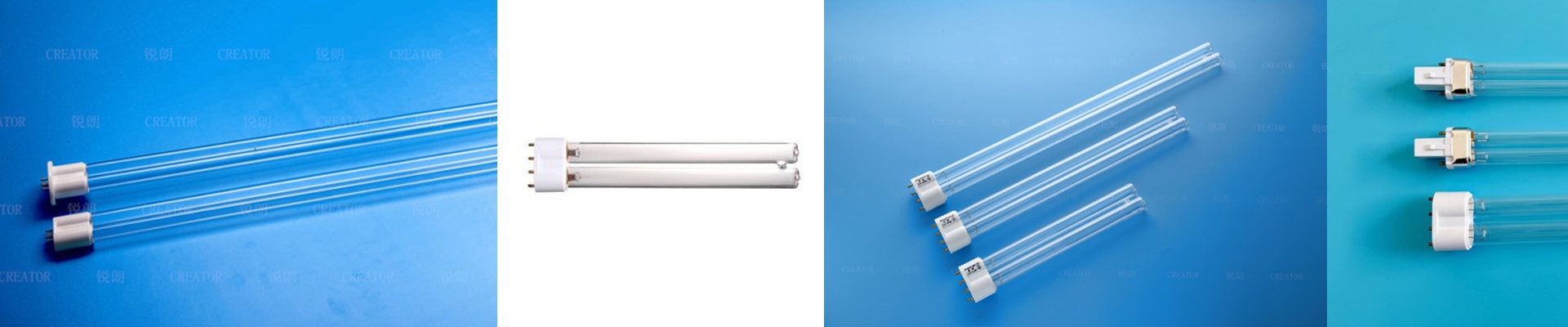
This is where the cheap stuff falls apart. We use high-purity fused quartz because it lets the UV-C light through without fighting it. For some of our partners, we even add doped coatings to tweak the light spectrum. It’s a clever trick—it keeps the lamp from melting your product while still curing the resin perfectly. We also know that fitting a new lamp into an old machine can be a nightmare. That’s why we offer everything from basic pinch-seals to custom connectors. It should just slide in. No custom machining, no headaches.
The Great Trade-Off
Here’s the honest truth about customizing your brand: you’re always balancing raw power against how long the lamp lasts. If you push a lamp to its absolute limit, it’s going to die sooner. It’s just how it works. We spend a lot of time with our clients figuring out that “sweet spot” where you get the performance you need without replacing bulbs every five minutes. You handle the branding and the packaging. We take care of the gas fills and the electrode metallurgy. You wire it up, and we make sure the arc stays rock solid. It’s a simple way to get your own product into the market without having to build a factory from scratch.