Getting Your UV Systems Right in Textile Production
Most people think UV lamps are just for drying ink. But in a real textile shop, they’re more like the secret ingredient that holds everything together—from the first raw fabric treatment to the moment a garment hits the rack. What’s actually happening is a bit of chemistry called photopolymerization. Basically, the UV light hits the resins, dyes, or coatings and tells them to harden instantly.
Getting the Light Just Right
We don’t just throw a random bulb at a problem. That doesn’t work. If you’re dealing with thick coatings that need to cure all the way through, we go with longer UV-A waves. But if you’re just doing a quick flash cure on a screen print, we shift toward UV-C. Then there’s the speed of your line. If your conveyor is flying at 20 meters per minute, you need a lot more punch (irradiance) to make sure the fabric doesn’t come out feeling tacky. But here’s the tricky part: you can’t just crank up the power. If you pack too much wattage into a small space, you’ll scorch your synthetic fibers. It’s a balancing act.
The Nitty-Gritty Hardware
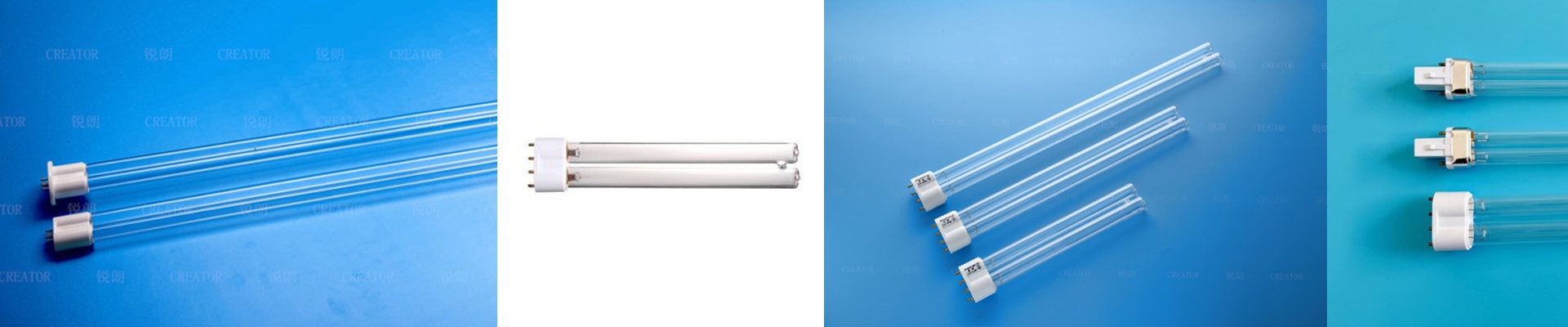
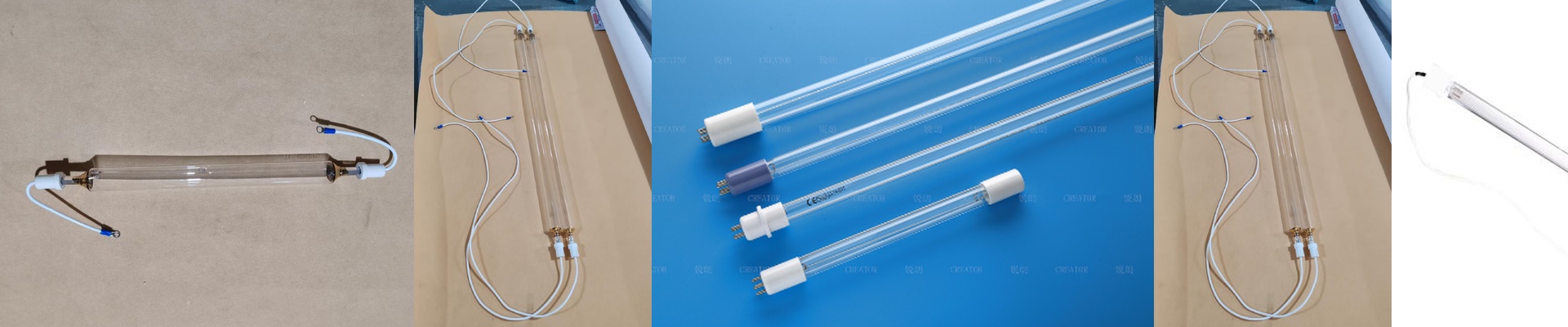
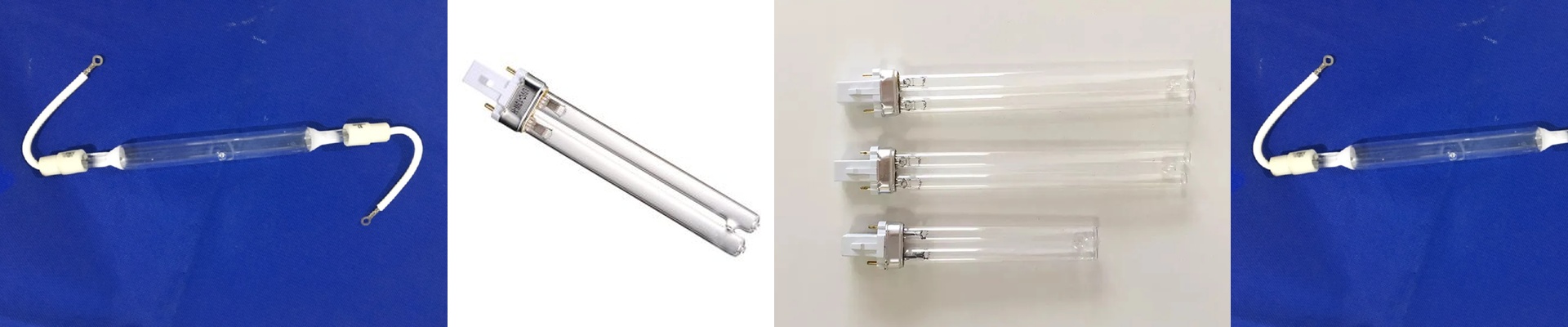
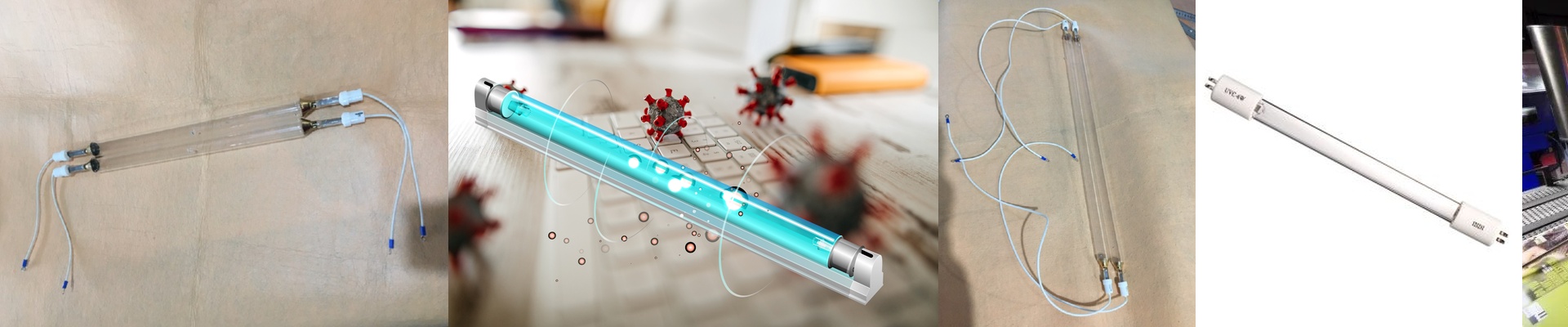
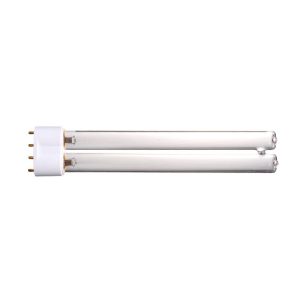
We use quartz glass for these lamps. Why? Because regular glass blocks the very waves you’re paying for. We also obsess over the connectors. Factories are loud and they vibrate. A lot. We use heavy-duty pins so nothing rattles loose while you’re in the middle of a big run. And a quick tip on the electrical side: keep your power supply stable. Voltage spikes are killers—they’ll fry your electrodes way too soon. You’ve got to match the ballast to the lamp’s wattage perfectly, or you’ll deal with flickering and constant failures.
The Heat Struggle
Here is the thing about high-output UV lamps: they get hot. Really hot. While the UV light is busy curing your ink, the infrared heat coming off the lamp can be a problem. It can warp thin plastic parts or, worse, shrink your fabric. That’s why you can’t skip the cooling system. Whether you go with forced air or water-cooled jackets, you need a way to keep the temperature under control. Otherwise, you’re just risking your material.