Why Wavelength Control Actually Matters in UV Lamps
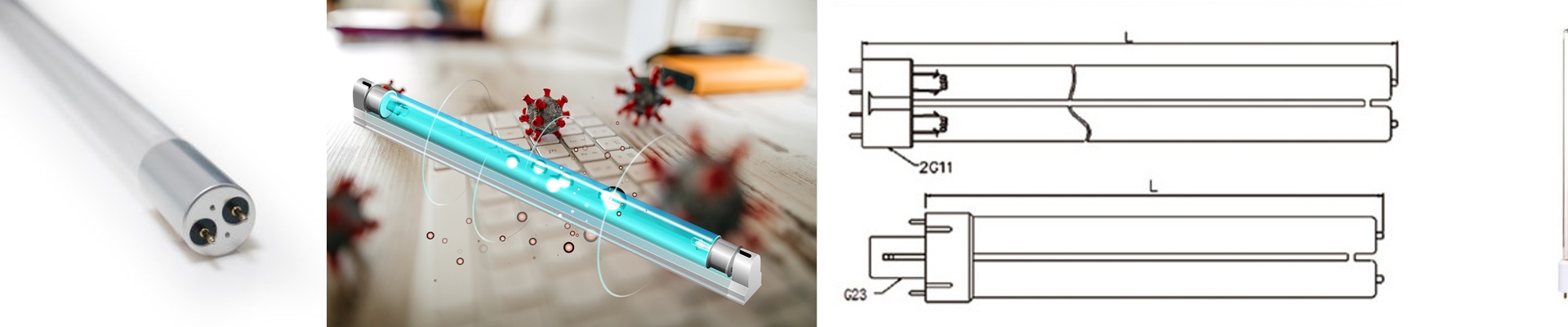
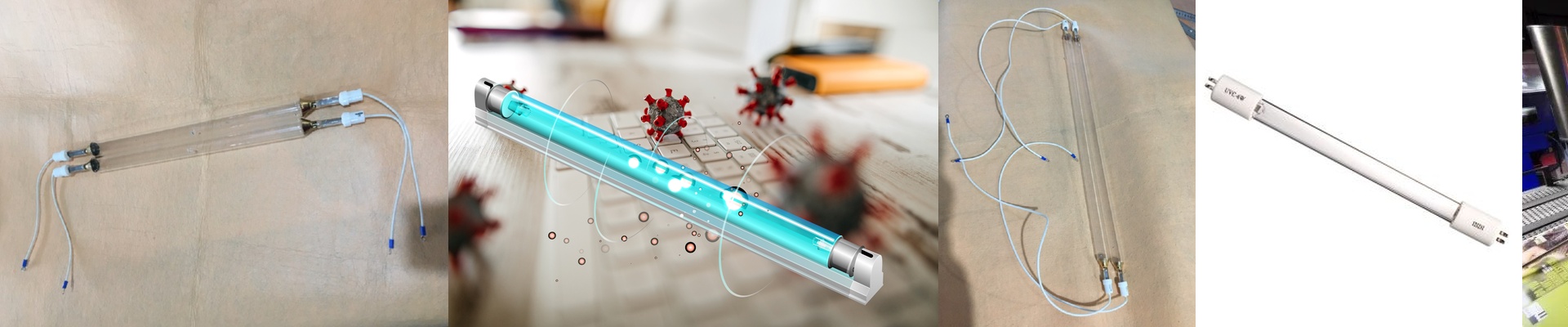
In our world, a few nanometers are the difference between a product that’s perfectly cured and one that’s a total waste of materials. Most lamps you buy off a shelf just drift. They aren’t precise. We do things differently. We obsess over those narrow spectral lines—like that 253.7nm peak for germicidal work or the broader UVC/UVB bands used in industrial curing.
Getting the light right
To keep a wavelength stable, you have to be picky about two things: gas pressure and the quartz envelope. We use high-purity synthetic quartz. Why? Because of “solarization.” That’s when the glass starts to cloud over and blocks the UV light. If you use cheap quartz, your output will tank even if the lamp is pulling full power. It’s frustrating, and it’s avoidable. Then there’s the balance between mercury vapor and inert gas. We get this mix just right so the lamp doesn’t burn out the second you hit a high-wattage cycle. The result is a steady flow of photons from one end of the tube to the other. No dead spots.
Heat, hardware, and the “don’ts”
Generating high-intensity UV creates a lot of heat. A lot. To stop the seals from popping under all that thermal expansion, we use reinforced end-caps. They hold. But we can’t do all the work for you—you’ve got to handle the cooling. If your airflow is weak, a lamp running at peak intensity will literally cook its own sockets. We’ve seen it happen. People ignore the cooling specs and end up with charred connectors and a dead system. Please, don’t do that. Also, make sure your housing is wired for the right voltage drop. Nobody likes a flickering lamp.
Making it work in the real world
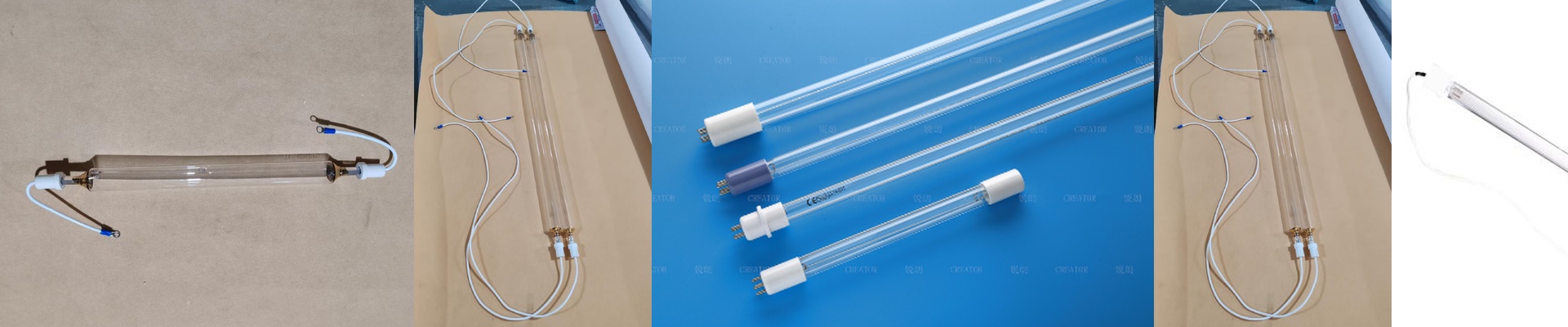
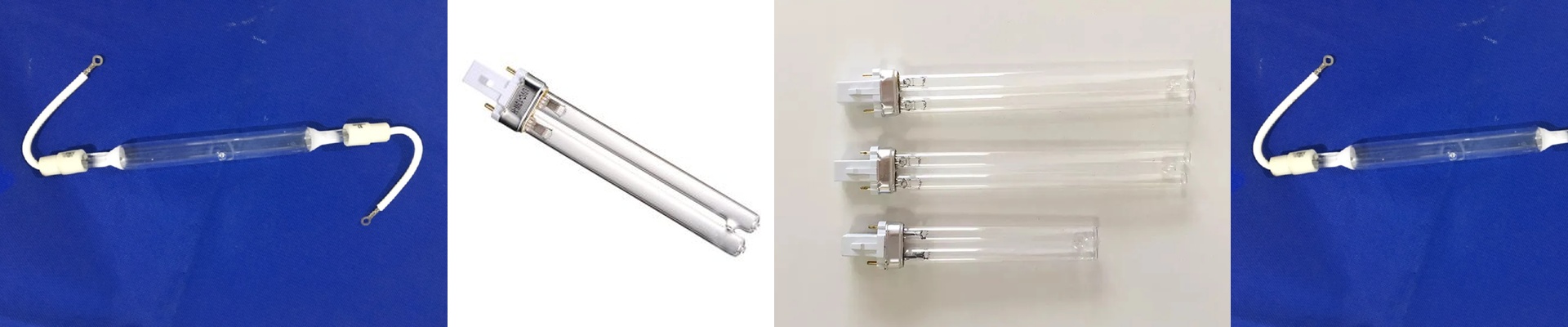
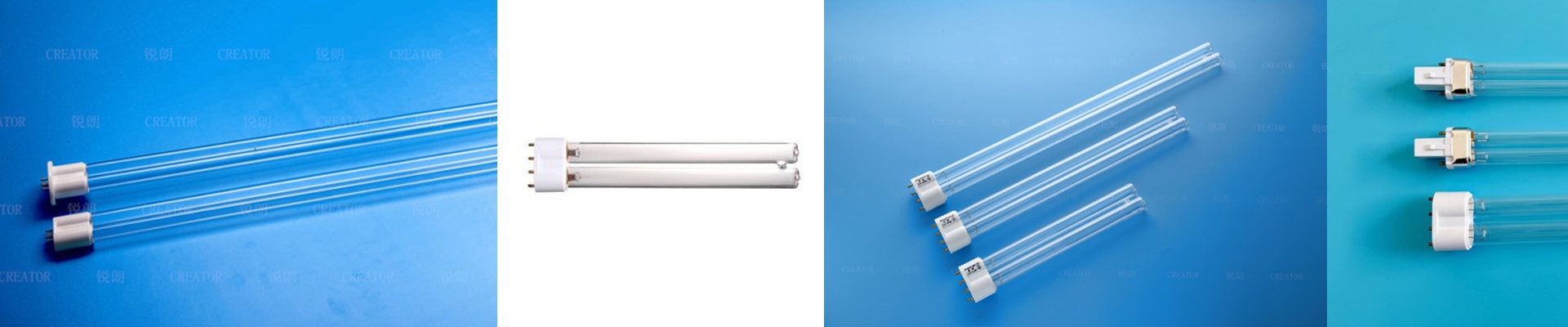
We designed these to be drop-in replacements for most industrial UV racks. We kept the footprints standard because nobody wants to rebuild their entire chassis just to swap a bulb. Since we lock in the wavelength at the factory, you don’t have to spend your afternoon recalibrating sensors every time you put in a new lamp. You just plug it in, check the irradiance, and get back to work. Simple.