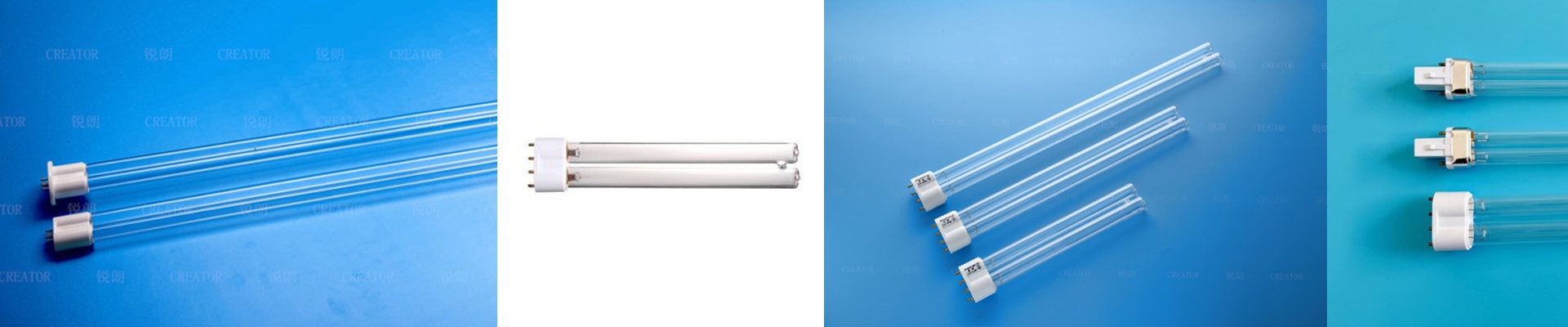
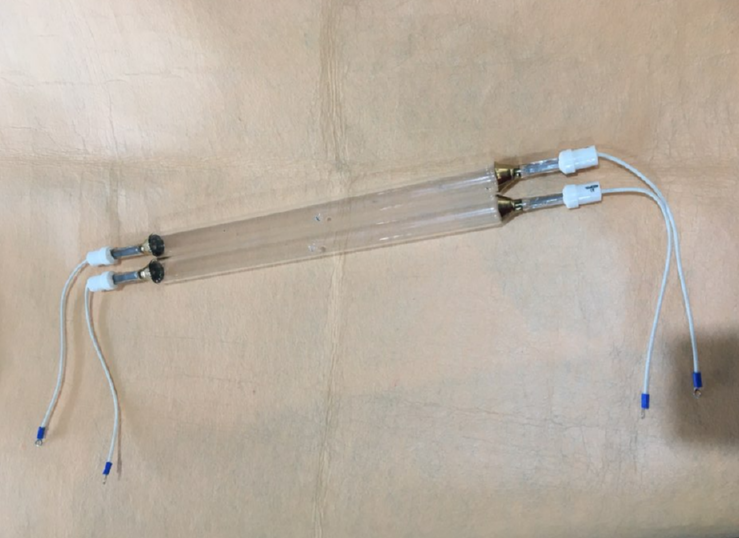
15 Years in the Trenches: How we actually build a high-output UV lamp
We spent 15 years working as an OEM factory before we finally decided to put our own name on the box. Here is the truth: almost every UV lamp on the market claims “high output.” But if you’ve been in this business, you know that’s usually just marketing. In the real world, the only things that actually matter are the purity of the quartz and how the electrode is welded. We build our lamps to hit the same tight tolerances as the big international brands because that’s the only way to get a consistent cure. The physics of not burning out UV curing is all about stability. If your spectral output jumps around, your product suffers. We spend a lot of time obsessing over the relationship between wattage and tube diameter. Why? Because if you cram too many watts into a tube that’s too narrow, the internal pressure spikes. It’s a death sentence for the lamp. We balance the gas mixture and the electrode spacing so the arc stays dead center. When the arc is centered, you get consistent light across the entire width of your line. No dead spots. No guesswork. Picking materials that actually last We use high-transmittance fused quartz. Most standard glass just blocks UV-C and UV-B rays, turning that energy into heat instead of letting the light through. Our quartz lets the shortwave radiation pass right through. Then there are the electrodes. These are usually the first things to fail. We use specialized alloys to stop “sputtering.” If you’ve ever seen a dark film build up inside a tube, that’s sputtering. It kills your UV output over time. We also spent years refining our sealing process. There’s nothing worse than a lamp popping in the first few hours of use because of a tiny air leak. We fixed that. Making it work in your shop Our lamps are designed to be simple drop-in replacements. You can wire them into your existing ballasts and they just work. No headaches with impedance mismatches. But a quick heads-up: high-intensity UV lamps get hot. Really hot. While our quartz can take the heat, your conveyor’s cooling system needs to be up to the task. If the lamp overheats, the mercury vapor pressure shifts and your curing speed drops. Keep the airflow steady, and the lamps will keep performing.