Let’s Talk About Building UV Lamps That Actually Last
We spent 15 years figuring this out. We started with basic white-label stuff, but we wanted more. We wanted to build UV lamps that could go toe-to-toe with the biggest brands in the world. If you’re building a product and need UV integration, you know it’s not just about making a bulb glow. It’s about hitting a specific energy target and making sure the thing doesn’t melt or flicker after a few thousand hours of work.
The tricky part: Power vs. Length
Here is where most people trip up: trying to cram too much wattage into a tube that’s too short. When you do that, you get these nasty hot spots. Those hot spots kill the filament way faster than they should. We spend a lot of time balancing the voltage and current so the UV output stays flat from one end of the lamp to the other. It means your curing is consistent across the whole line, no weird patches or under-cured spots.
The guts of the build
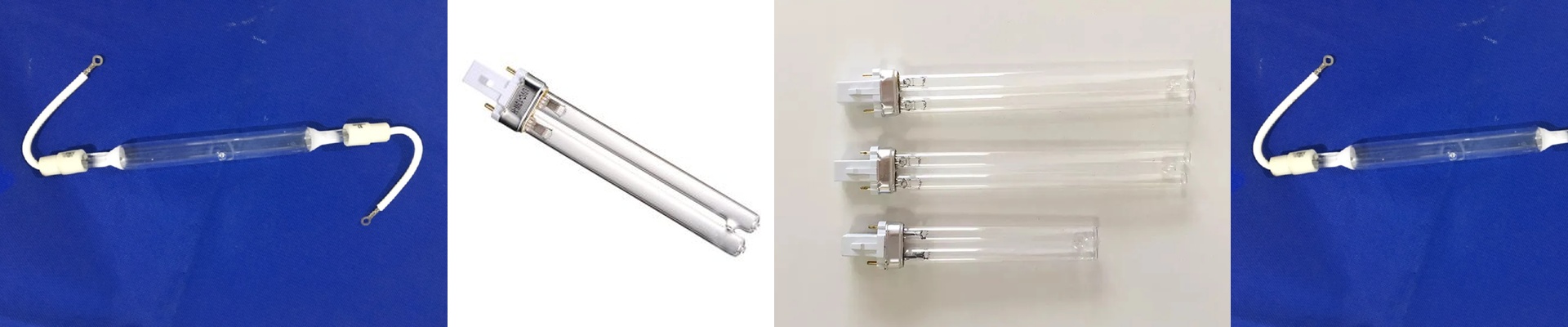
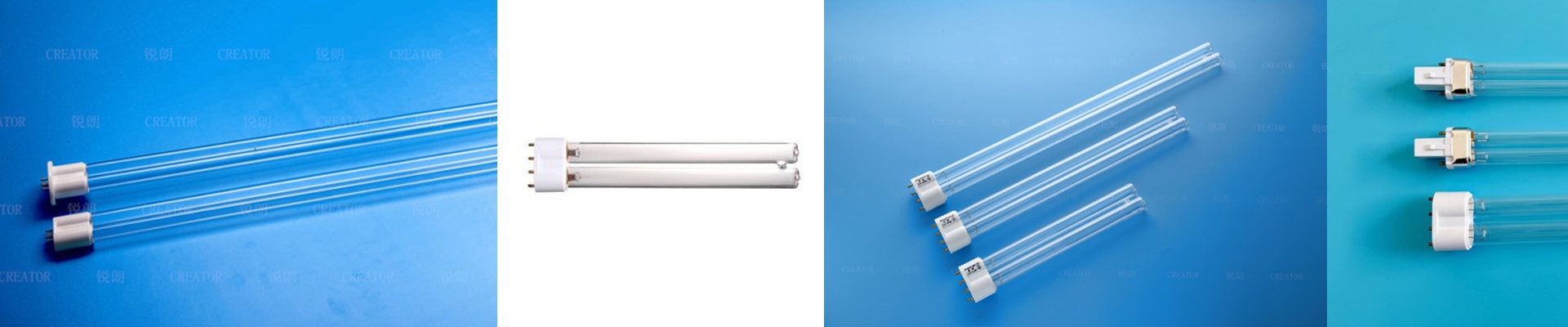
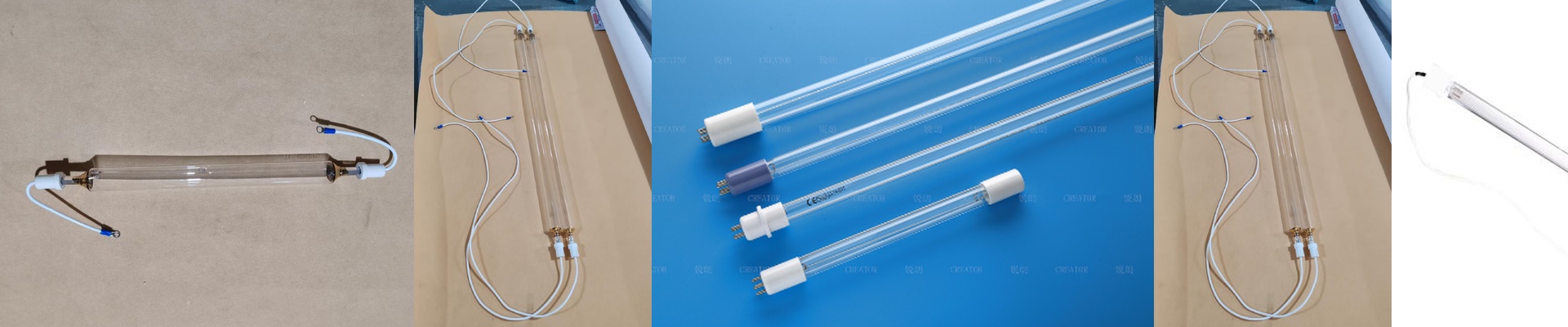
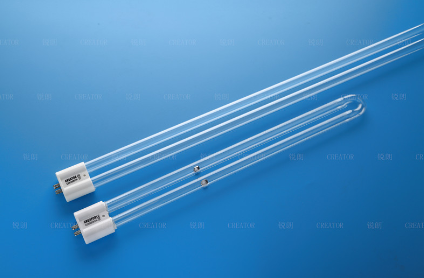
We use high-purity fused quartz. Why? Because standard glass is basically a wall that blocks the short-wave radiation you actually need to get things to polymerize. And we can tweak the spectral output with different dopants depending on what you’re actually trying to cure. Then there are the connectors. Honestly, this is where so many lamps fail in the field. You see oxidized pins or loose contacts, and suddenly the whole system is down. We use industry-standard interfaces so our lamps just slide right into your existing setup. Plus, we build the terminations to handle the “breathing”—that constant expanding and contracting every time you flip the power switch.
The heat problem
Let’s be real: high-intensity UV lamps get hot. Really hot. If you’re stuffing a 1000W+ array into a tight box, your cooling has to be spot on. If the airflow isn’t there (or your water-cooling is weak), the quartz tube overheats. That shifts your spectral peak and kills the lamp’s lifespan. We don’t want you guessing. We’ll give you the raw thermal data so you can build your housing right the first time and avoid a meltdown later.