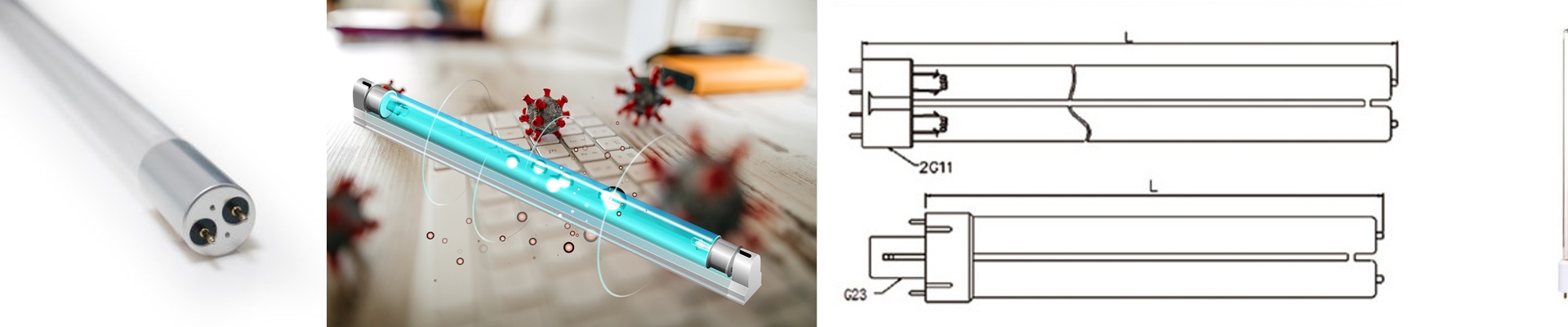
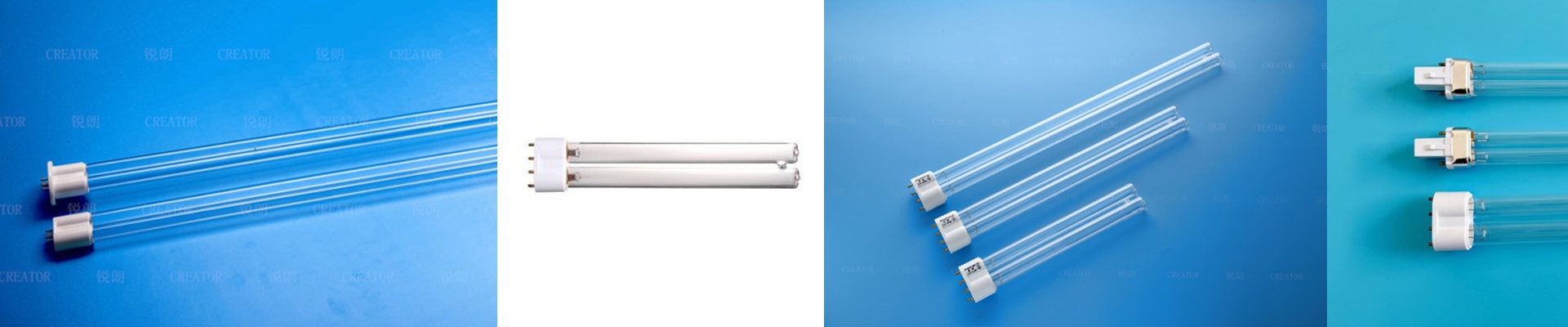
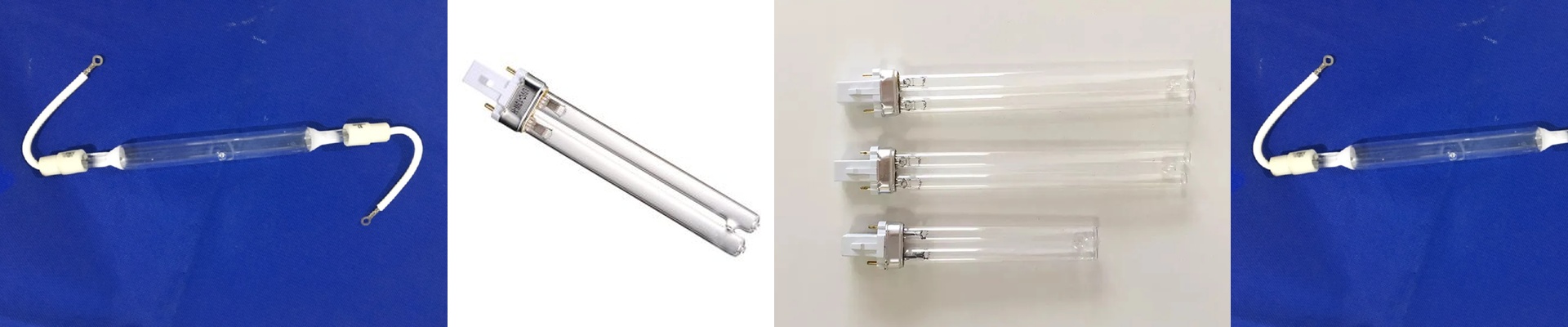
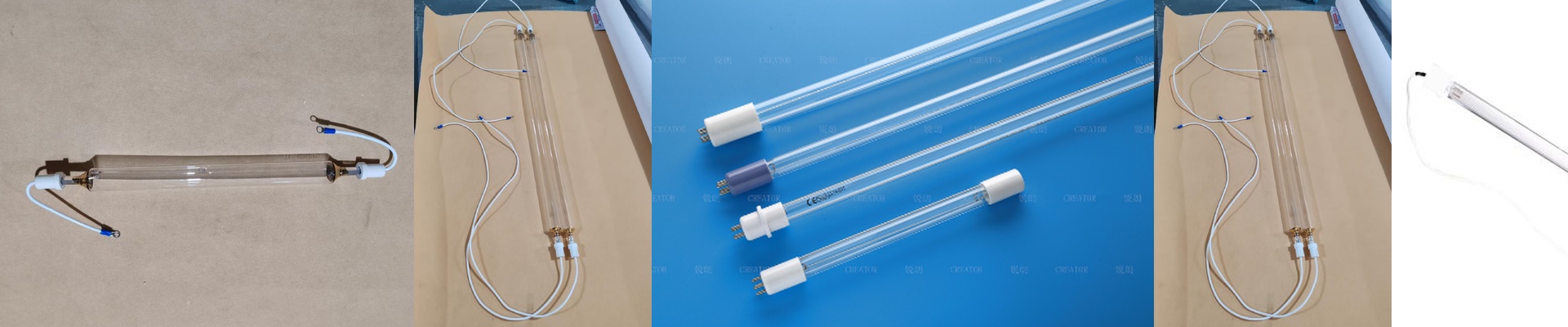
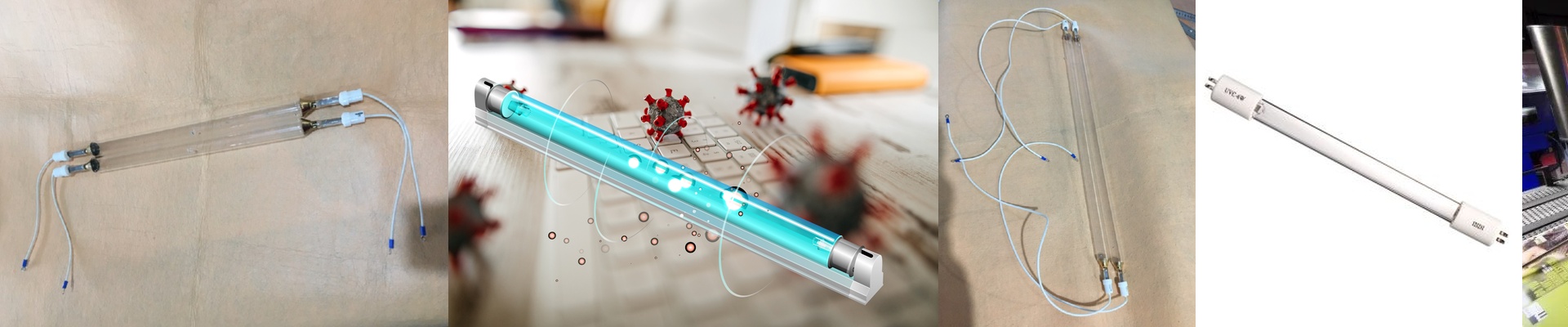
Getting Your Gallium Iodide Lamps Right
We spent some time visiting about 3,000 printing plants. We wanted to see where UV systems actually fall apart in the real world. The biggest headache? That constant tug-of-war between curing speed and heat. Most people just try to throw more wattage at the problem, but that’s a mistake. The real secret is focusing on the spectral output and how you handle the heat.
Why Gallium Iodide Matters
Think of gallium iodide lamps as the bridge. Standard mercury lamps are great for short-wave peaks, but gallium hits that sweet spot between 300nm and 350nm. That’s exactly where most modern photoinitiators wake up. If you’re dealing with thick ink or heavy pigments, you need that deeper reach. Without it, you get “surface curing”—where the top looks dry and shiny, but the bottom is still a gooey mess. Nobody wants to deal with that.
The Trade-offs (And How to Handle Them)
We build these lamps to survive the chaos of a fast-moving press. All the vibrations, the heat spikes… it’s a lot. That’s why we use high-purity quartz. If the glass is cheap, it “solarizes”—basically clouds over—and your output drops. But here is the tricky part: power density. Sure, a high-wattage lamp cures fast. But it can also warp your thin plastics or scorch your paper in a heartbeat. You’ve got to tune the length and wattage to match your actual line speed. And please, check your cooling. Whether it’s chilled water or air, it needs to actually move the heat away. If the lamp runs too hot, the gallium degrades. You’ll find yourself swapping tubes every few weeks instead of every few months, which is a nightmare for your budget.
Making it Work on the Floor
The good news is these are designed to be drop-in replacements. They should slide right into your existing UV arrays. We kept the footprint tight so they fit into standard reflectors without clipping. Just make sure your alignment is spot on. If they’re crooked, you’ll get those annoying “zebra stripes” or uneven curing across the web. One last tip: use a stable power supply. Any flicker at all leads to inconsistent cure depths, and that’s just more wasted material.