Getting Your PCB Curing Right with Gallium Iodide Lamps
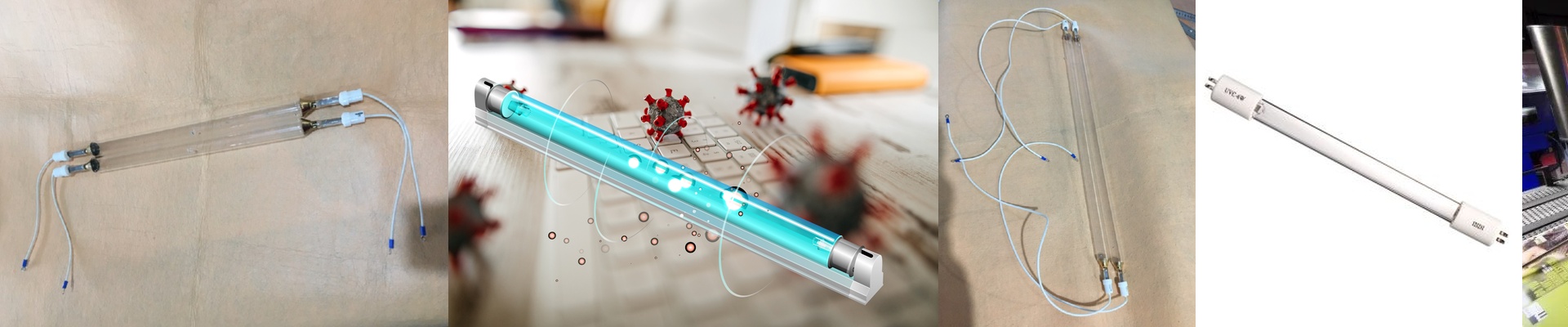
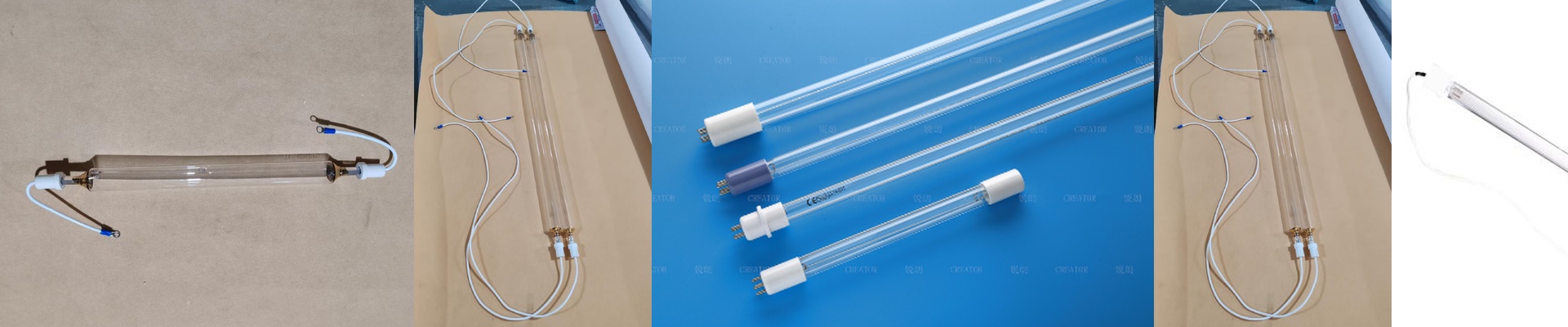
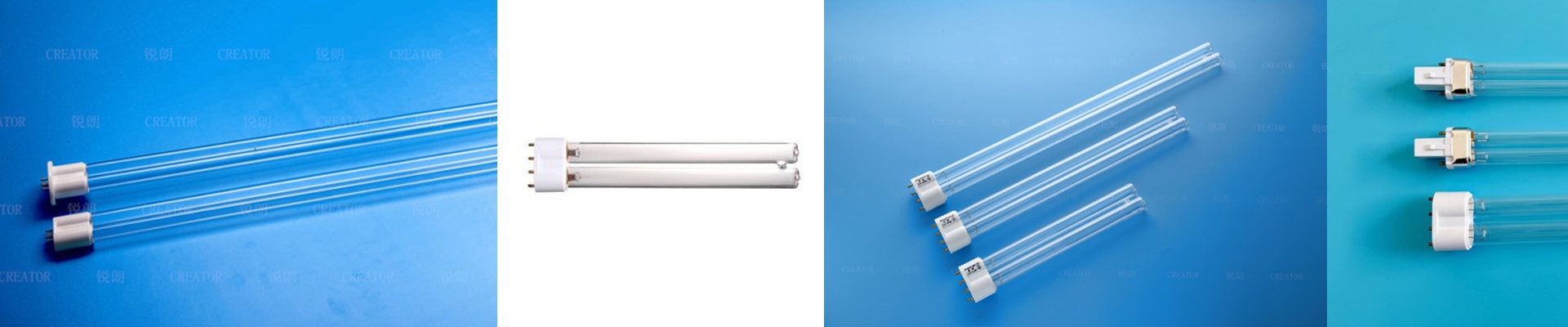
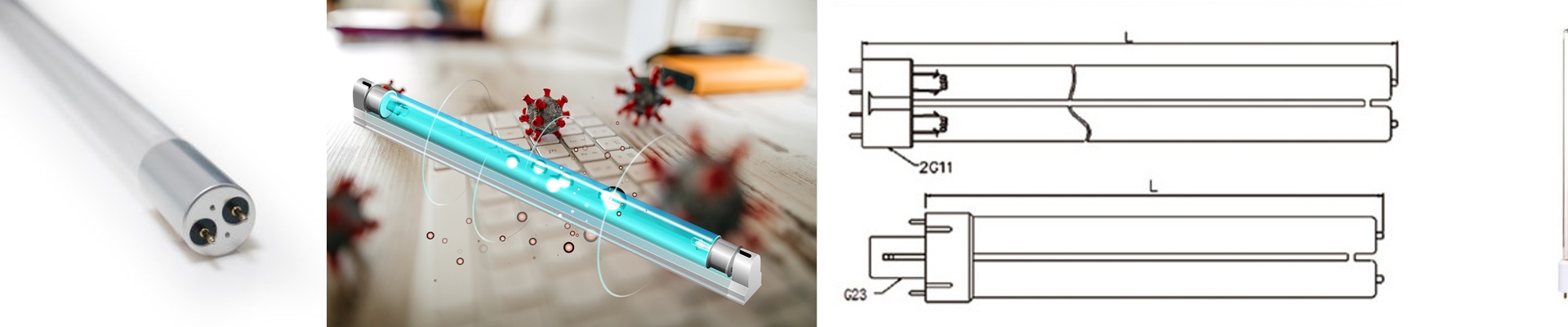
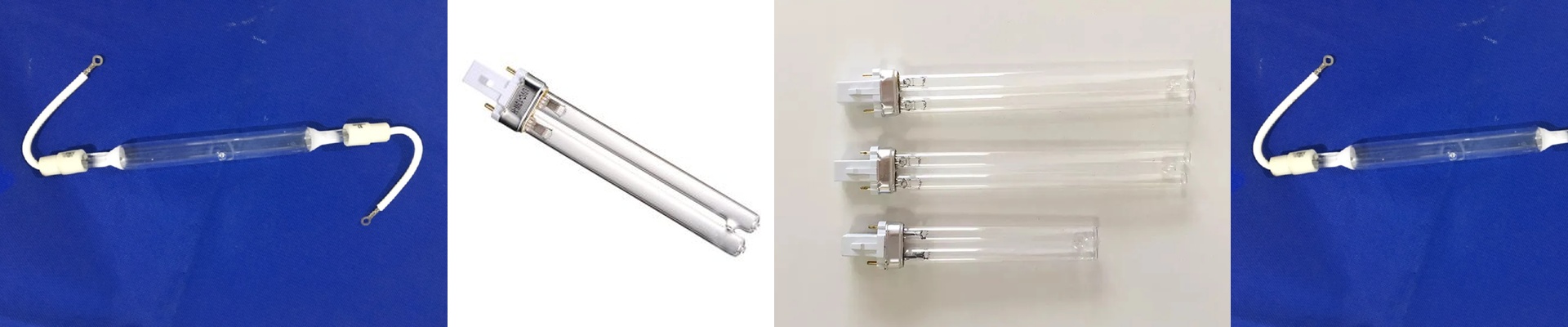
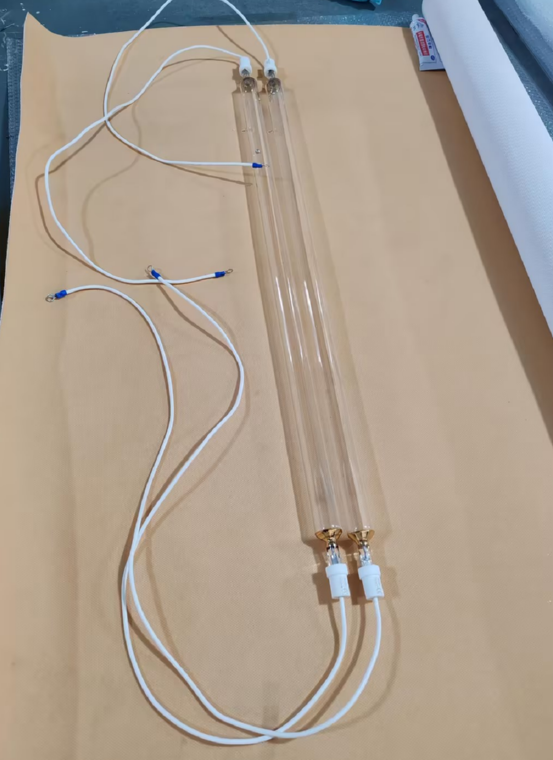
If you’re running a PCB line, you know the drill. You need your photoresists to harden fast, and they need to do it perfectly. That’s where gallium iodide lamps come in. They aren’t your run-of-the-mill mercury vapor tubes; they hit the UV spectrum with a kind of intensity that really digs into those chemical bonds to lock everything down quickly. The secret is in the depth. We build these lamps to hit very specific wavelengths. The goal is to get the UV light to penetrate deep into the resist layer, not just skim the surface. When you’re picking these for your line, keep an eye on the power-to-length ratio. You want a consistent cure across the whole board. If the wattage dips too low, you’ll end up with “soft spots.” And trust me, nobody wants to deal with the headache of etching failures because of a weak lamp. Then there’s the hardware itself. We use high-purity fused quartz for the envelope because standard glass just won’t cut it. If you use the cheap stuff, the tube “solarizes”—it turns brown, blocks the UV, and becomes a paperweight. We also beef up the electrodes. These lamps go through a lot of thermal stress every time they kick on and off. It’s a beating. Just keep in mind that the intensity will fade as the lamp gets older. A good rule of thumb? Check your mW/cm² output every 500 hours. It takes two minutes, and it saves you from scrapping a whole batch of boards. A quick heads-up on the setup. You’ll need a stable ballast to keep things running smooth. But here is the thing: gallium iodide lamps gethot. Really hot. They’re faster than LEDs, but that heat can actually warp thin substrates if your conveyor belt is crawling. You’ve got to find that sweet spot between your line speed and the heat coming off the lamp. If you decide to crank up the wattage to push more boards through the door, make sure your exhaust hoods can actually handle the heat. Otherwise, you’re just baking your PCBs.