Gallium Iodide Lamps: More Than Just a Light Bulb
Most people look at a curing lamp and see a basic bulb. But if you’re in the weeds of production, you know it’s more like a precision tool. We don’t just sell tubes; we’re giving you a way to hit those exact chemical triggers in your polymers and adhesives. It’s all about the wavelength.
Getting the Physics Right
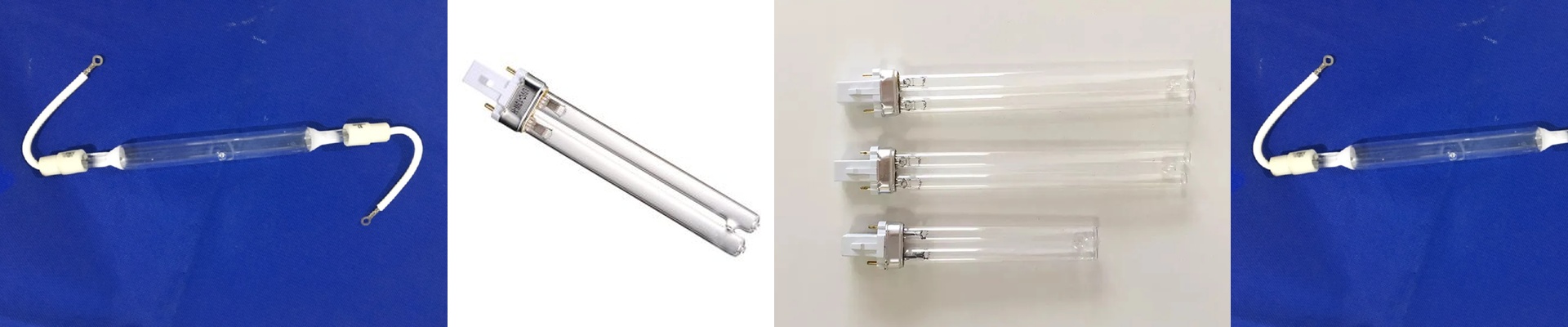
Here’s the thing about gallium iodide: it shifts the light spectrum. Standard mercury lamps have their limits. GaI lamps, on the other hand, push a strong peak into the visible and near-UV range. This is a lifesaver when you’re dealing with thick coatings or pigments that usually act like a wall, blocking out shortwave UV. We calibrate these so the energy actually reaches the substrate right where the photoinitiator is waiting to react.
The Nitty-Gritty of the Build
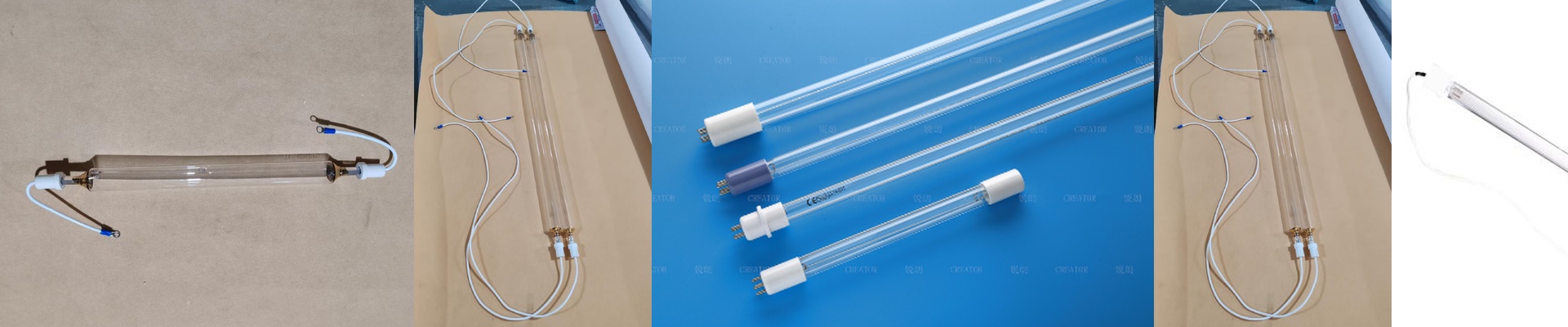
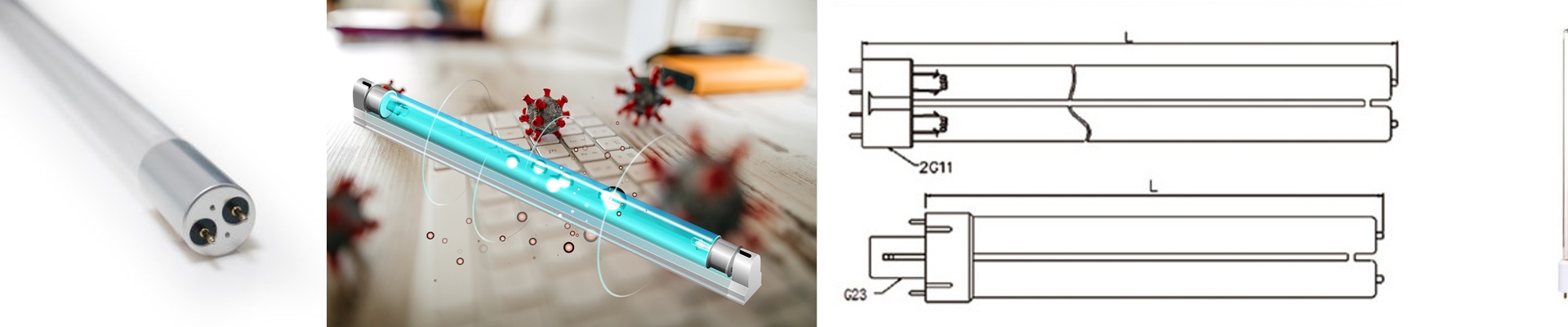
These things take a beating with high-temperature cycles, so we build them to last. We pick the quartz envelope based on how well it lets specific nanometer bands pass through. But a word of warning: if you’re putting these on a high-speed line, keep an eye on the heat. High-wattage GaI tubes gethot. Really hot. If your cooling system can’t keep up, you’re looking at burnt-out bulbs and warped reflectors. It’s just not worth the risk.
Putting Them to Work
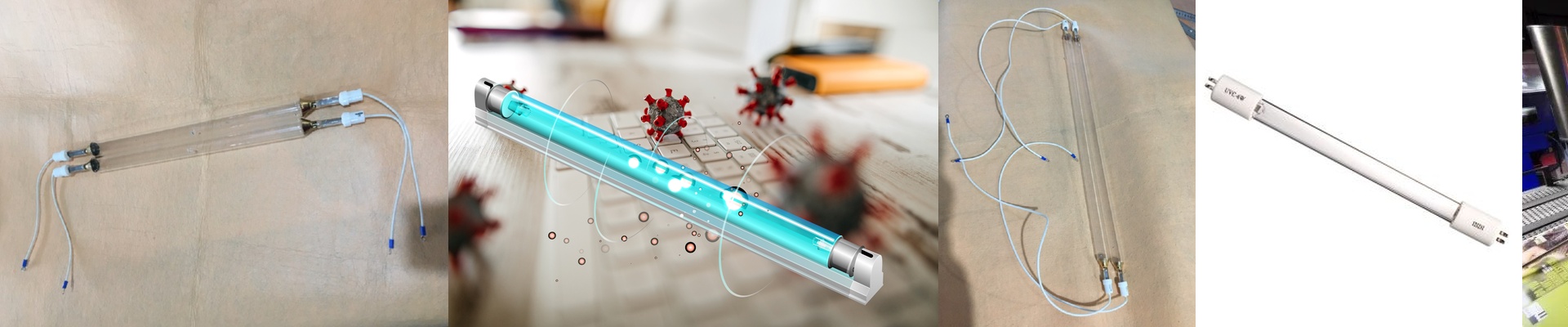
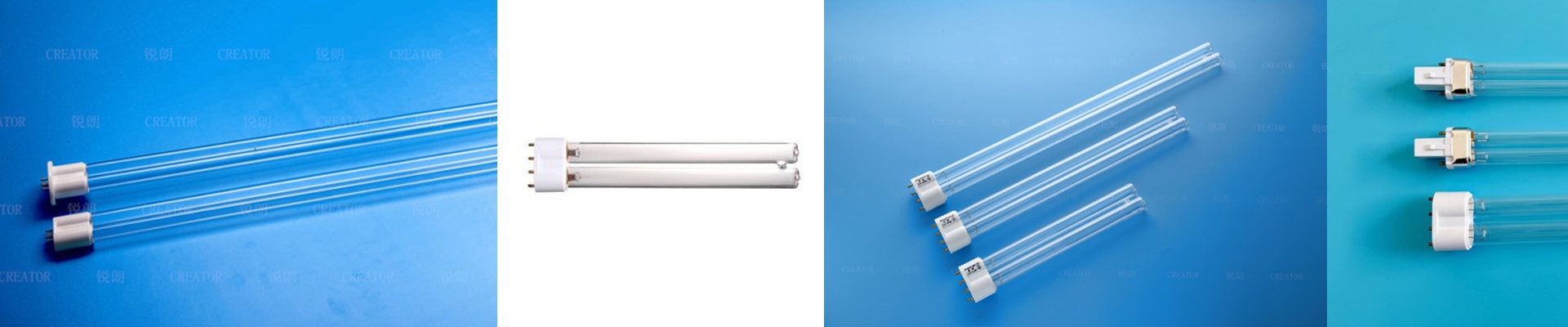
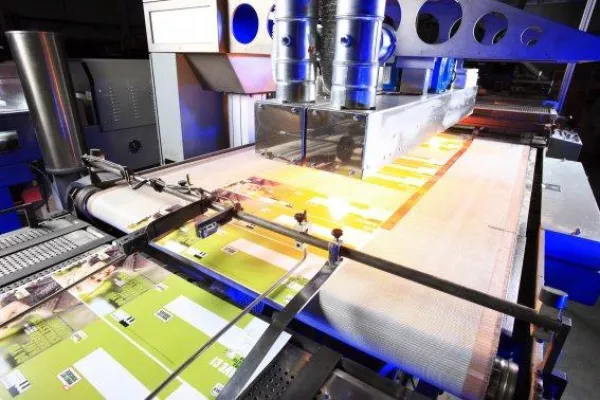
We designed these to be drop-in replacements. Whether you’re running a pharma line or slapping together automotive parts, they fit right into your existing curing tunnels. Just hook them up to a stabilized power supply so you don’t have to deal with annoying flickers or voltage spikes. Now, these aren’t a magic wand for every single resin. You’ve got to match the lamp’s output to your specific photoinitiator. If the wavelengths don’t line up, you’ll end up with a tacky, sticky surface—no matter how much power you throw at it. That’s why we give you the data sheets first. Check the peaks, match them up, and then install the hardware.