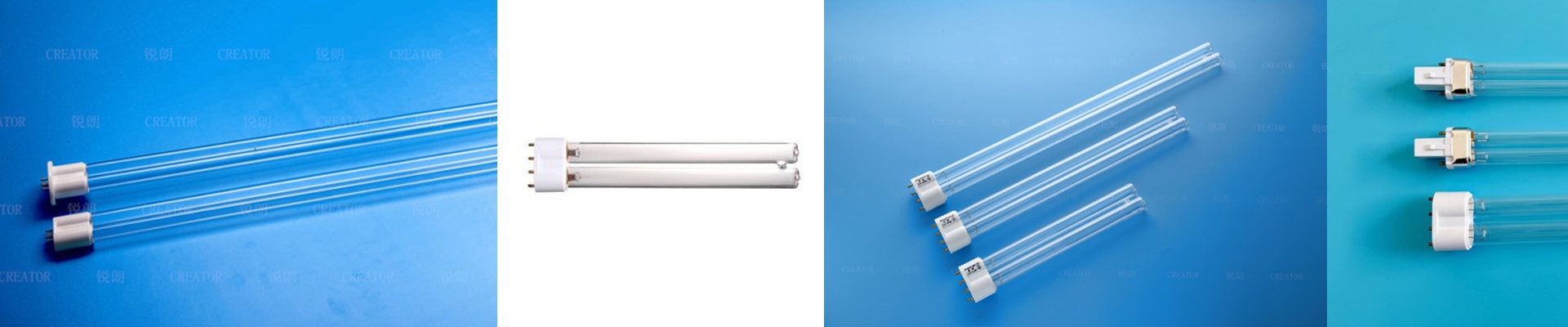
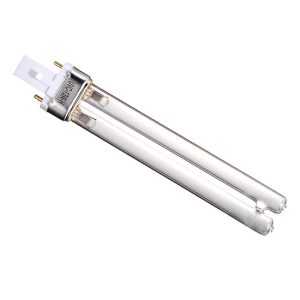
Getting Your UV Lamps to Actually Work in the Real World
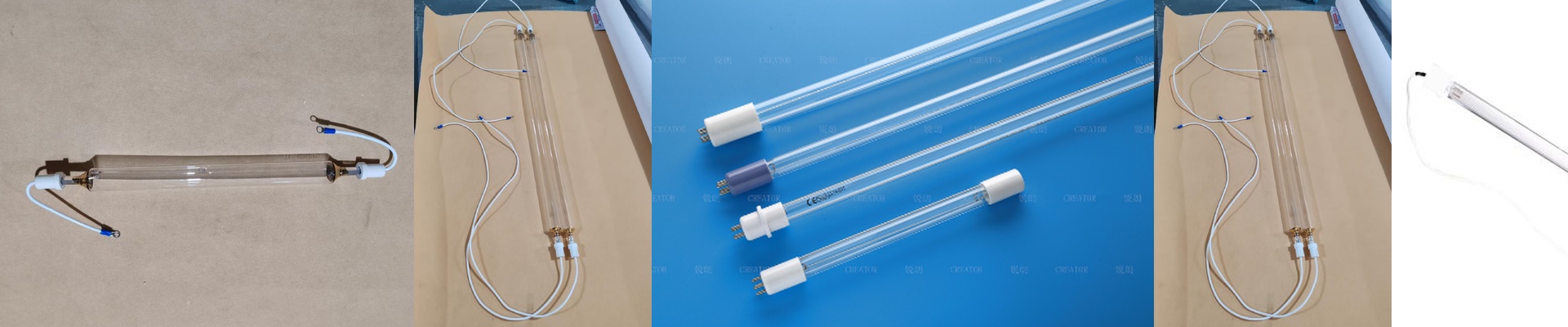
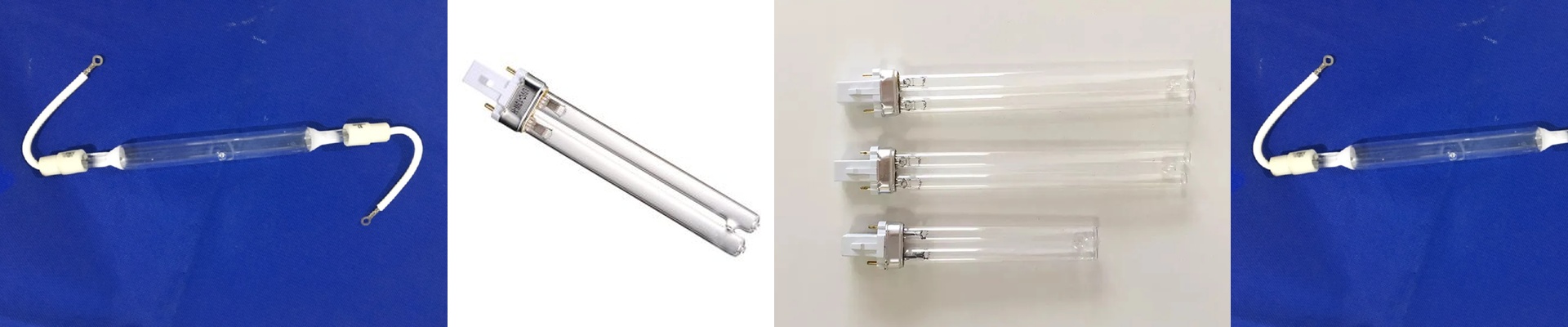
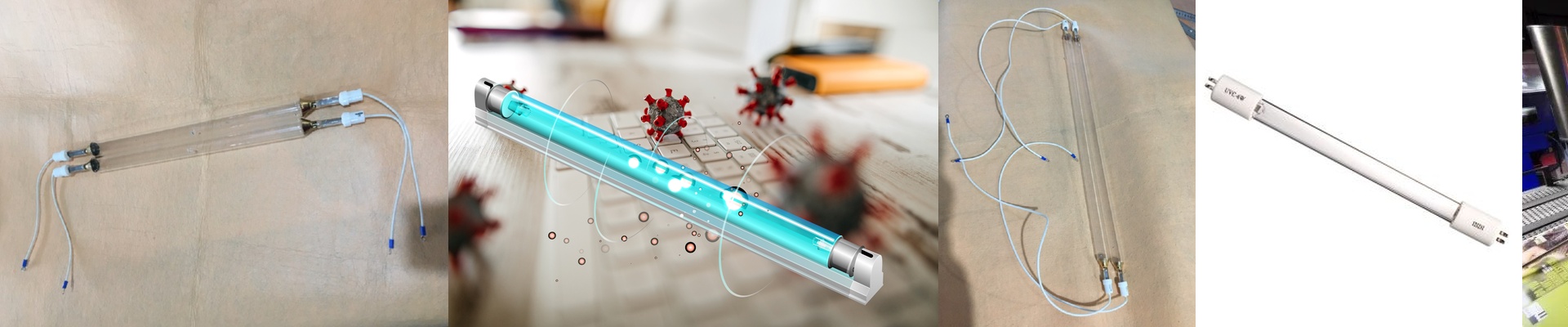
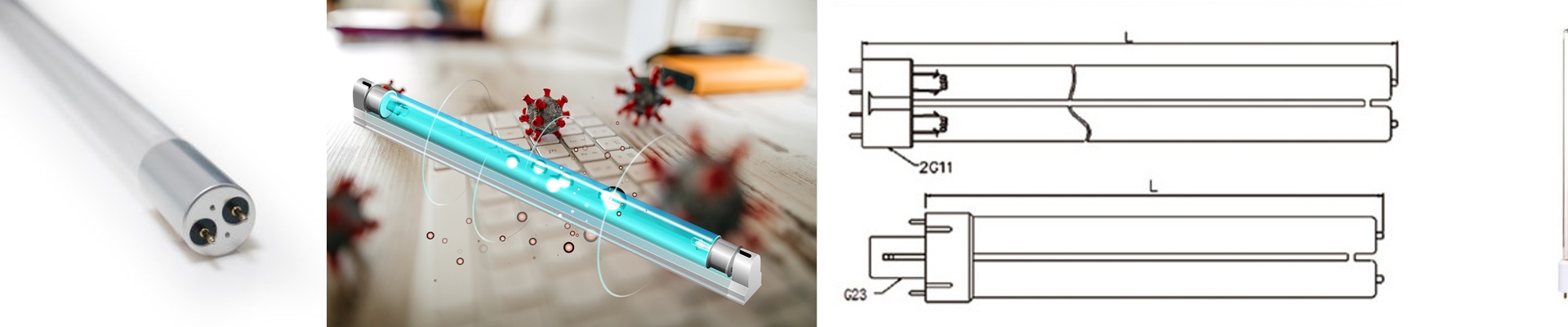
We spent some time visiting about 3,000 printing plants. Not just to sell things, but to see where these UV lamps actually give up the ghost. What we found is that most of the time, it isn’t the bulb’s fault. It’s about how the lamp handles the heat and the sheer speed of a press that’s humming along at full tilt. Think of these mercury bulbs less like light bulbs and more like a heat management puzzle. The balance of power To get your ink to cure, you need that sweet spot of pressure and temperature to hit those 254nm and 365nm peaks. We usually figure out the specs based on how fast your line is moving. If you’re running a high-speed offset line, you need a lot of punch—high wattage density—so the ink polymers lock together before the paper even hits the rollers. It’s a tightrope walk. Too little power and the ink stays tacky. Too much? You’ll scorch the paper. You just have to match the wattage to your conveyor speed. The build and the heat We use high-purity fused quartz for the envelope. Why? Because standard glass clouds up when things get hot, and that kills your output. We also use tungsten electrodes so the bulbs don’t just burn out when you’re constantly switching them on and off. But here’s the thing: when you cram more power into a shorter tube, the heat gets intense. If you put a high-output bulb into a chassis with a weak fan, that quartz is going to stress and eventually crack. It’s simple physics. Your cooling system has to be strong enough to handle the heat that specific bulb puts out. Making life easier We design these to be drop-in replacements. Nobody wants to spend their shift rewiring a press. We keep the footprints standard, so you can swap a bulb without having to mess around with the reflector alignment. Speaking of alignment—it’s everything. If your bulb is off by even 2mm, the UV intensity shifts. That’s how you end up with those annoying uncured patches on your prints. A quick tip: keep your sockets clean and your reflectors polished. If they’re dirty, you’re basically throwing away 20% of your power.