Getting Your Textile Line Right with Mercury UV Tubes
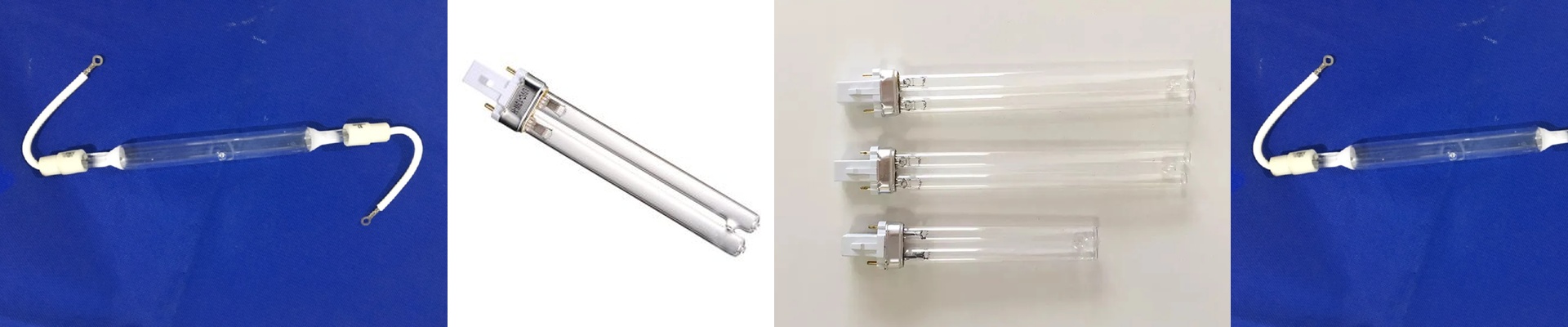
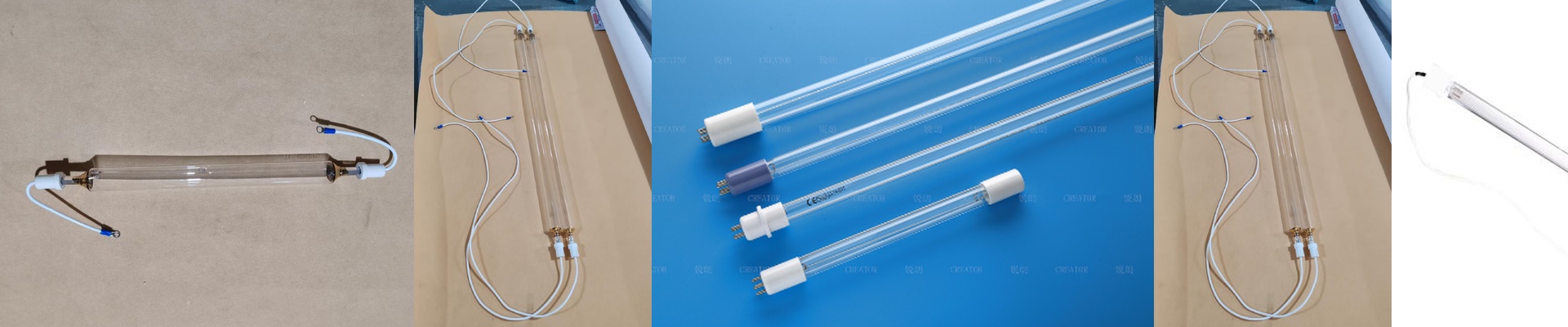
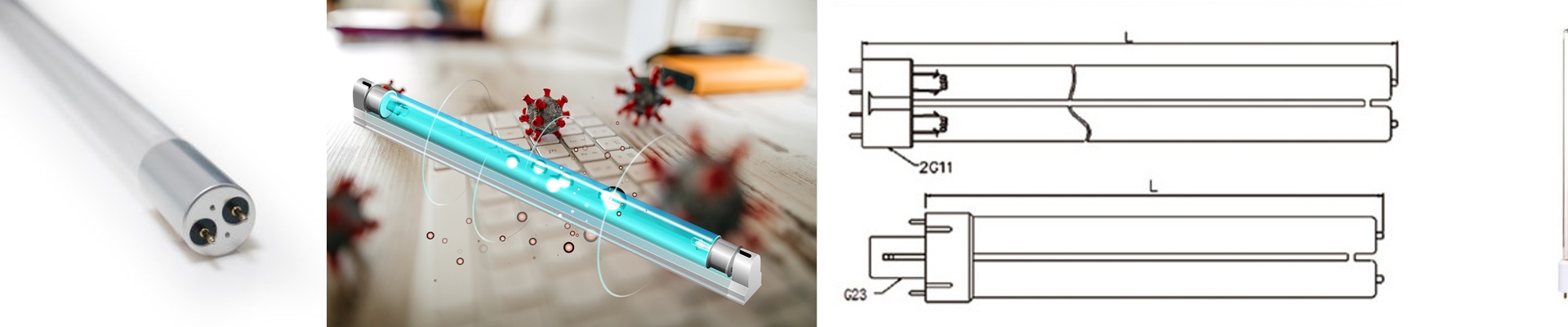
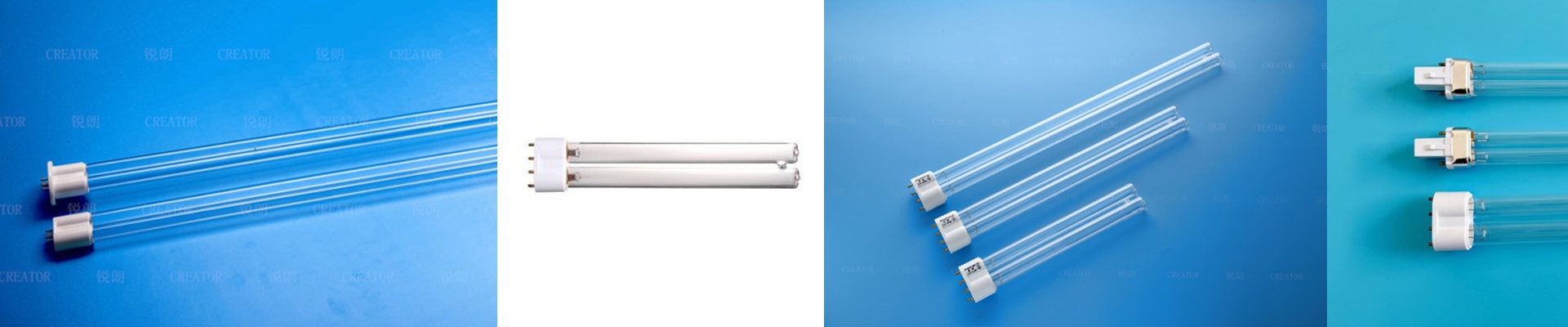
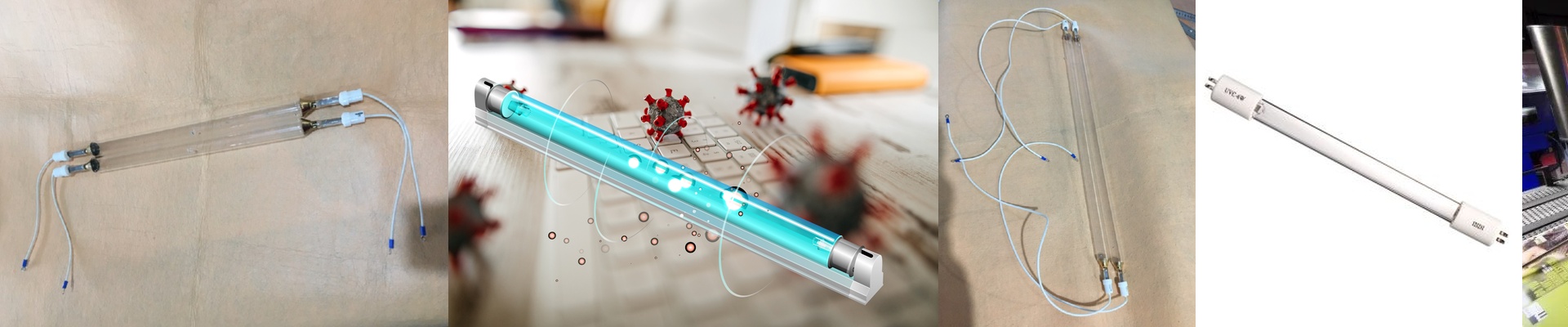
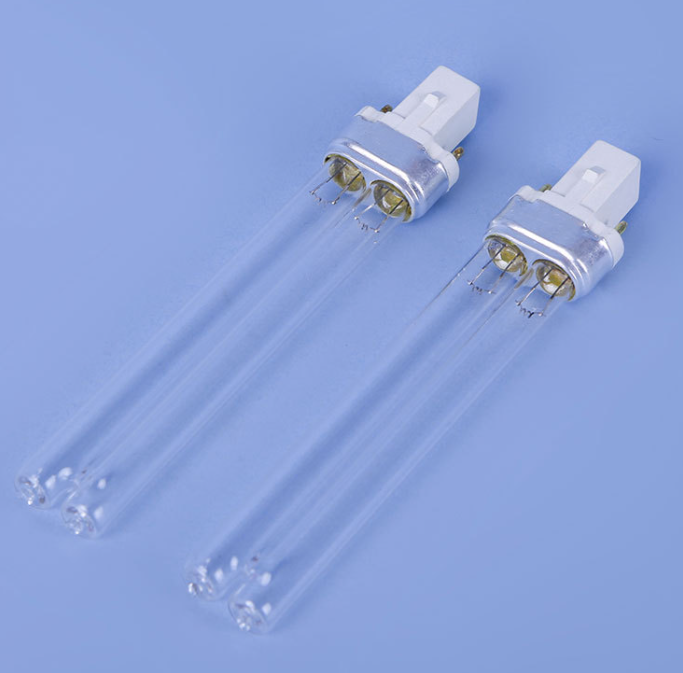
Think of UV curing as the invisible glue that holds everything together. From the moment a piece of raw fabric hits the line to the second it becomes a finished garment, we use long-life mercury UV tubes to snap-cure inks, coatings, and adhesives. Basically, these tubes turn electricity into short-wave UV light. That light hits the liquid monomers and triggers a reaction that turns them into solid polymers. And it happens in seconds.
Why “Long-Life” Actually Matters
Most standard mercury lamps burn out way too fast because the electrodes just wear down. It’s a pain. We fixed that by reinforcing the cathodes and tweaking the gas mix inside. The result? You aren’t stopping your machines every few days just to swap out a dead bulb. Plus, you get a steady stream of light. That’s huge. If the output dips, you end up with “tacky” fabric that feels sticky to the touch. On the flip side, too much heat can make the fibers brittle. You want that sweet spot right in the middle.
Dealing with the Heat
Here is the catch: these tubes gethot. Really hot. They put out a lot of infrared heat along with the UV light. If you just plug them into a high-speed line without a plan, you might warp your conveyor belts or even scorch your synthetic fabrics. You’ve got to make sure your cooling fans or water-jackets can actually handle the load. If the tube overheats, the quartz glass gets stressed and the lamp dies early. It’s a simple cycle: keep it cool, and it lasts.
Where This Actually Fits In
You’ll see these lamps everywhere. In screen printing, they’re curing inks that don’t need plastisol. In technical gear, they’re bonding waterproof membranes to the outer shells of jackets. It’s fast. It’s compact. And it replaces those massive, energy-hogging drying ovens that take up half the shop. But keep an eye on your power. These high-wattage tubes need a stable ballast. If your shop floor power is jumping around or flickering, you’ll burn through your tubes way faster than the manual says. Keep your electrical input clean, and you’ll get every single hour of life out of that quartz.