Why Cheap UV and IR Lamps Usually Cost You More in the Long Run
Most people shopping for industrial lamps just hunt for the lowest price per unit. I get it. But in the world of curing, chasing the bottom dollar usually ends with a lamp that burns out way too early or gives you patchy results. We look at the math differently. Instead of buying parts from five different vendors, we handle the whole production chain ourselves.
Cutting out the middleman (without cutting corners)
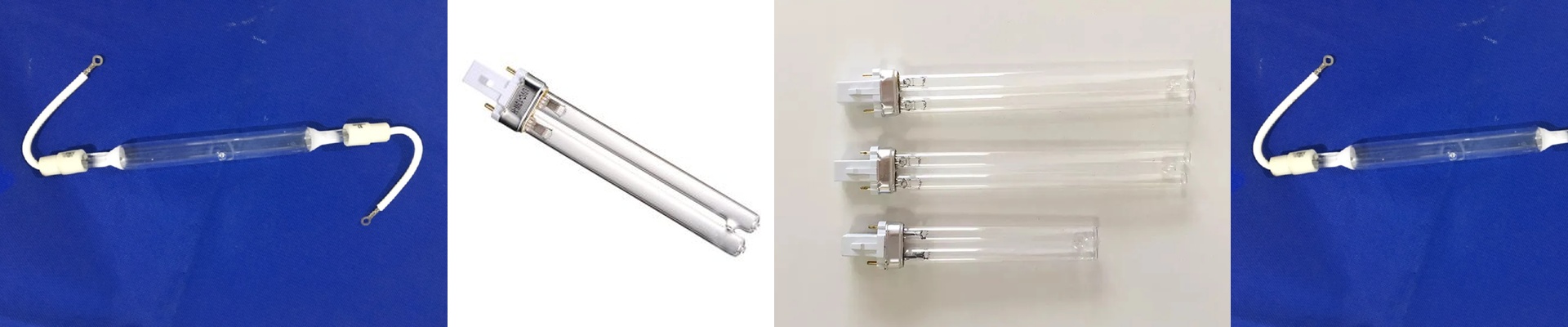
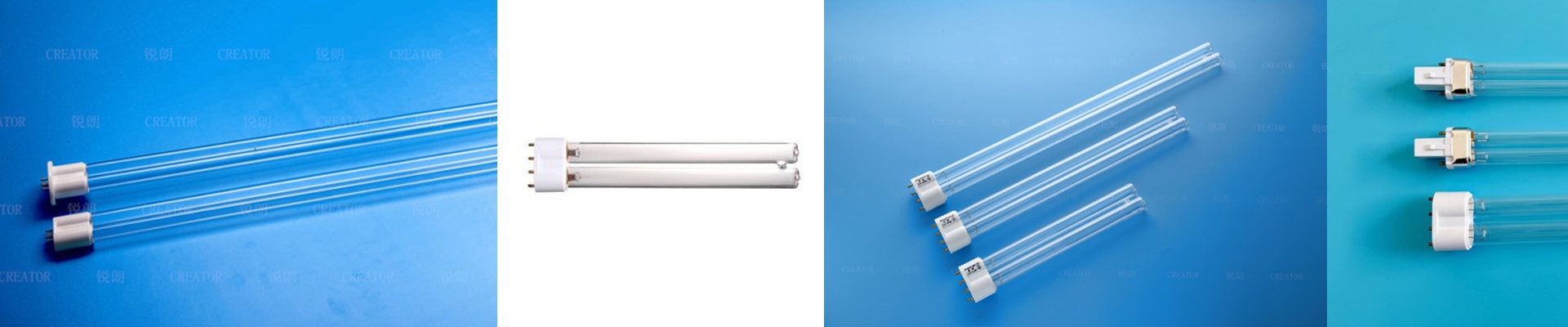
Here is the thing: when we source our own quartz and handle the electrode welding in-house, we get rid of those annoying middleman markups. But this isn’t about saving a few bucks on materials. We use high-purity synthetic quartz. Why? Because cheap glass clouds over or “solarizes” when you hit it with high wattage. By keeping the gas-filling and sealing under one roof, we also stop those tiny vacuum leaks that usually happen when you outsource parts to a third party. It just works better.
The heat struggle
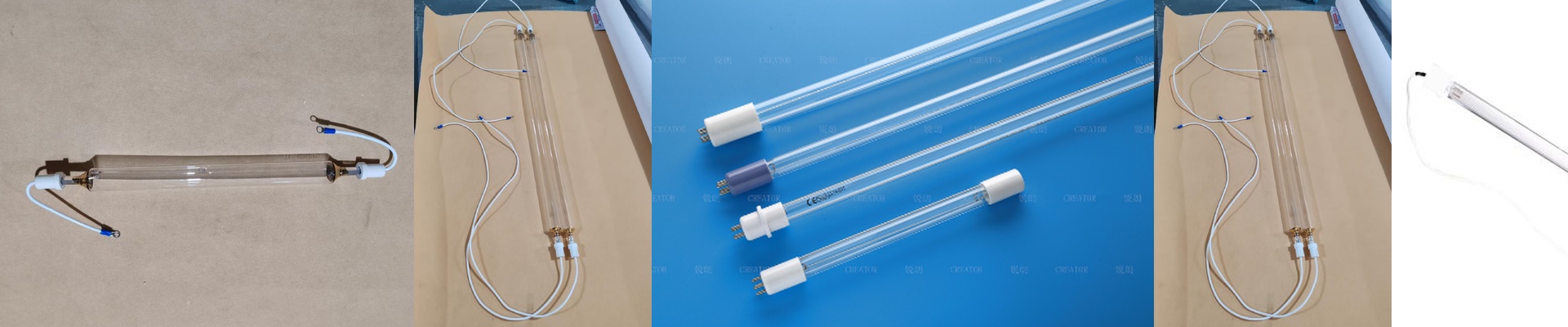
We build these lamps to take a beating. Whether you’re running short-wave UV for adhesives or medium-wave for ink, it all comes down to power density. High wattage means your line moves faster. That’s the dream. But there’s a catch:heat. If you push a lamp to its absolute limit, it’s going to stress your reflectors and kill your cooling fans. My advice? Make sure your housing can actually handle the thermal output, not just the number written on the spec sheet. Otherwise, you’re risking a warped quartz envelope.
No-headache maintenance
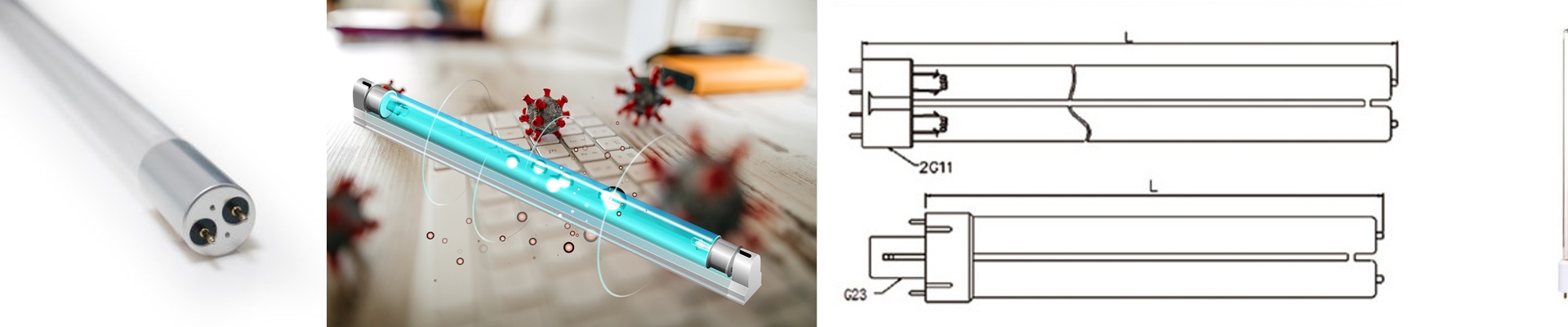
Nobody wants to spend four hours messing with custom wiring while a production line is dead in the water. That’s why we made our connectors “drop-in.” Our tubes fit standard industrial footprints, so you can just swap them out and get back to work. No re-tooling required. And then there’s the arc. You want a stable arc. If your voltage jumps around, your cure rate drops and you end up with that annoying tacky surface on your product. We calibrate everything to make sure that even at a wholesale price, you’re getting the exact spectral distribution your process needs to actually work.