Why We Don’t Cut Corners on CE Certification for Gallium Iodide Lamps
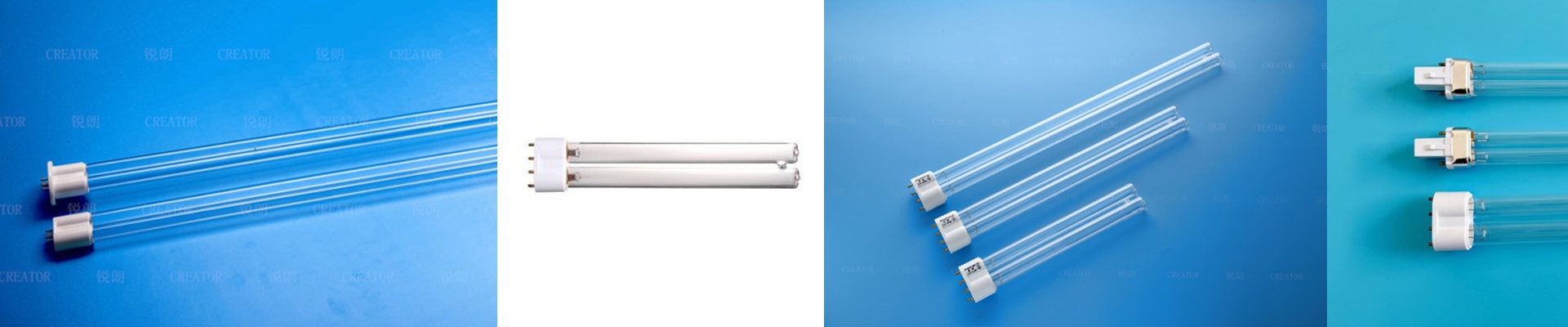
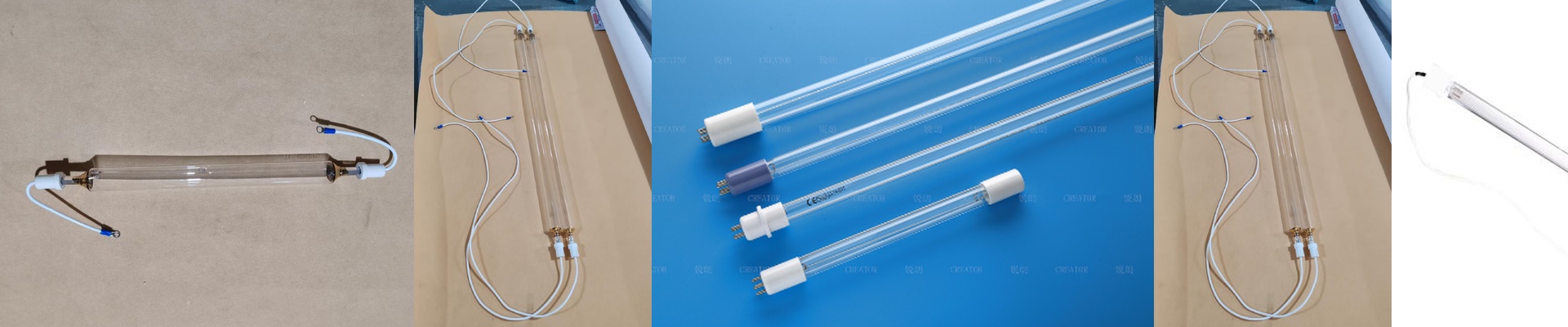
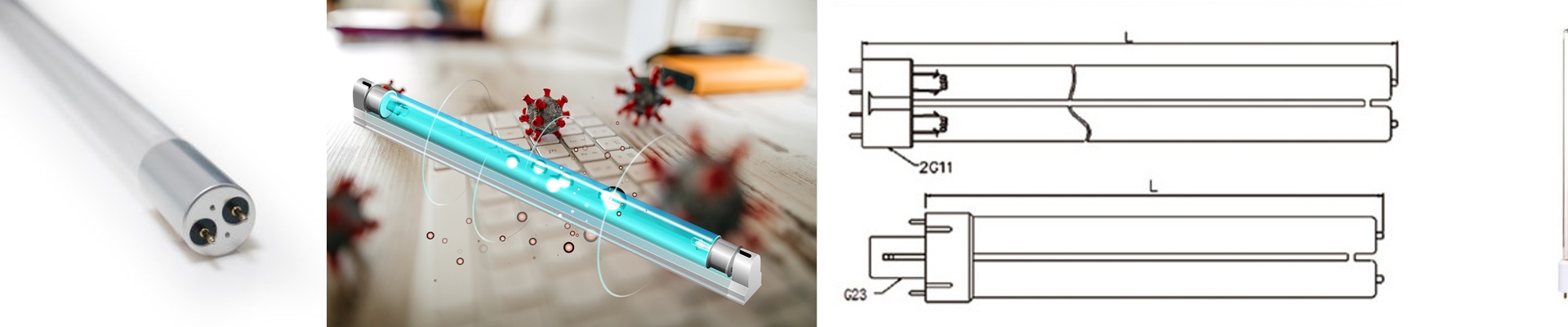
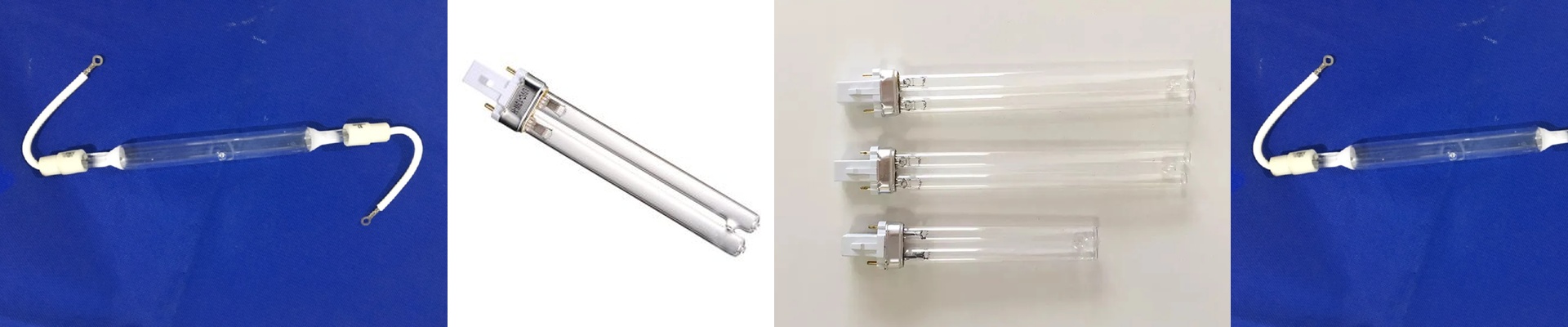
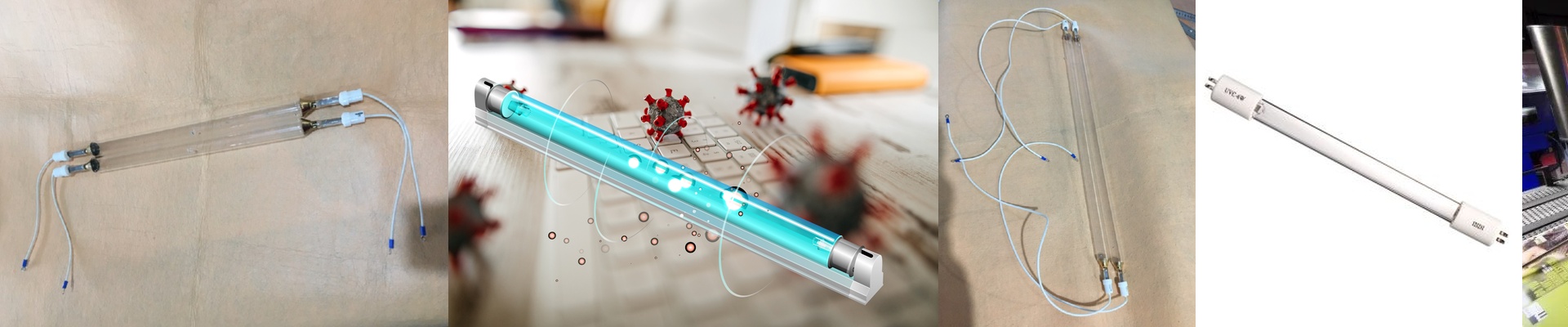
If you’re running a PCB line, you know the drill. You need your photoresist cured and dried fast, or the whole schedule slips. That’s where Gallium iodide lamps come in. They hit those specific UV wavelengths that get the polymerization moving quickly. We build these things to take a beating from high heat, but honestly? The hardware is only half the story. The technical side of things Look, CE certification isn’t just some piece of paper we collect to look official. It’s about making sure the thing doesn’t blow up or break your other gear. Think about your floor. You’ve probably got dozens of these lamps wired into one line. If one of them has sloppy insulation or leaks electromagnetic interference (EMI), it doesn’t just fail—it can trip your breakers or mess with the precision sensors on your conveyor. Not a great way to spend a Tuesday. We spend a lot of time testing for dielectric strength and leakage current. We do this so you don’t have to worry about the lamp arcing just because your industrial voltage decided to fluctuate for a second. Avoiding the headaches If you’re dealing with high-end shops in Europe or North America, they aren’t going to let uncertified gear anywhere near their floor. It’s a liability thing. A lamp that ignores safety standards is basically a fire hazard waiting to happen. By sticking to CE standards, we make sure these lamps fit right into your existing setup. You can just swap them in and get back to work without having to rewrite your entire safety manual or call in a consultant to tell you why the equipment isn’t allowed on site. The honest truth about cost Here’s the thing: getting these certifications takes time. It adds to the lead time and, yeah, it bumps up the price. You’re paying for the rigorous testing and the paperwork that proves the quality is actually there. But there’s a flip side. You can go cheaper, but then you’re gambling. A burnt-out lamp is a nuisance—you just replace it and move on. But a lamp that fails a safety audit? That’s a legal nightmare that can shut your entire line down. We’d rather do it right the first time.