Getting UV Curing Right in Your Textile Line
Think of UV lamps as the unsung heroes of the factory floor. They’re just sitting there, humming away, but they’re doing all the heavy lifting. Whether you’re curing ink for a digital print, adding a waterproof coating, or locking in synthetic dyes, these lamps are what actually make the product “finished.”
How it actually works
Most shops use either those classic medium-pressure mercury lamps or the newer UV-LED setups. Here’s the deal: the ink or coating has these things called photoinitiators. When the UV light hits them, it triggers a chemical chain reaction. It’s almost instant. In a matter of seconds, liquid monomers snap together into a solid polymer chain. It’s a balancing act. If you crank up the conveyor speed to hit a deadline, you can’t just hope for the best. You’ve got to either bump up the wattage or move the lamps closer to the fabric to make sure the material gets enough “juice.”
The nitty-gritty of the hardware
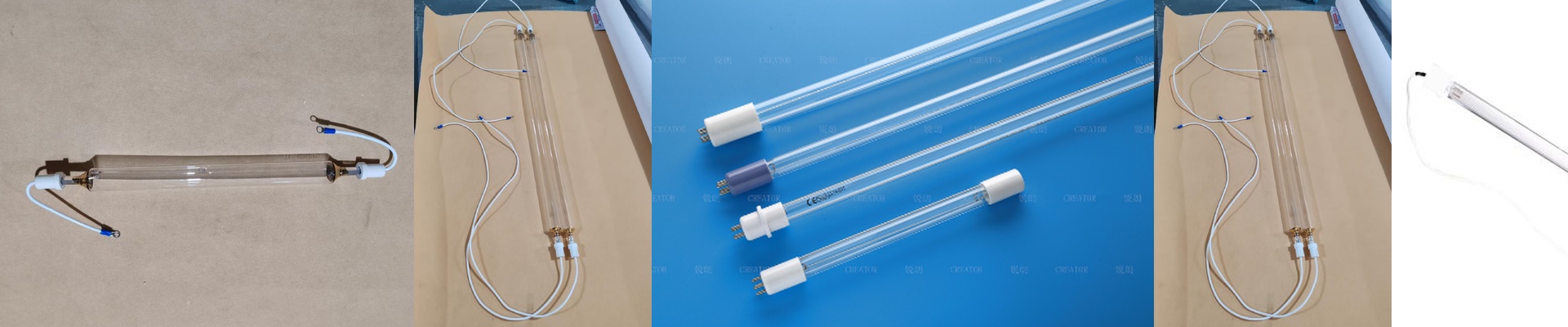
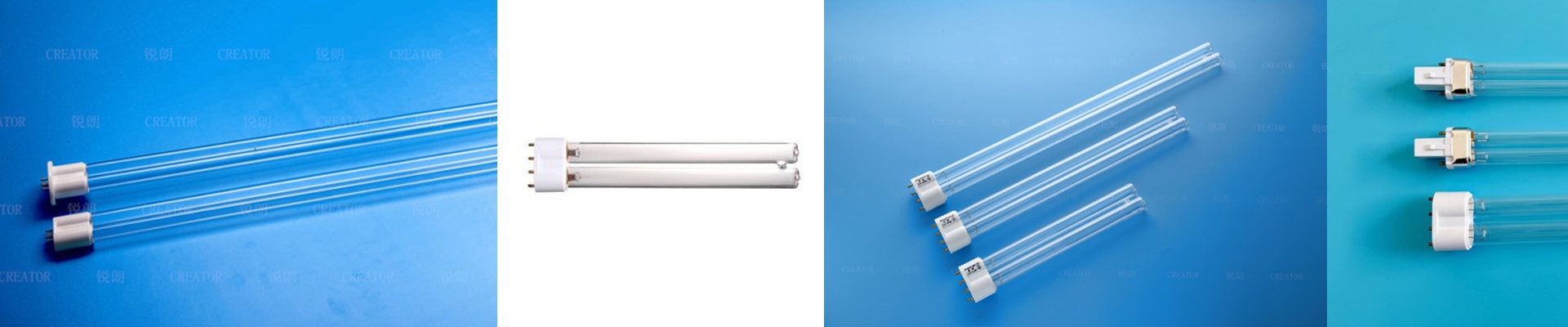
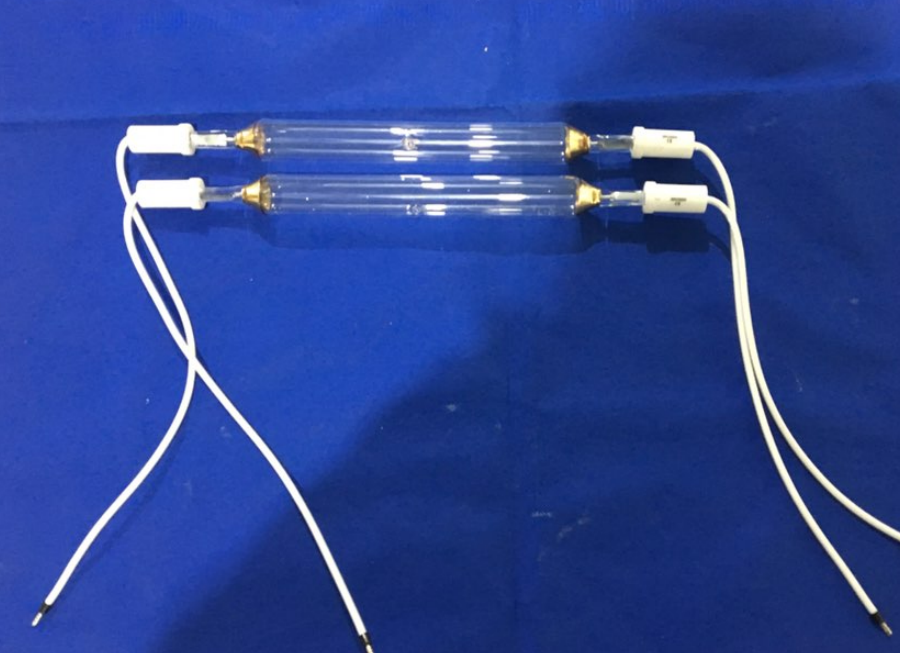
When you’re swapping out a lamp, it has to fit the original footprint perfectly. No gaps, no wiggle room. I always tell people to look closely at the quartz sleeve and the electrode connections. If the quartz isn’t pure, it blocks the shortwave UV-C and UV-B rays. That means your cure rate drops, and suddenly you’re staring at a bottleneck in your production. And please, watch your ballast settings. Wiring a 500W lamp into a 300W system is a great way to fry your electrodes. On the flip side, if you under-power the lamp, you’ll end up with “tacky” fabric. You know the feeling—that sticky residue that fails the tape test every single time. It’s a nightmare to fix.
The trade-offs you’ll face
High-intensity UV puts out a ton of infrared heat. If you’re working with polyester or other synthetics, that heat can be a problem. Too much, and your fabric starts shrinking or warping. To stop that, you either need some heavy-duty cooling fans or you switch to UV-LEDs. LEDs are great because they stay cool and turn on instantly—no waiting around for a warm-up. But there’s a catch. They have a narrower spectral output. If you’re applying a really thick coating, the LED might cure the surface but leave the base layer wet. It’s all about picking the right tool for the job.