Why Most Industrial UV Lamps Actually Fail (And How We Fixed It)
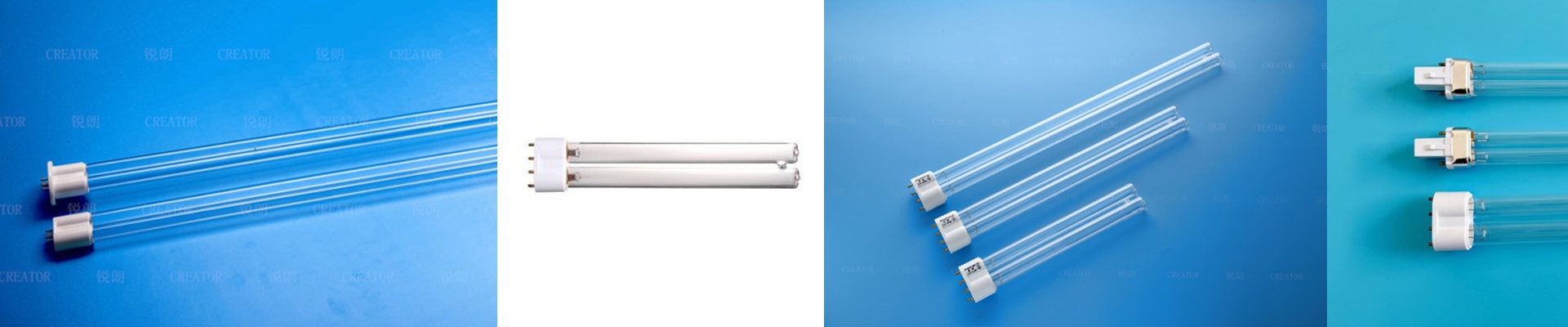
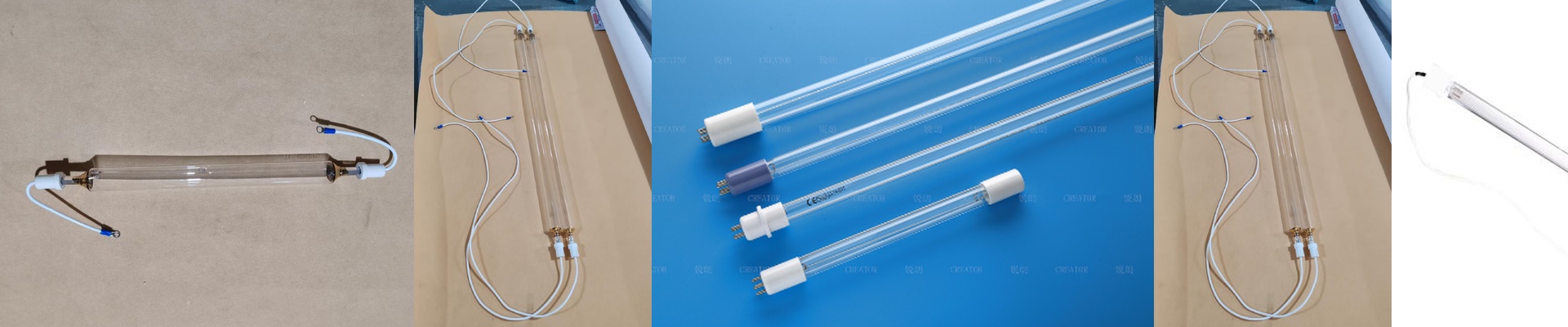
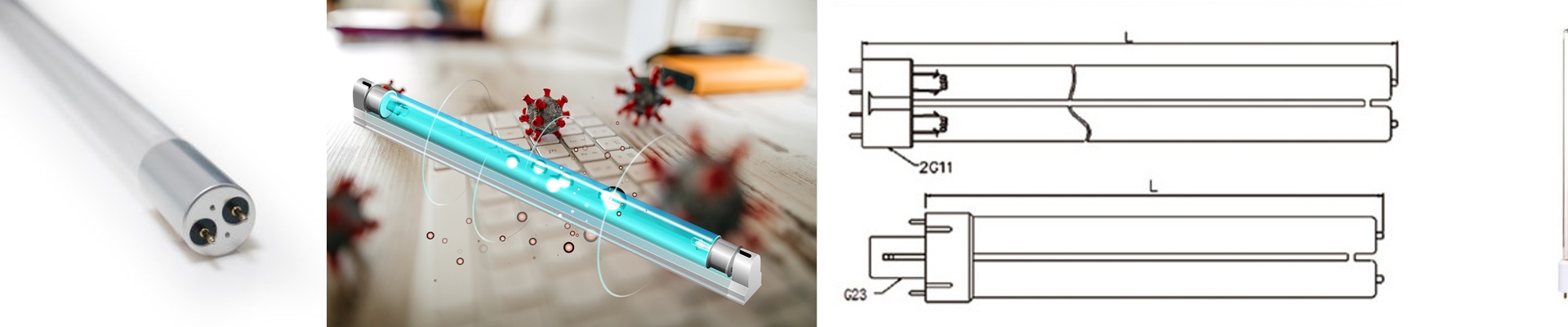
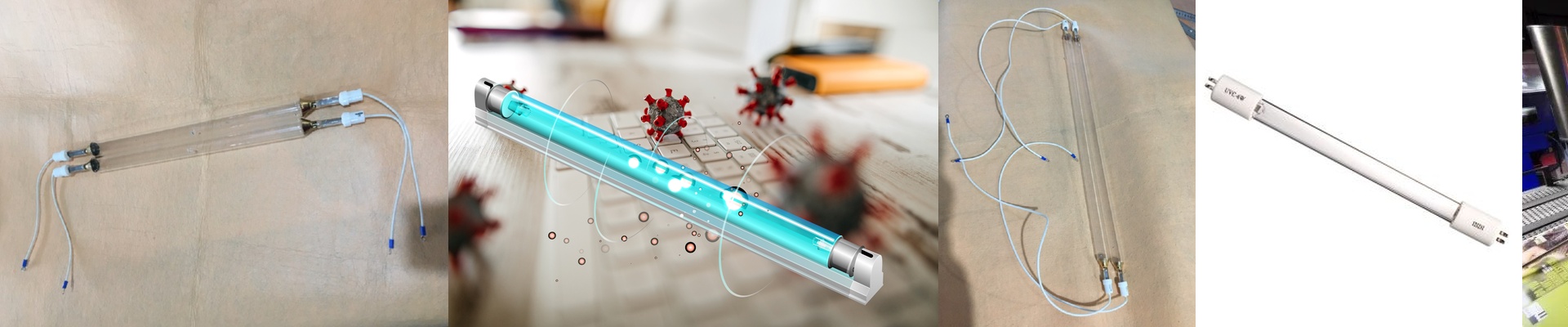
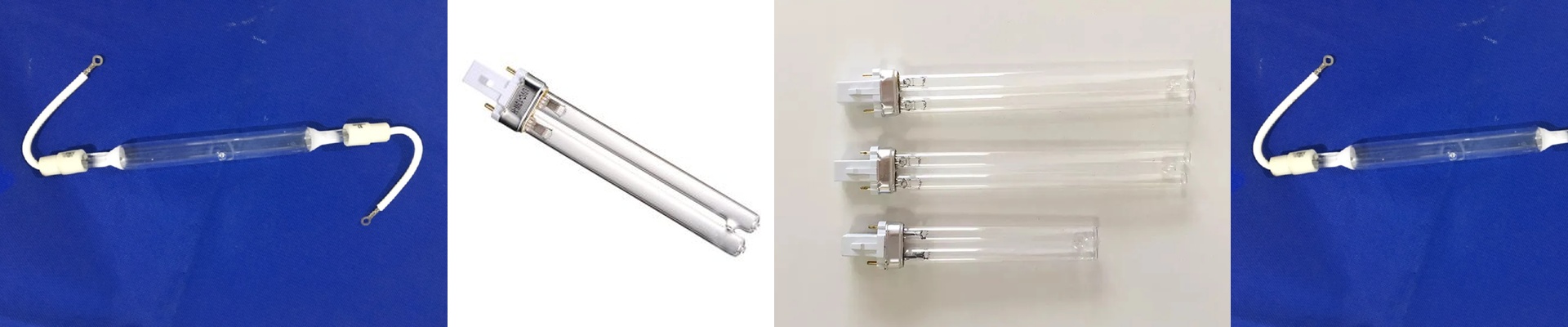
We spent some time visiting about 3,000 printing plants. We wanted to see where these lamps actually die in the real world. What we found was surprising. Most of the time, it’s not even the bulb’s fault. The real problem is usually a mismatch—the lamp design just doesn’t play nice with the line speed or the specific ink being used. In a fast-paced shop, you need a delicate balance between raw power and heat control. The struggle with power Here’s the thing about mercury vapor lamps: they’re all about that plasma discharge. To keep a high-speed line moving, we lean hard into those 254nm and 365nm peaks. Sure, cranking up the wattage gives you more photons and cuts your curing time. But there’s a catch. If you cram too much power into a short tube, things get hot. Fast. If you over-spec the power density, you’re not just curing ink—you’re scorching your paper or warping your plastic film. It’s a tightrope walk. Built for the shop floor We wanted our lamps to be simple drop-in replacements. No fuss. That starts with the materials. Cheap quartz turns yellow over time, which basically acts like a curtain, blocking the UV light from getting out. We use high-purity fused quartz to stop that from happening. And we know you don’t have an hour to waste when a bulb pops. We used standardized connectors and exact lengths so you can swap a tube in a couple of minutes. You shouldn’t have to spend your afternoon recalibrating the reflector. Speaking of reflectors—they matter more than people think. If the mirror angle is off, you’re wasting 30% of your energy. Instead of hitting the ink, that energy just dumps heat into your machine frame. The heat bottleneck The biggest headache is almost always cooling. High-output mercury lamps put off a massive amount of infrared heat. If your chilling system can’t keep up with that BTU load, the lamp overheats. And when that happens, your lifespan gets cut in half. It’s a waste of money. That’s why we design our housings to move as much air as possible around the quartz. Keeping that temperature stable is the only way to make these things last.