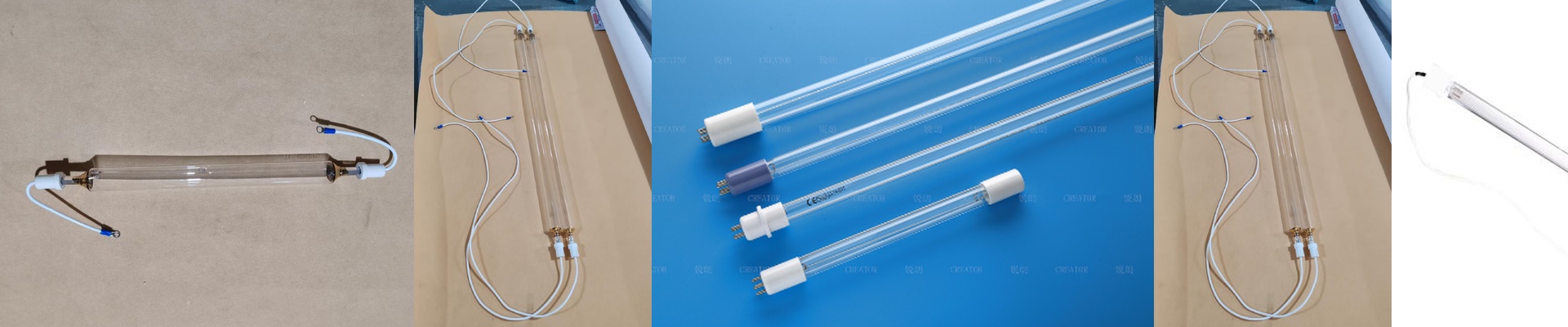
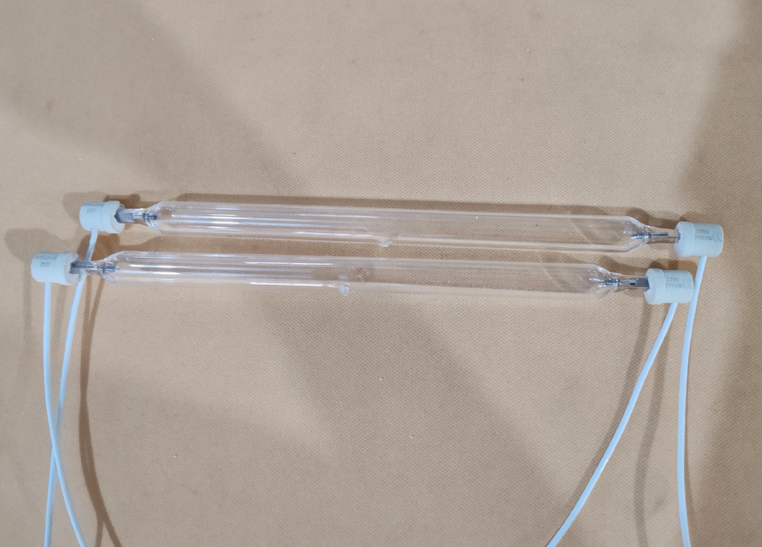
Let’s Talk About UV Curing (And Why Most People Get It Wrong)
UV curing isn’t just about drying ink anymore. If you’re running a modern shop, you have to stop thinking of it as a “dryer” and start treating light energy like any other critical variable—kind of like how you’d obsess over voltage or hydraulic pressure. It all comes down to the physics of how the resin hardens. If you don’t get that right, your line speed becomes a nightmare because your quality control keeps flagging rejects.
The “Tacky” Problem
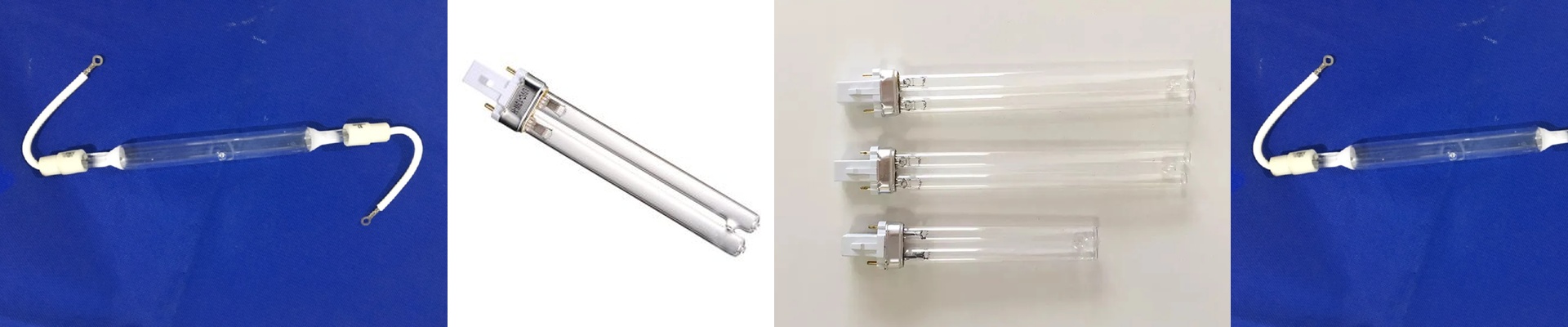
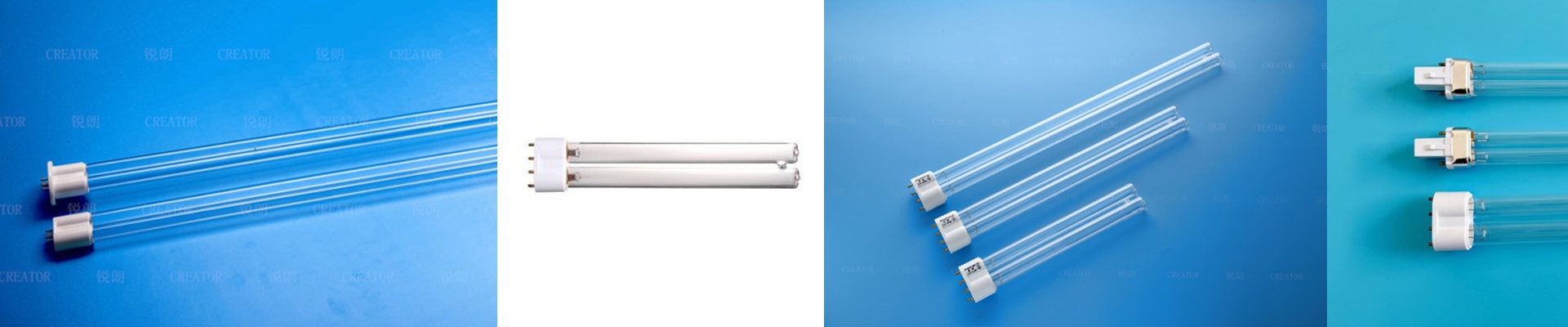
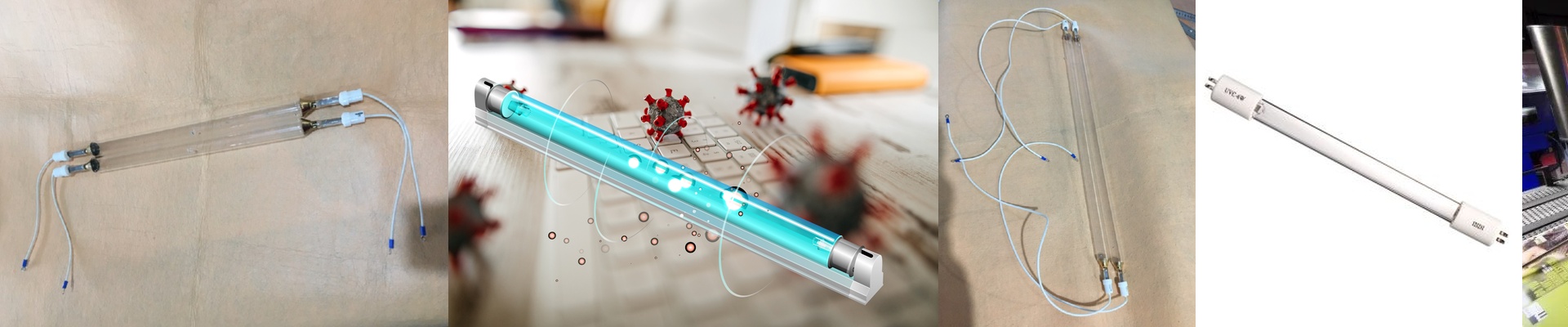
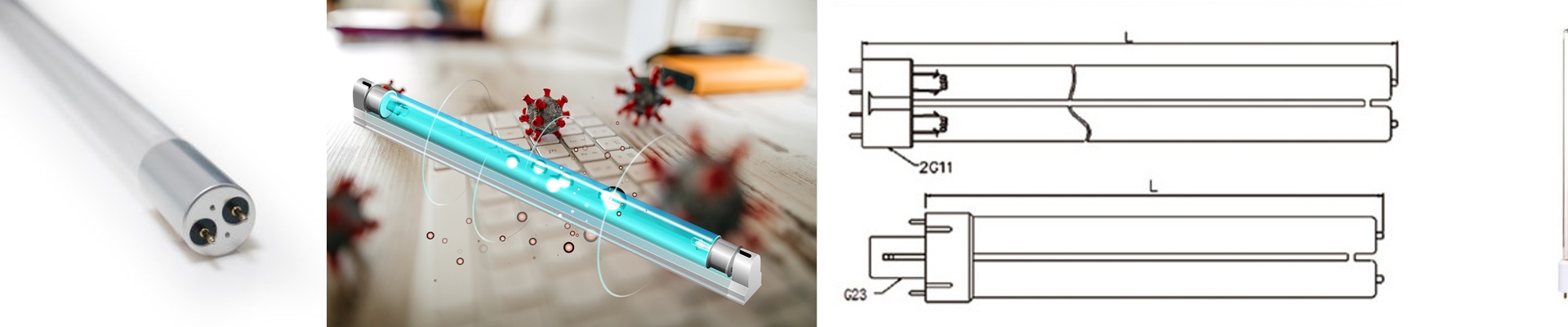
Here is the thing about UV output: it’s all about the wavelength. Whether you’re using old-school mercury-vapor or switching over to LED, the light has to actually match the photoinitiator in your resin. If you’re off by just a few nanometers, you hit that frustrating “surface cure” wall. You know the feeling—the top looks bone-dry, but you touch it and the bottom is still tacky. That’s why we obsess over the specs. We build our lamps to keep the light intensity steady across the entire width of your conveyor, so you don’t get weird soft spots on the edges of your product.
Dealing With the Heat
High-intensity UV lamps gethot. Like, really hot. If you just crank up the wattage to try and push more product through, you’re going to start warping your substrates. Nobody wants a curved part. To stop that, we use cooling jackets and reflectors that aim the energy exactly where it needs to go—into the product, not into the air around it. Just a heads-up: make sure your exhaust system is actually doing its job. If the heat lingers, your lamps are going to burn out way faster than they should.
Making it All Work Together
Swapping out a lamp is the easy part. The real headache is getting it to play nice with the rest of your gear. We make our UV arrays talk directly to your PLC. This means when your line speeds up, the intensity adjusts automatically. It’s a lifesaver because it stops you from over-curing, which is usually what makes plastics turn brittle and snap. Of course, there’s always a trade-off between power and speed. Push for faster cycles, and you’ll put more stress on your power supply and swap bulbs more often. We’ll give you the actual data on how the light fades over time, so you can swap the lamps on your own schedule—instead of having one pop mid-shift and kill your whole afternoon.