Why Your UV Lamps Keep Dying (And How We Fixed It)
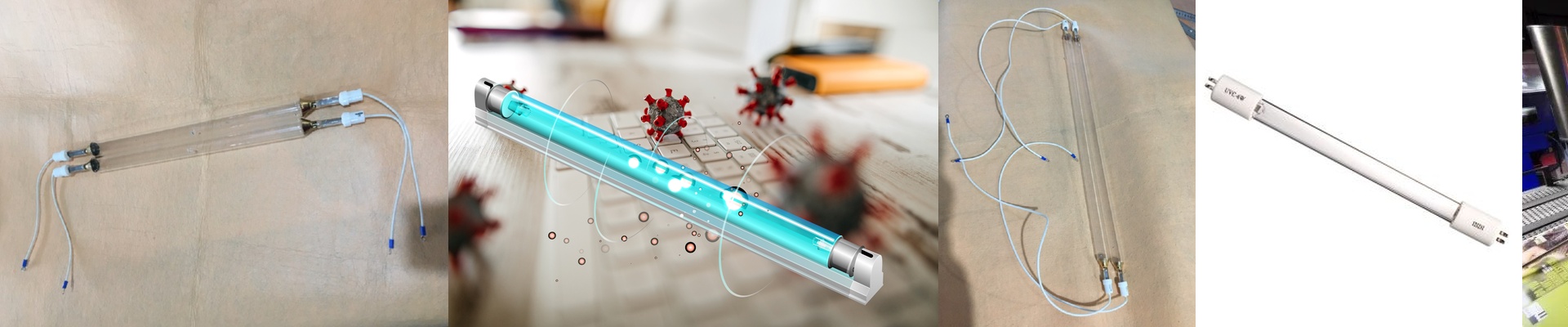
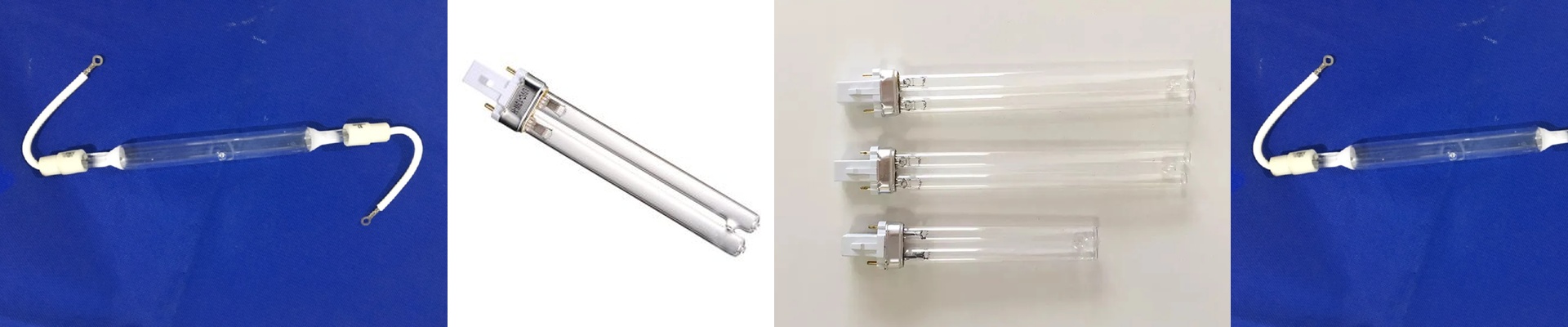
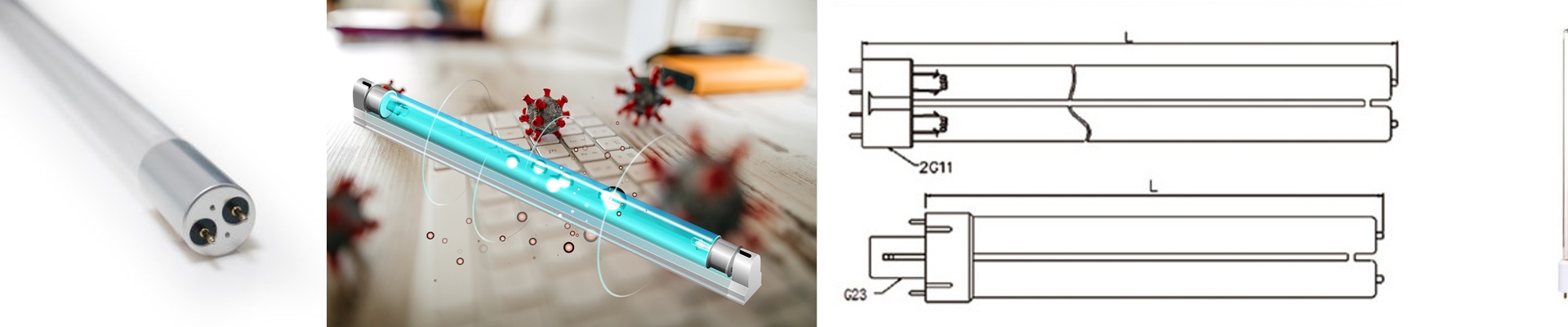
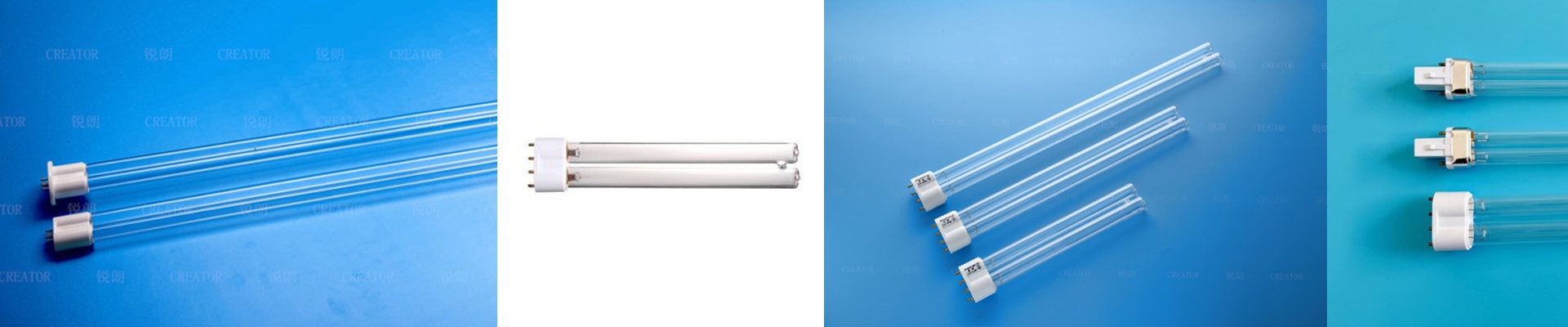
I’ve spent time in about 3,000 different printing plants. If there’s one thing I’ve learned, it’s that there is a massive difference between a lamp that looks great on a spec sheet and one that actually survives a brutal production shift. Most of the time, the bulb isn’t the problem. The real culprit? A fight between how much heat the lamp puts out and how well the machine can cool it down. The Heat Struggle Here’s the thing about UV curing: you need that punch of energy to get the ink to set. But if you cram too many watts into a tube that’s too short, you create “hot spots.” Not only does that warp your materials, but it fries the electrodes. We do things differently. We balance the wattage and the length so the power spreads out evenly. You get a consistent cure across the whole web, and your equipment doesn’t feel like it’s melting. Glass and Mirrors Not all quartz is created equal. We use high-purity fused quartz because cheaper glass “clouds over” over time—we call it solarization. Once that happens, your UV output tanks. But the glass is only half the battle. Look at your reflectors. If they’re pitted or oxidized, the heat just bounces right back into the tube. It’s like trying to cool down in a room full of mirrors reflecting the sun. It kills the lamp. Keep those reflectors clean, and your tubes will actually last. The “Real World” Fit There’s nothing worse than forcing a replacement lamp into a socket. We design our lamps to be a true drop-in fit. Why? Because if a connection is even slightly loose, it creates an arc. That little spark will eat through your socket and the lamp end-cap in a matter of hours. It should just click into place. No forcing, no fuss. One last tip: if you decide to go with a higher intensity lamp to speed things up, check your chillers first. More power means more heat. If your cooling flow can’t keep up, you’re just trading speed for more frequent breakdowns. It’s all a balancing act.