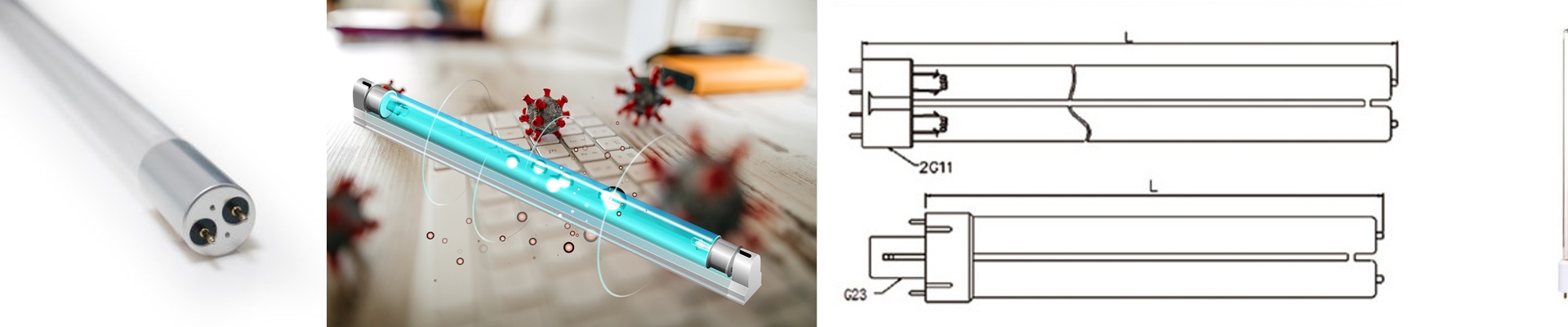
Ditching the Toxins: A Better Way to Build UV Lighting into Your Gear
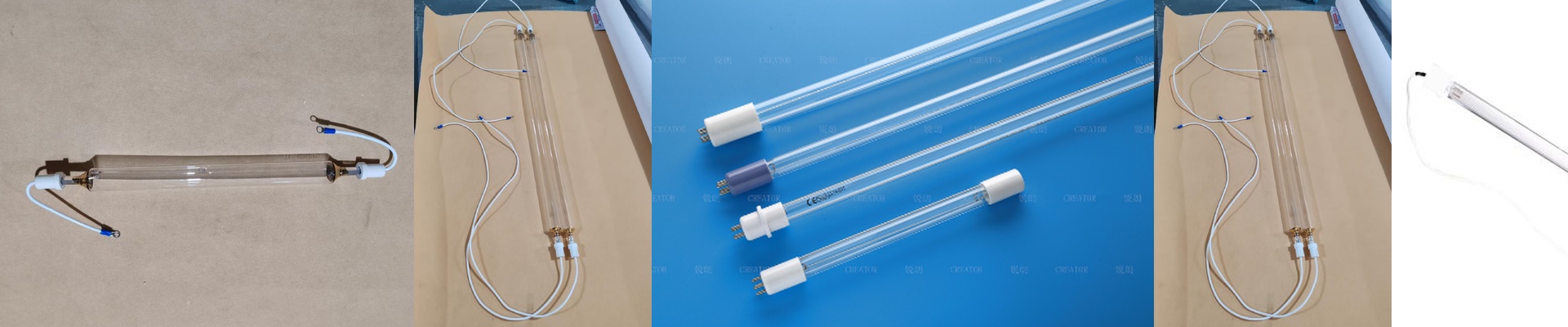
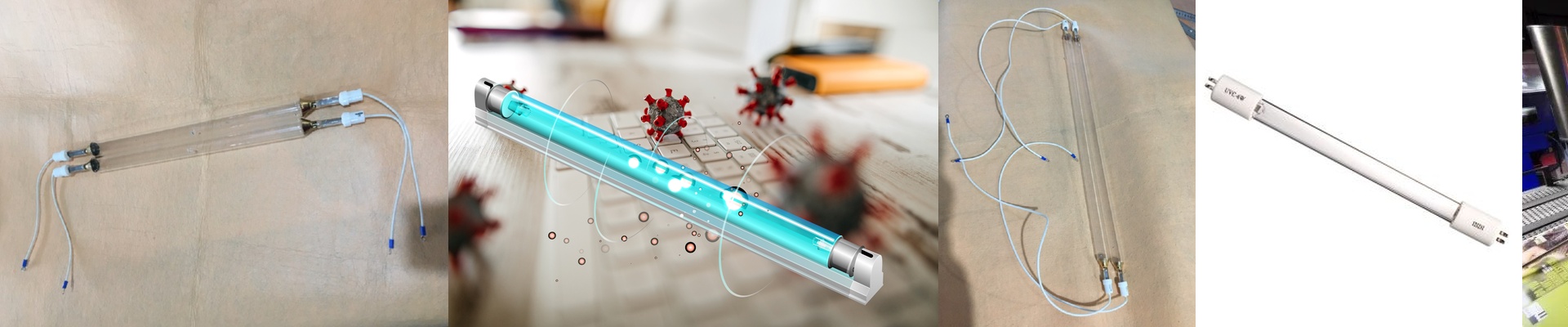
We’re moving away from the old way of doing UV lamps. The hazardous stuff? It’s gotta go. We’ve shifted toward a zero-pollution approach, which means if you’re building these into your own machines, you can finally stop worrying about mercury-vapor tubes and start using materials that actually play nice with the planet.
The Nitty-Gritty on Power and Fit
When you’re fitting a UV lamp into an assembly, the math has to be spot on. Wattage, voltage, size—if one of these is off, the whole thing fails. We make sure the light hits exactly where it needs to across the entire length of the tube. Now, if you go for a high-wattage setup to get that lightning-fast curing, you’ve got to keep an eye on the heat.**Seriously.**If your cooling isn’t dialed in, you’re just baking your lamp, and it’ll burn out way too soon. We also obsess over voltage regulation. Why? Because nobody wants flickering lights or pitted electrodes ruining a production run.
Better Materials, Less Headache
We swapped out the toxic components for things that are actually safe. And look, it’s not just about checking a box for some regulator. By using high-purity quartz and some clever coatings, we’ve made it easier for the UV light to get out of the lamp and onto your product. These things are tough. They can take a beating in a gritty industrial shop and still put out the same amount of light after thousands of hours of work. Plus, we tweaked the gas fill and the electrode shapes to make them last longer. That means you aren’t stopping your line every few weeks to swap out a dead bulb.
Making it Work in the Real World
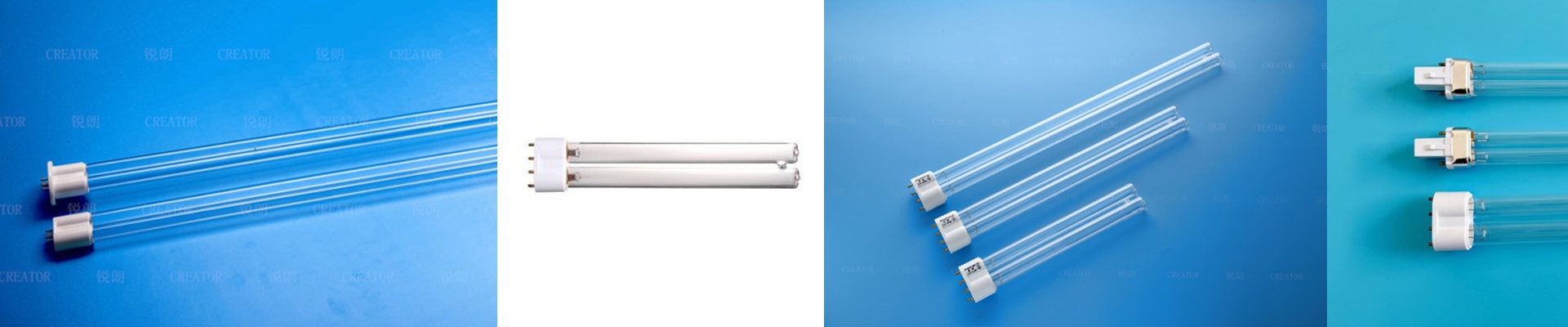
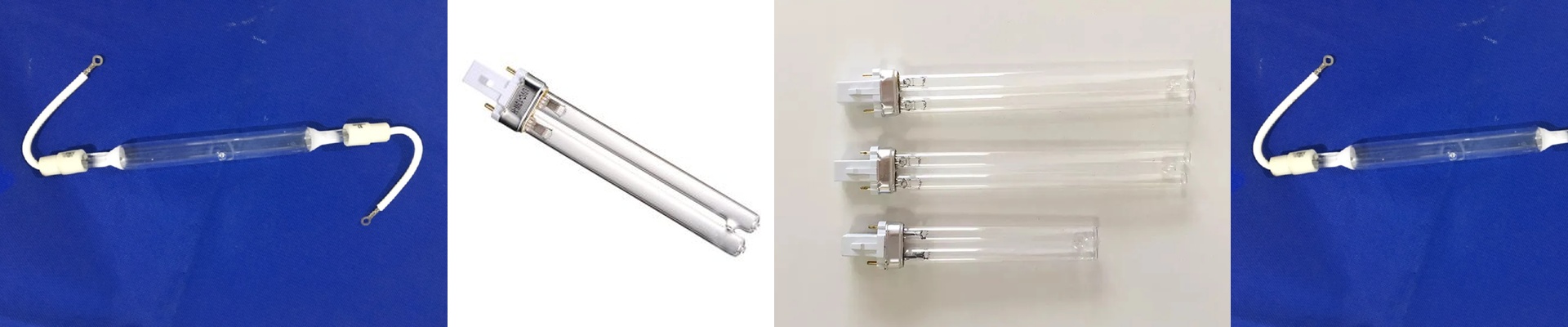
You can grab these as simple drop-in replacements or we can build a module specifically for your specs. We’ve kept the connectors simple, too, so your techs aren’t scratching their heads trying to wire them up. Here’s the honest part: these eco-friendly materials usually cost a bit more upfront than those old mercury lamps. But think about the long run. You stop paying for hazardous waste disposal. You stop replacing parts every few months. You’re trading a slightly higher initial bill for a cleaner shop floor and a lot less maintenance downtime. It’s just a smarter way to run a business.