Getting UV Curing Right in Your Textile Line
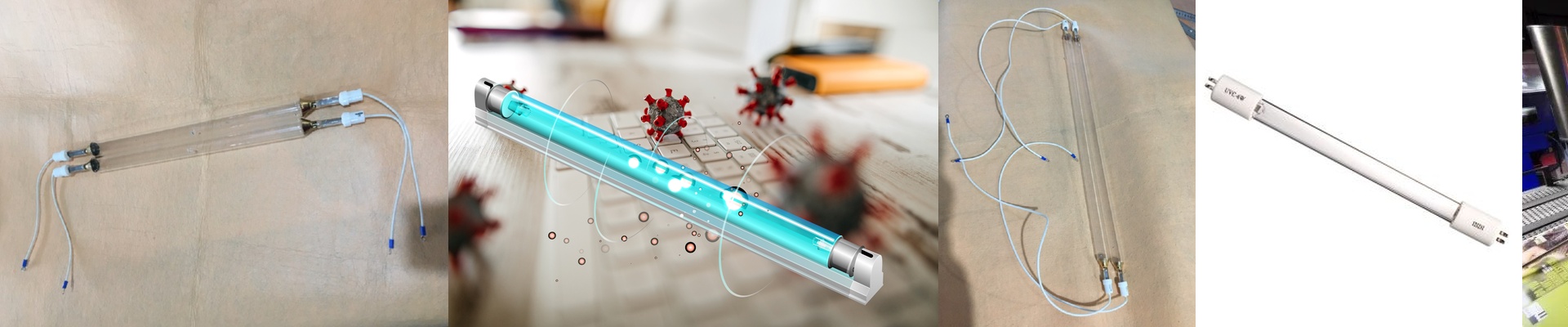
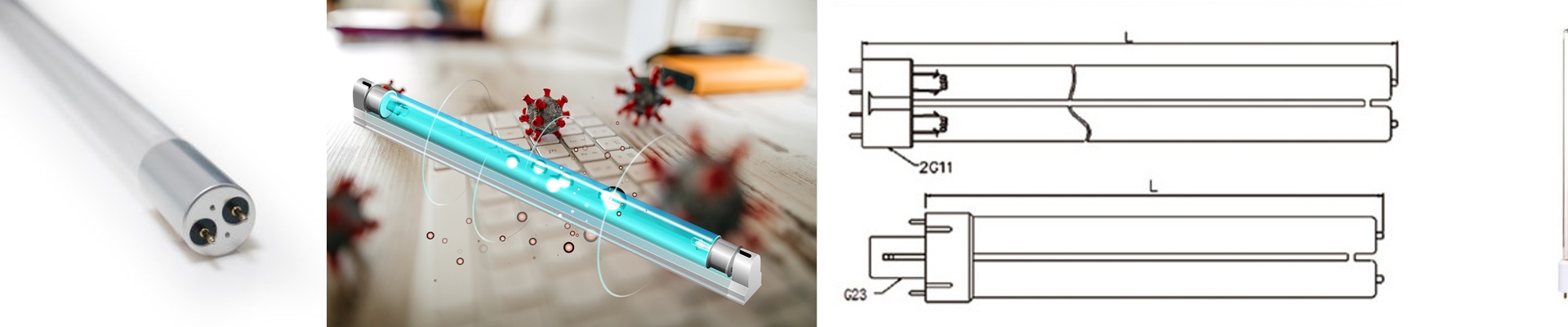
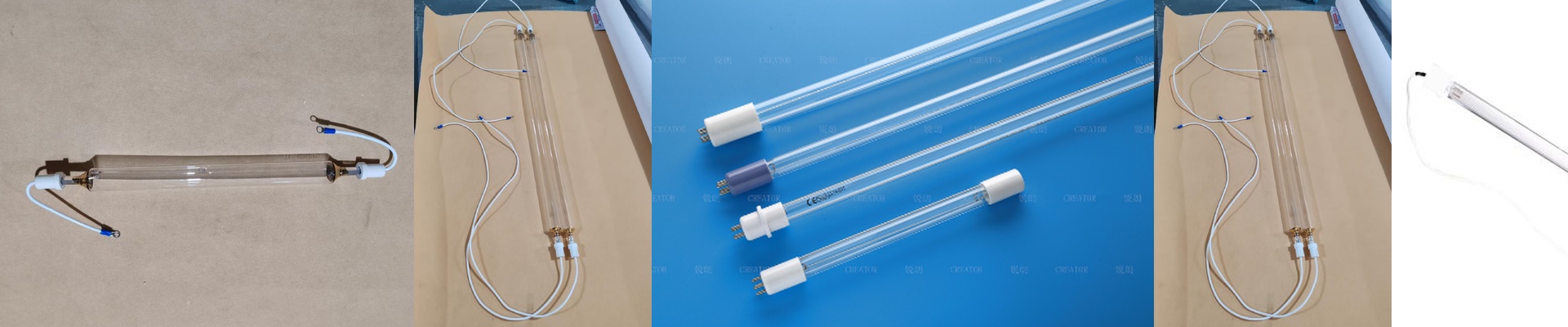
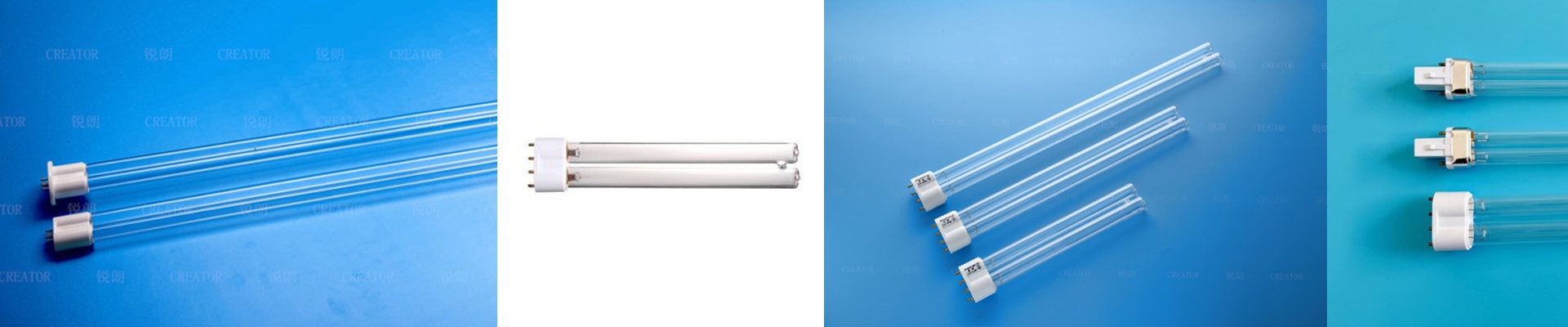
When you’re running an automated textile line, those UV lamps aren’t just “lights.” They’re actually where the magic happens—the final step that locks the ink into the fabric. If you’re printing at high speeds, you need the wavelength to be spot on. Otherwise, you’re either leaving the ink tacky or, worse, scorching your fabric. The Heat Struggle Here’s the thing about power density: it’s a balancing act. If you cram too many watts into a short tube, you get hotspots. And hotspots mean burnt fabric. We spend a lot of time tweaking the wattage and voltage so the UV output is the same from one edge of the fabric to the other. Now, if you want your line to move fast, you need high intensity. But that puts a massive strain on your cooling fans. If your airflow can’t keep up with the heat, your lamps are going to burn out way faster than they should. Glass and Light We stick with high-purity quartz glass. Why? Because we don’t want the lamp envelope soaking up the UV rays before they even reach the ink. Depending on how fast you need to cure, you’ve got two real choices. LEDs are great—they’re compact and they turn on instantly. But if you need the cure to penetrate deep into the material, the old-school mercury-vapor bulbs still win because they offer a broader spectrum. Making it Actually Work in the Shop We build these to just slide right into your existing automation frames. No fuss. We’re obsessed with the connectors. A loose connection leads to arcing, and arcing kills your ballast. It’s a headache nobody needs. Plus, we use reinforced housings so the lamps don’t shake loose when the machines start vibrating. But remember, there’s always a trade-off between speed and your electric bill. Pushing for a faster cure means cranking up the power, which can make the fabric shrink. You’ve got to find that sweet spot—tuning your conveyor speed to the lamp’s output so the ink is bone-dry but the textile stays perfectly flat.