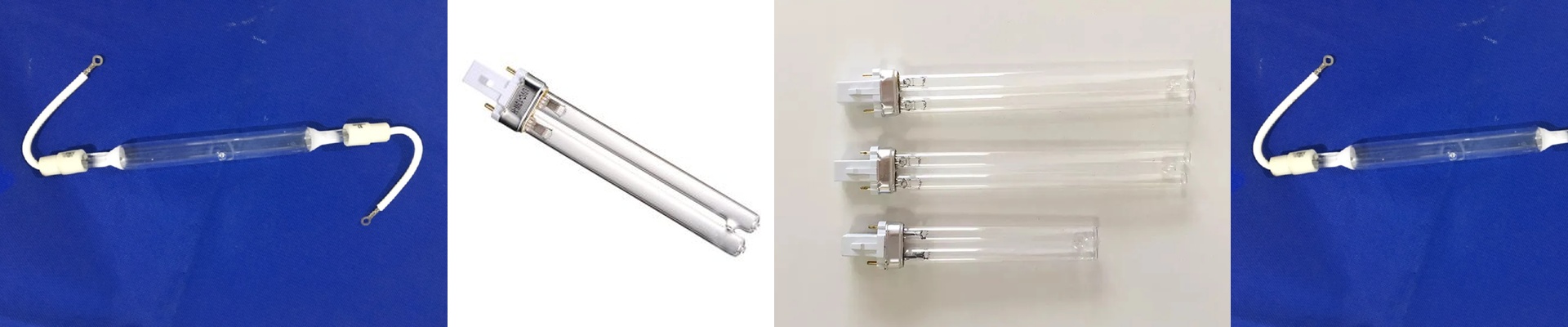
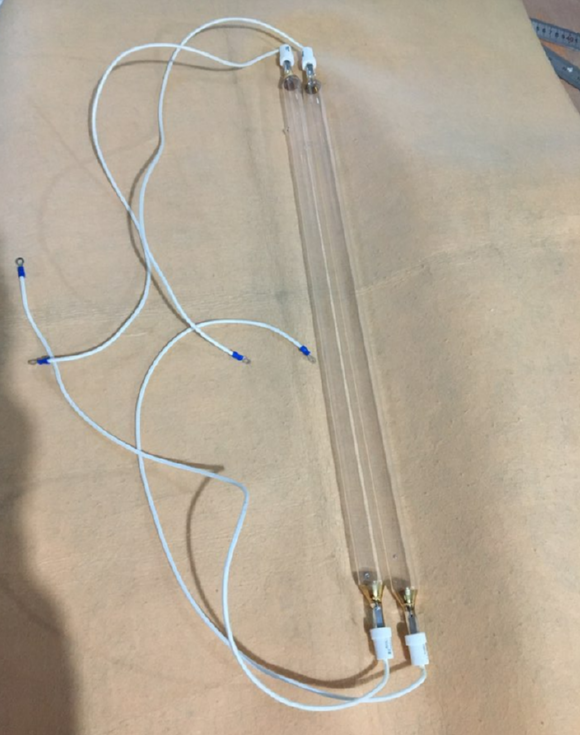
The Truth About Our Standard Mercury UV Bulbs
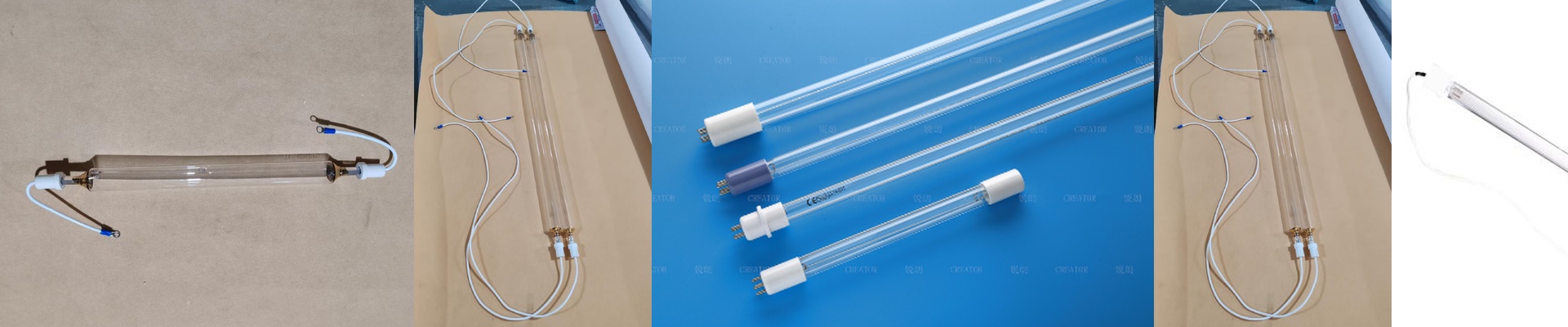
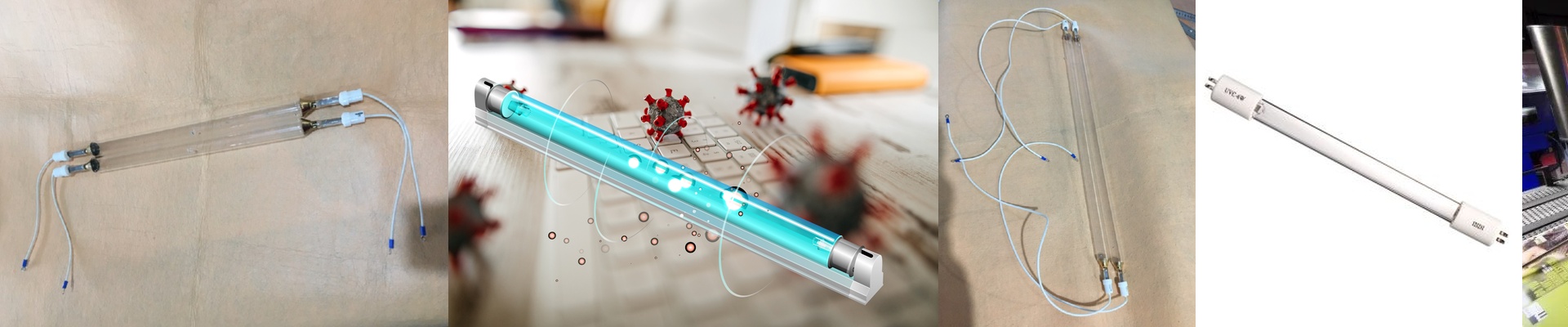
Let’s be real: mercury UV bulbs are the unsung heroes of the factory floor. They do the heavy lifting in photopolymerization, pumping out a broad spectrum of UV light (mostly between 254nm and 365nm) to make your inks, coatings, and adhesives snap into place.
Getting the power right
Inside the lamp, you’ve got mercury vapor. Once the ballast kicks in, that vapor ionizes and creates a high-intensity stream of UV. Now, here’s the tricky part: balancing the wattage and voltage. You want enough punch to cure those thick films quickly, but not so much that you start scorching your product. It’s a bit of a balancing act. High-wattage tubes will definitely speed up your production line, but they put a lot more stress on the glass.
Heat, quartz, and the “solarization” headache
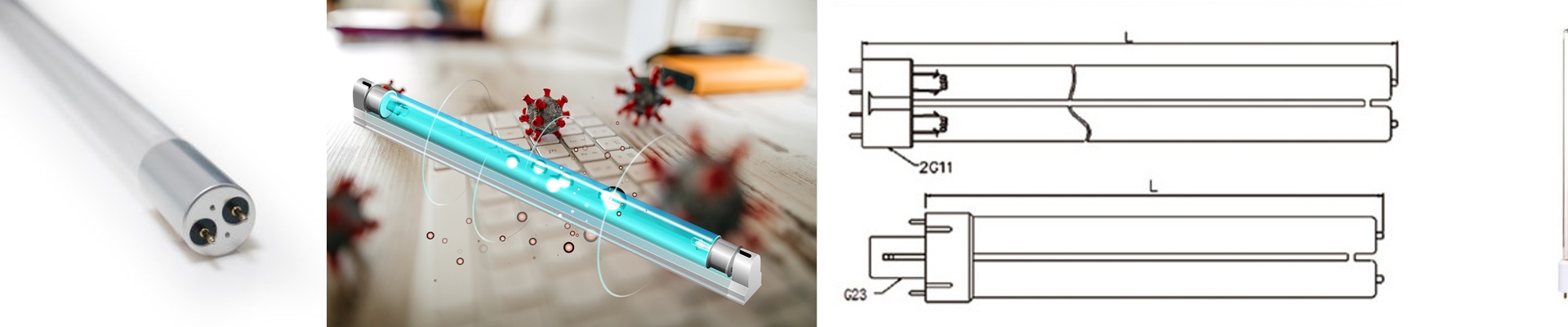
We use high-purity fused quartz for the tubing because it lets the UV rays fly through without getting blocked—and it can handle the brutal heat of the arc. But you have to keep them cool. If your fans quit or your air gap is too tight, the quartz can warp or “solarize.” When that happens, your UV output just dies.**Make sure your cooling system is actually built for the wattage you’re running.**It’ll save you a lot of grief.
Just plug it in and go
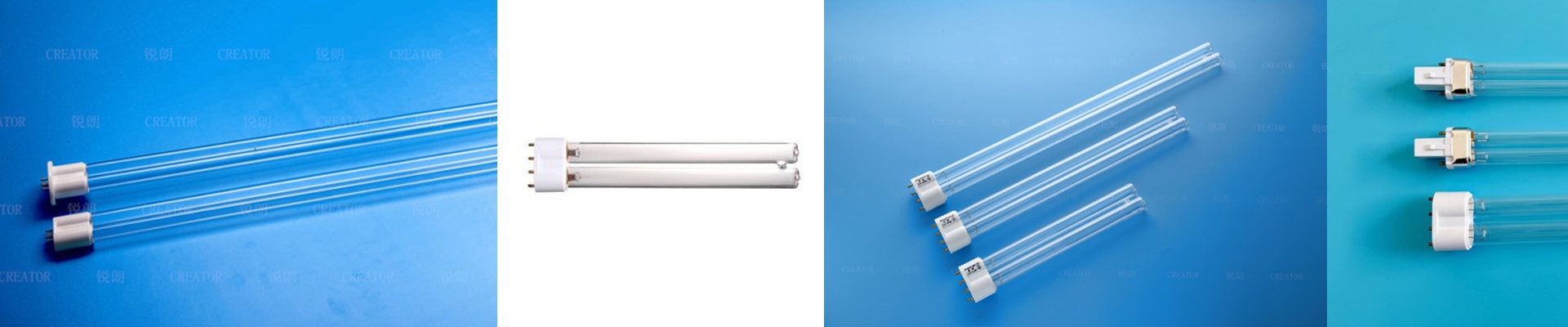
We designed these to be simple drop-in replacements. No fuss. We spend most of our time obsessing over the electrode seals and the gas fill. Why? Because if the mercury pressure is even slightly off, you’ll get uneven curing or the bulb will burn out way too soon. Nobody wants to stop the line for a premature bulb failure. We trust our gear. If our custom lamps don’t perform as well as the big-name brands at the same price, we’ll give you your money back. Plain and simple. These bulbs are built to take a beating in 24/7 shops. Just keep your electrical feed stable and your reflectors clean, and they’ll treat you right.