Getting UV Curing Right in Textile Printing
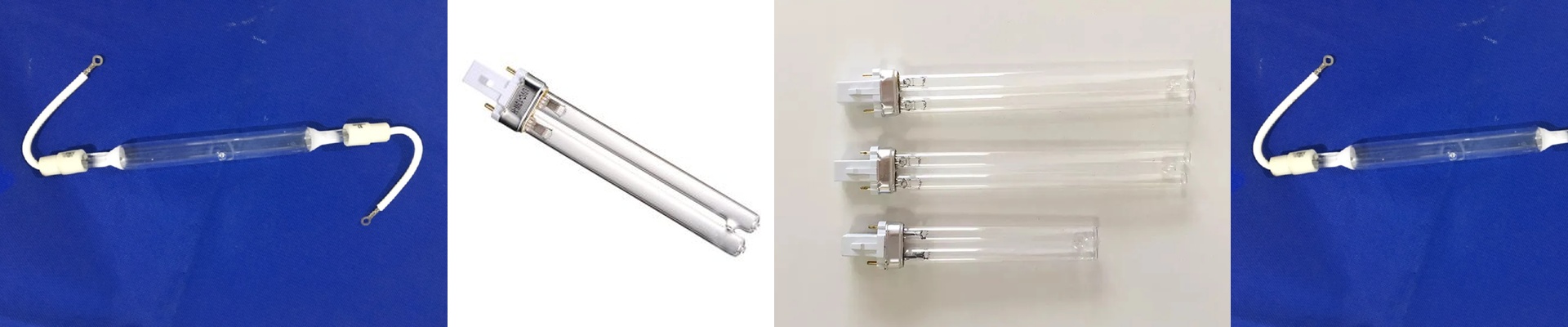
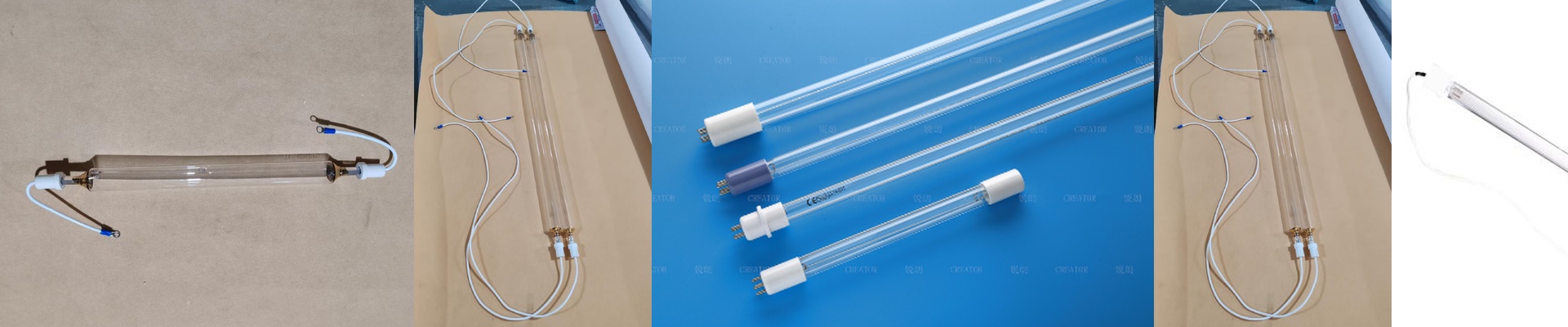
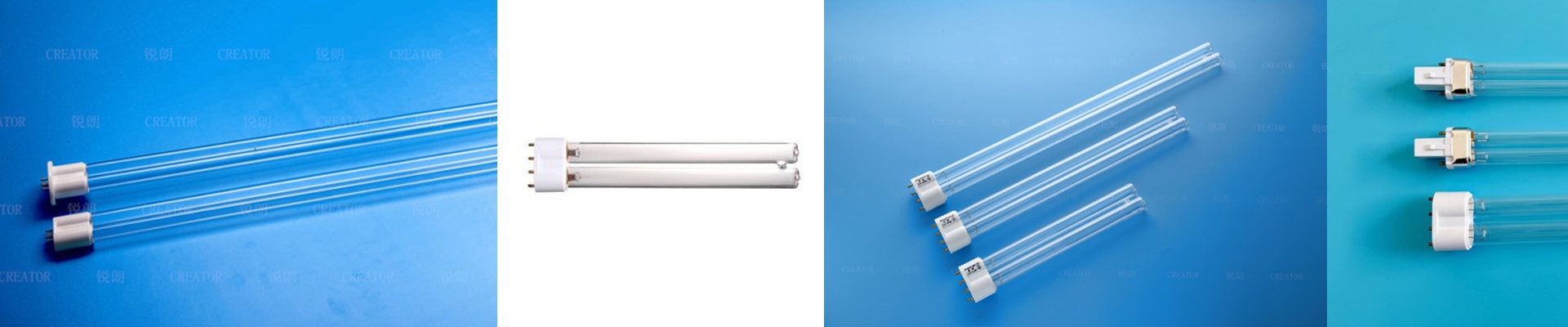
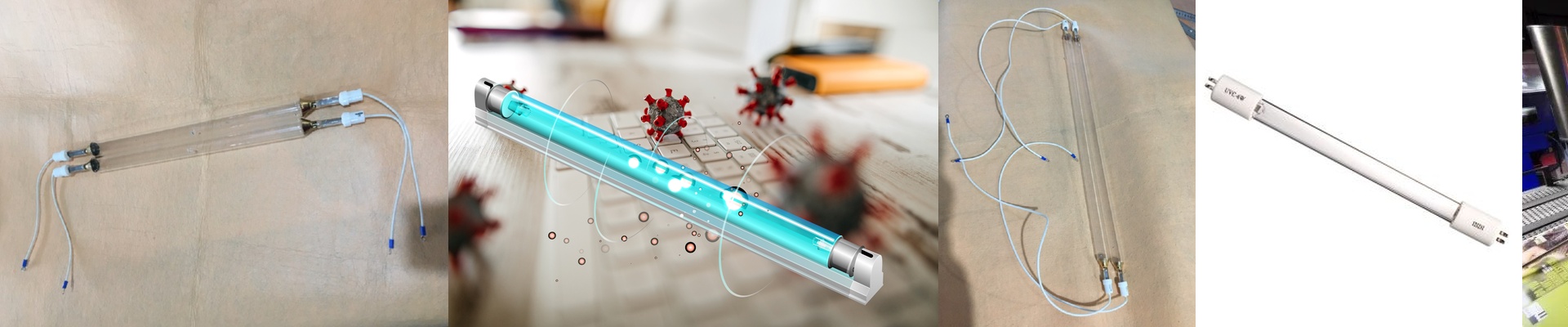
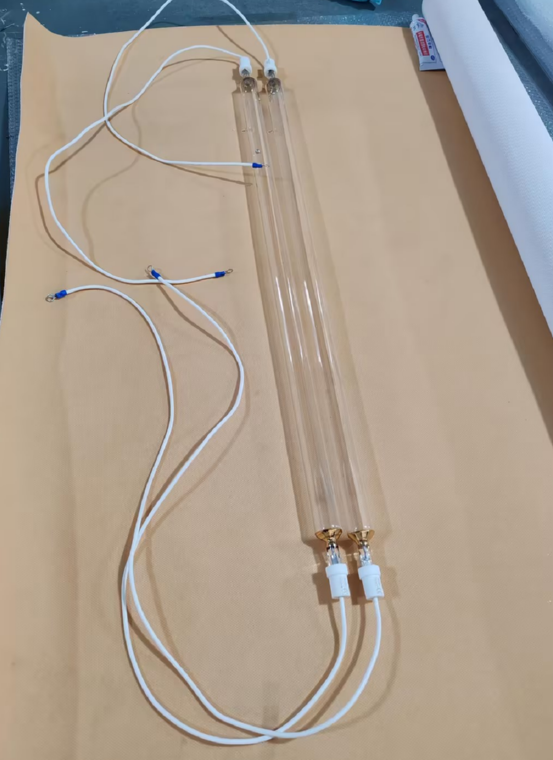
Think of UV lamps as more than just lights. They’re actually doing the heavy lifting—triggering a chemical reaction that snaps the ink onto the fabric instantly. It’s what stops the smudging and keeps those colors from fading after a few washes. With everything moving faster these days, the industry is pushing for way more intensity just to keep up with higher line speeds. The Balancing Act: Power vs. Heat Here’s the tricky part. To dry ink on a fabric web that’s flying by, you need a lot of power (we’re talking mW/cm²). But if you crank up the wattage to speed things up, you’re also cranking up the heat. It’s a trade-off. If your conveyor speed isn’t perfectly synced with the lamp’s power, you risk scorching your delicate synthetics. Nobody wants a finished product that’s shrunk or melted because the UV dose was too aggressive. The Secret is in the Glass We use high-purity fused quartz for the envelopes because it lets those specific UV-C and UV-B waves pass right through. Standard glass would just soak them up. Some of our tubes even use “doped” quartz to tweak the light for specific ink types. One pro tip:**be careful when you install them.**A single fingerprint or a smudge of oil on the quartz can create a “hot spot.” That’s a one-way ticket to a premature tube failure. Keeping Things Running We’ve gone with plug-and-play connectors because nobody likes wasting hours on a lamp swap. But watch your wiring. Your ballast has to match the lamp’s impedance exactly. If they’re off, you’ll see flickering, or worse, the electrodes will burn out in a few hundred hours. And don’t wait for the light to go out to replace the bulb. UV output starts dipping long before the lamp actually dies. Keep an eye on your hour-meters and swap them out on a schedule. It’s the only way to make sure your quality stays consistent.