Getting Your UV Wavelength Exactly Right
Most UV lamps you buy off the shelf are kind of a “catch-all.” They throw a broad spectrum of light at your project and hope for the best. But in a lab? That just doesn’t cut it. Sometimes, the only thing that matters is one specific nanometer range. Maybe you need a sharp peak at 254nm to kill bacteria, or a very tight window to get a photo-cure to actually set. We don’t do “close enough.” We build the lamp around the exact wavelength your process demands.
The Secret Sauce: Gas and Glass
How do we actually nail that peak? It comes down to what’s inside the tube. We tweak the gas fill and the electrode materials. By messing with the mercury vapor pressure or mixing in some noble gases, we can shift the output. We aren’t guessing here—we use spectrophotometers to make sure the light hitting your sample is exactly what you asked for. Then there’s the glass. Standard quartz is fine for some things, but it actually blocks certain UV bands. To stop the glass from “eating” your light, we use high-purity synthetic silica. It lets the shortest wavelengths slide right through.
Dealing with the Heat
Here is the tricky part: high-intensity UV creates a ton of heat. It’s a balancing act. If you want more power in a smaller space, the heat density spikes. If you try to run a high-wattage custom tube without some kind of forced-air cooling or a water jacket, you’re going to fry your electrodes. It’s a quick way to kill an expensive lamp.
Making it Actually Fit
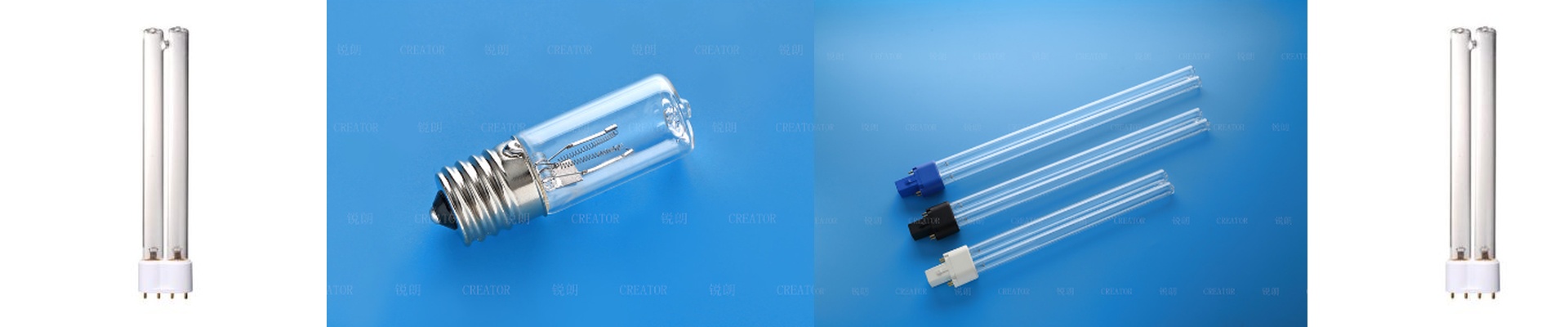
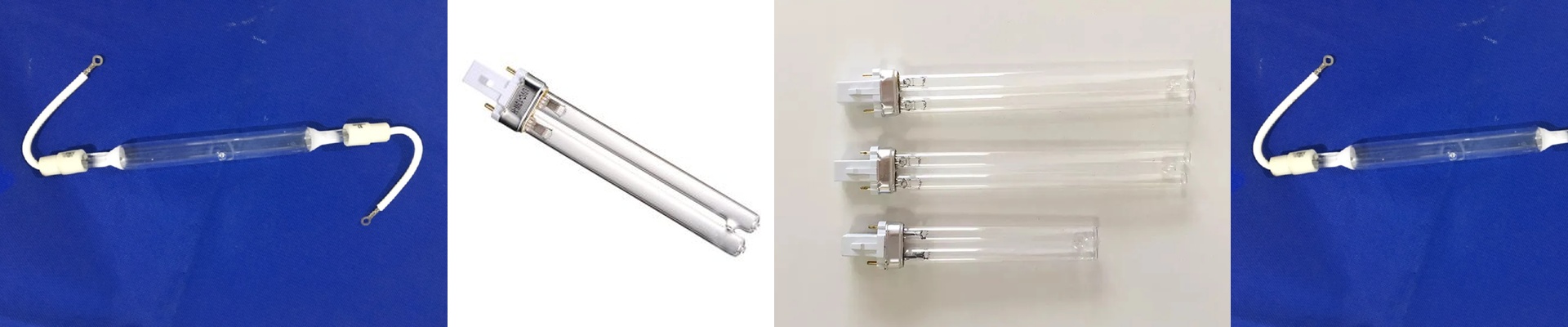
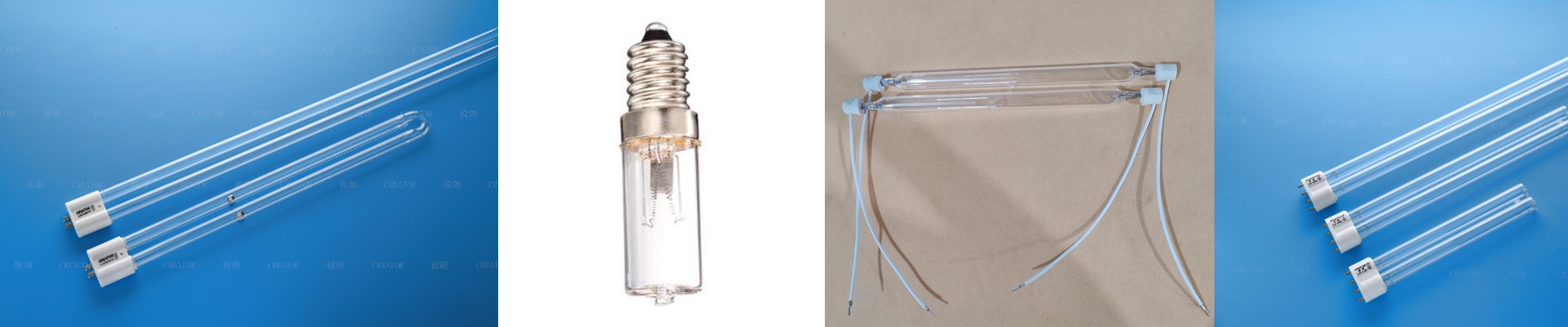
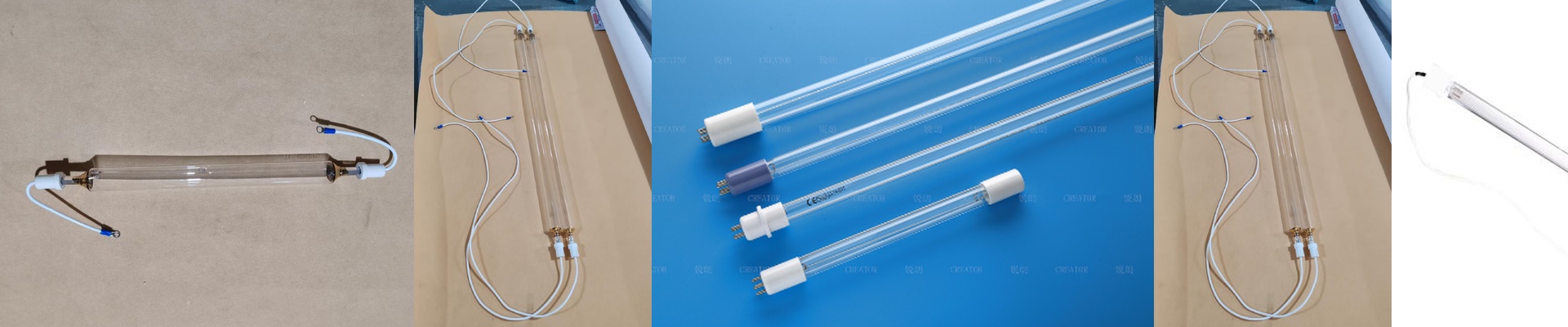
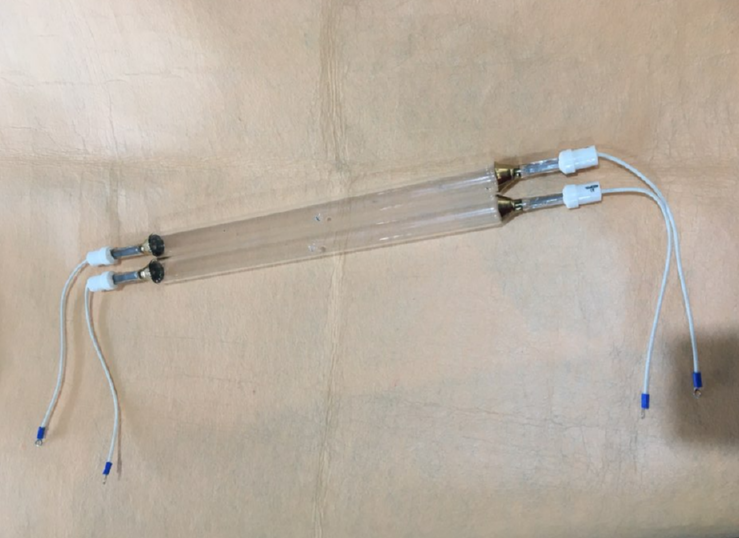
There is nothing worse than getting a custom lamp only to realize it doesn’t fit your rig. We make these as drop-in replacements. Whether you have a weird end-cap shape or specific wiring for your ballast, we map it all out first. You get a lamp that fits the physical space and plays nice with your electrical load. We handle the nerdy physics of spectral purity so you can just focus on your chemistry.