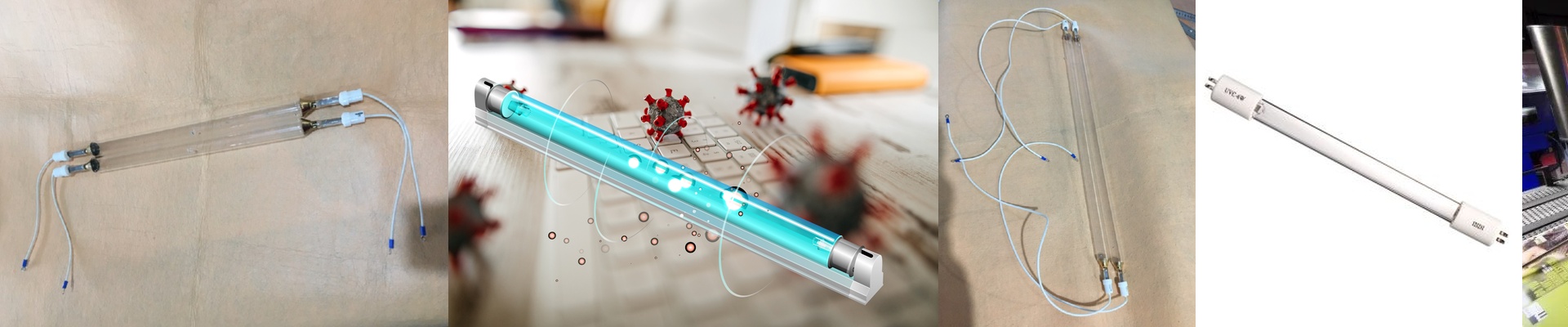
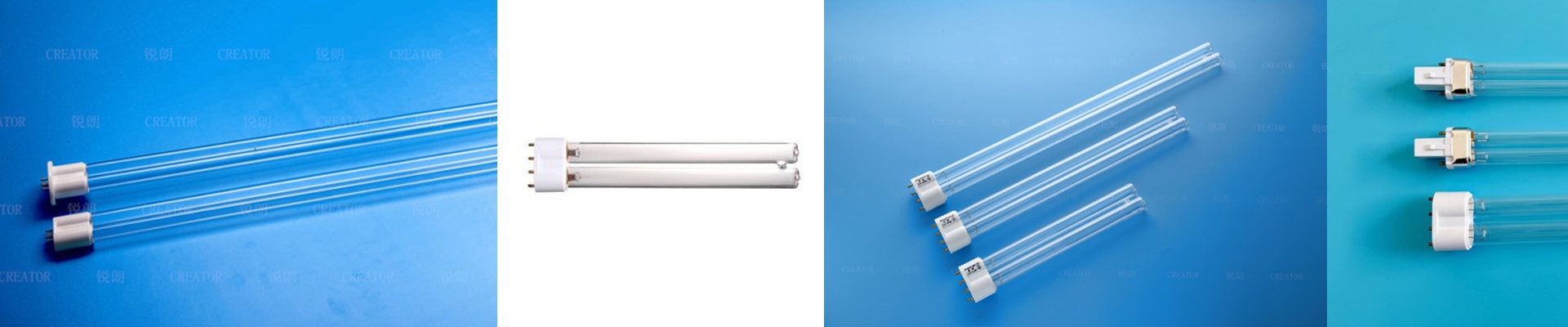
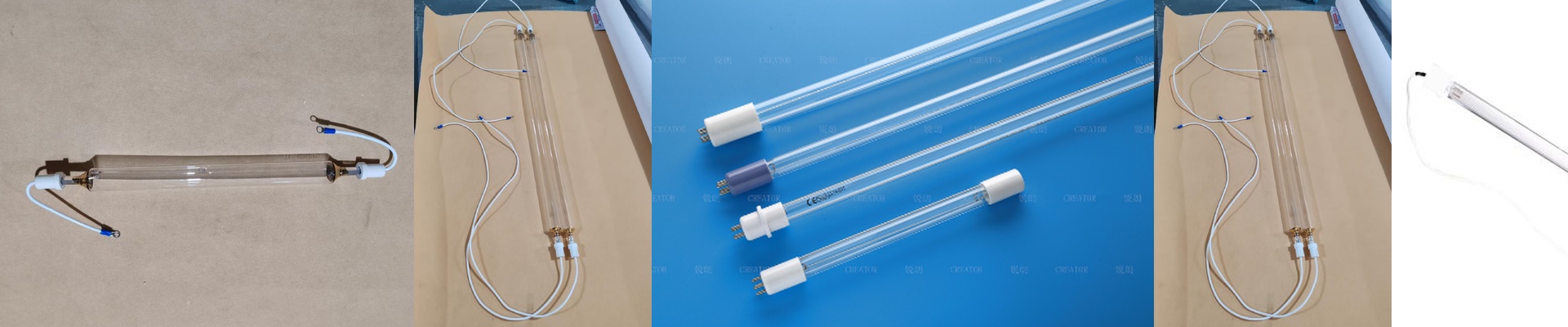
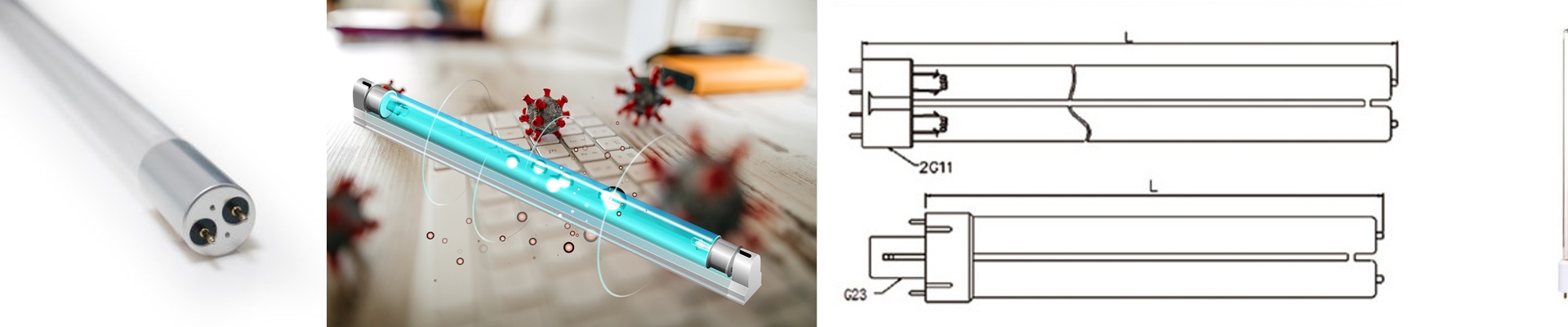
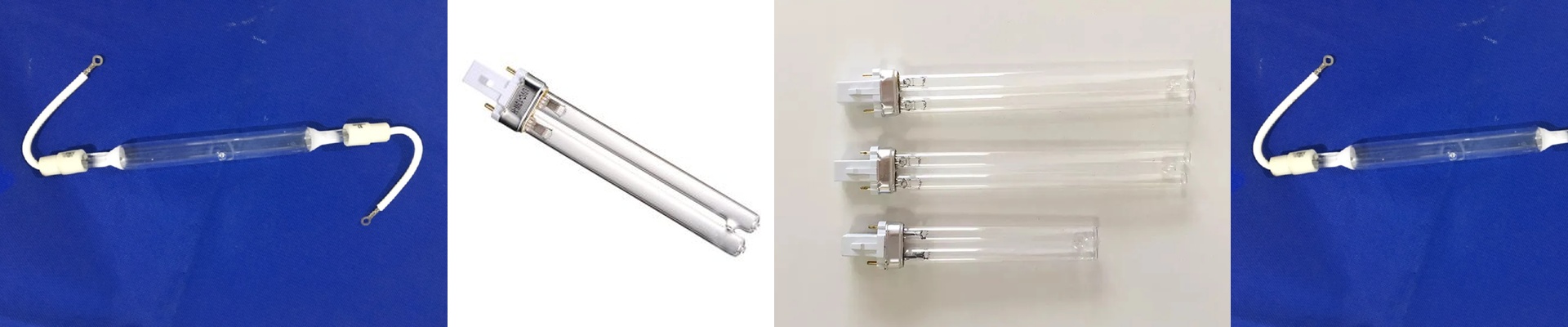
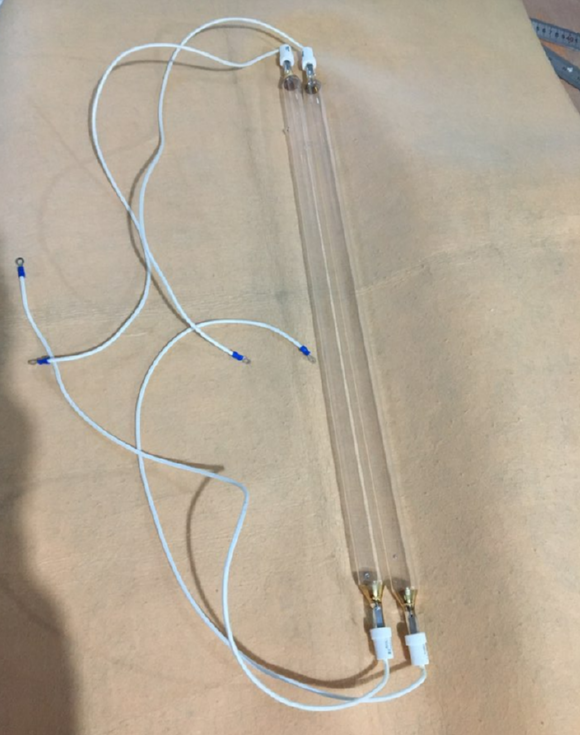
In disinfection robots, the hold-up isn’t movement—it’s dwell time. Conventional UVC setups need long exposure to hit the required log reduction, which keeps robots tied up and stretches out the work window. We built our Germicidal UVC T5 and T8 tubes to tackle that bottleneck head-on. What actually matters on the technical side Dose is what governs disinfection: irradiance times exposure time. Our T5 and T8 lamps put out strong 254 nm germicidal emission with tight arc control, so you get high peak irradiance right at the target plane. That means more dose per unit time, so you can cut dwell without giving up microbial kill. We keep output stable with an optimized amalgam formulation and a low-loss electrode design, so irradiance stays predictable across the life of the lamp. And we call out performance by delivered intensity, not nominal wattage—because only measured field irradiance lines up with real disinfection throughput. Why this fits the robot application On an autonomous disinfection robot, shorter dwell per zone translates into faster cycles, more throughput per charge, and fewer passes to cover a space. The T5/T8 package is compact, so it drops cleanly into tight robot chambers, and with intelligent ballast support you can modulate power to match speed and standoff distance. Ozone-free quartz envelopes keep indoor air chemistry neutral, and the construction holds up to the vibration and thermal cycling you see on mobile platforms. A few shop-floor details to get right High irradiance means you have to manage heat. Mount the lamp with enough clearance, and make sure the robot’s airflow keeps hot spots off the quartz—too much heat shortens lamp life and shifts output. Check ballast compatibility for the specific T5/T8 model, and confirm connector orientation to avoid intermittent arcs. And treat the UVC output as hazardous: build interlocks and shielding into the chassis so the system stays safe during operation and maintenance.