On the press line, nobody gives the UV system points for a clean start. You get judged at 3,000 hours. At 5,000. When the lamp has aged and the reflector has lived through a few hundred heat cycles. That’s where the UV output maintenance factor decides whether you get consistent cure—or your operator starts chasing adhesion and scratch resistance by cranking up power instead of fixing the real issue.
What matters, technically
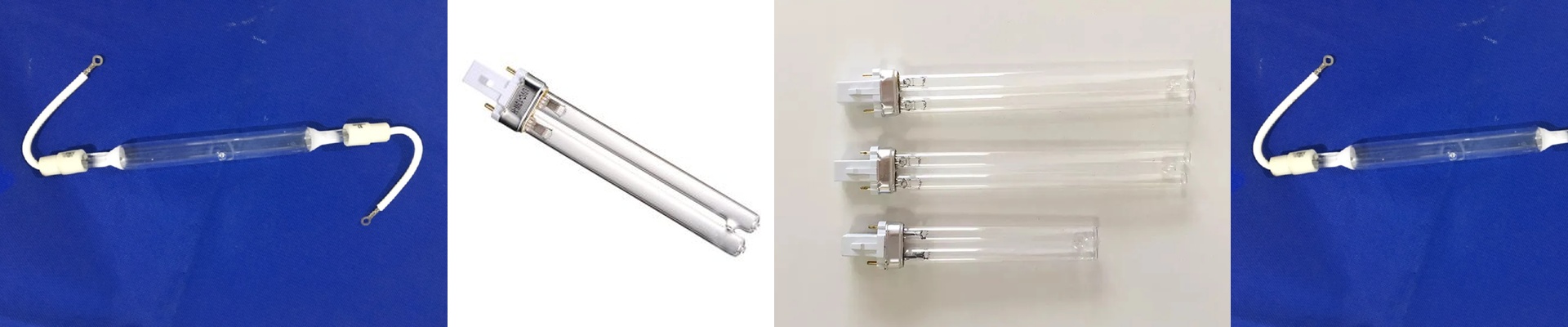
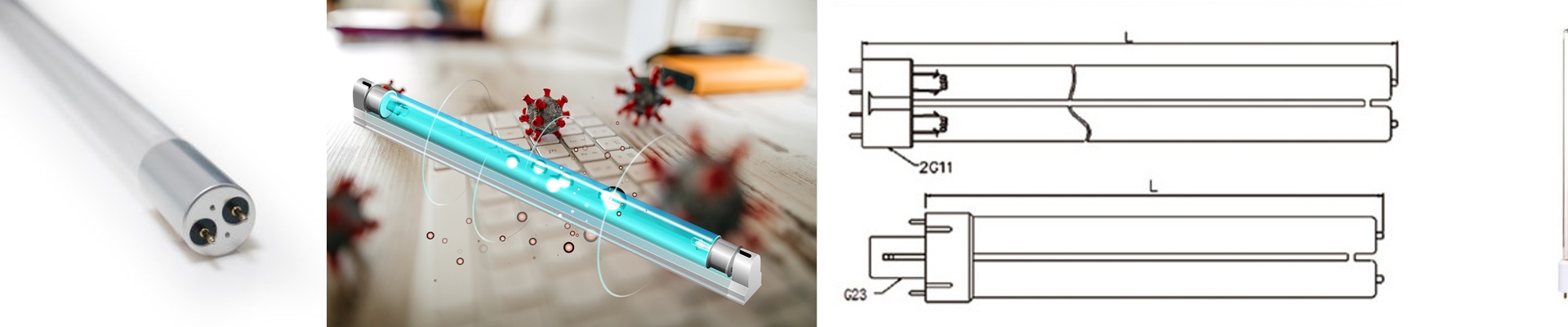
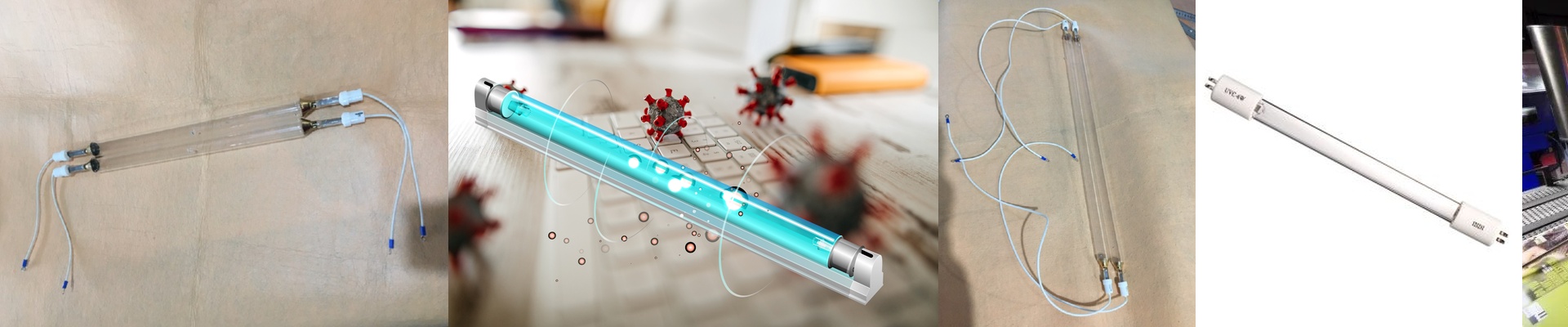
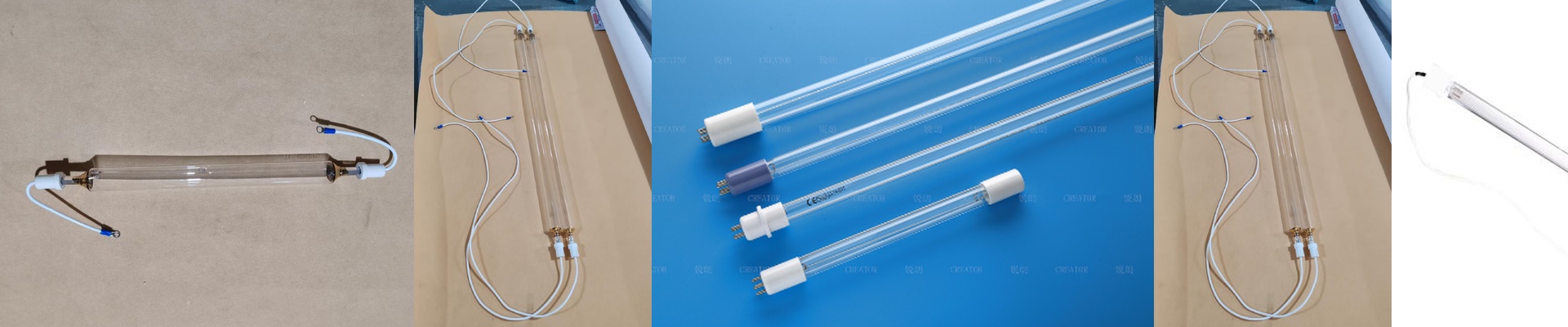
UV output maintenance factor is simply the fraction of usable UV irradiance you still have over time, compared to the baseline when the lamp was new. In the real world, you need stable spectral output right where the photoinitiator absorbs—typically 365 nm on mercury-based systems, with additional output around 385 nm and 405 nm depending on the chemistry. The numbers that matter are peak irradiance (mW/cm²) at the substrate plane, delivered energy density (mJ/cm²) per pass, and the lamp’s output decay curve. High-pressure mercury vapor lamps give you high peak irradiance, but output drops as electrodes erode and the envelope darkens. A well-designed lamp and reflector package keeps that decay on a controlled slope, so the radiometer reading at the web stays predictable.
Why this matters on the floor
In industrial UV curing—offset, flexo, or screen—it always comes back to the same equation: dose versus speed. If lamp output drops 15% at the same lamp power, you either slow the line or accept under-cure. Keeping the maintenance factor stable holds the energy density window steady, so you can keep line speed without re-qualifying the cure window every time you change a lamp. That means fewer rejects, less variability from solvent or low-migration inks, and fewer unplanned stops just to “dial it in.” Energy use stays closer to plan, too, because you’re preserving reflector efficiency and dichroic coating performance instead of compensating by overdriving the lamp.
What you need to know
Match the spectral output to the ink’s photoinitiator package. 365 nm is not universal. Know the cure threshold in mJ/cm² for your specific formulation, and measure at the substrate—not at the lamp window. Output falls faster when the lamp runs hot, when airflow is weak, or when the reflector is contaminated. Those issues stack and accelerate aging. Treat lamp and reflector as a matched set for replacement, and track irradiance with a calibrated radiometer. Make maintenance factor a measurable process, not a guess.