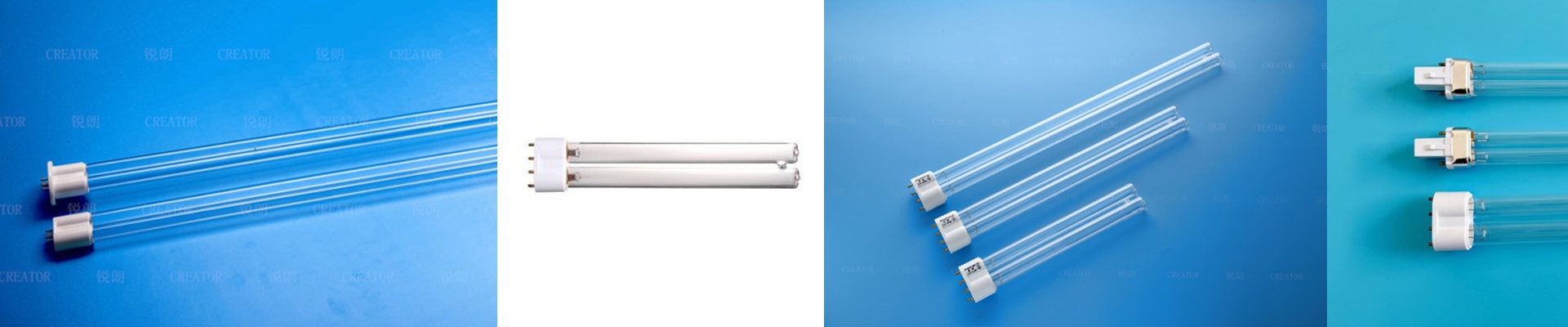
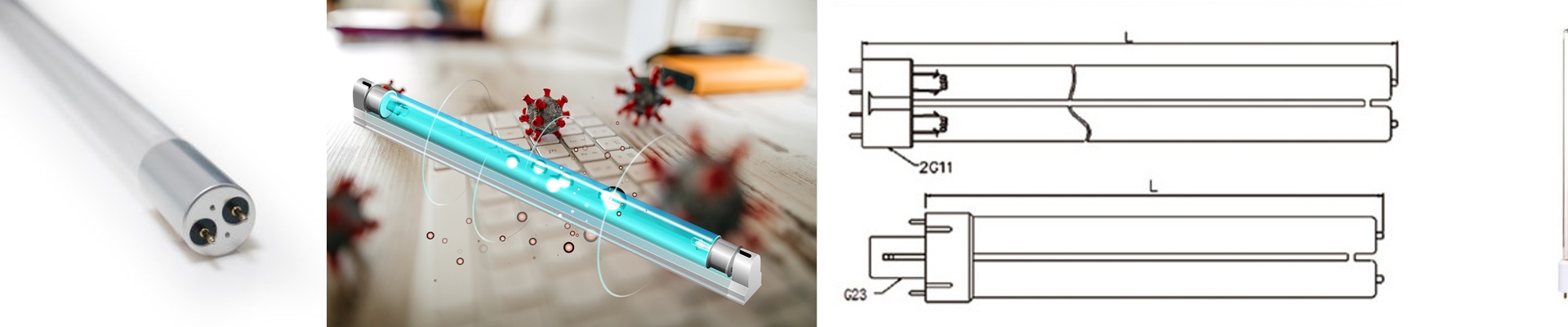
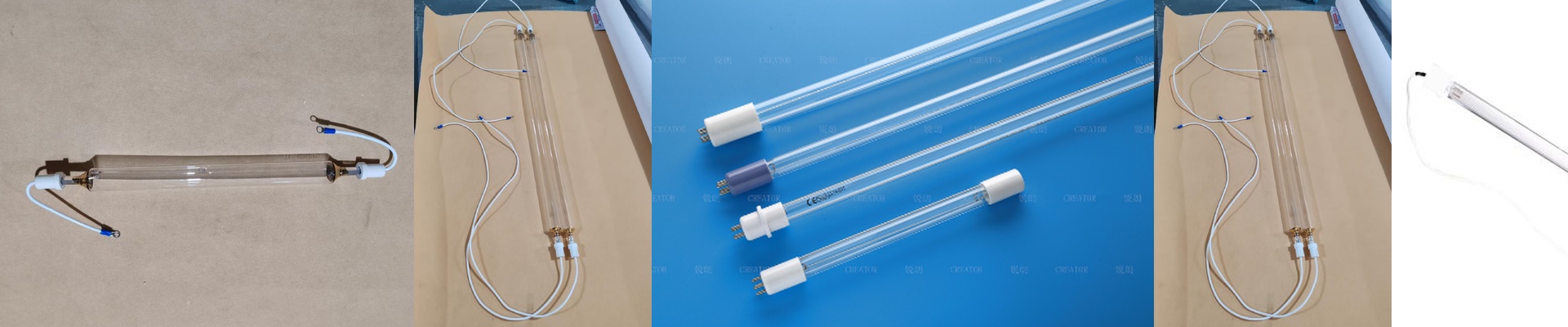
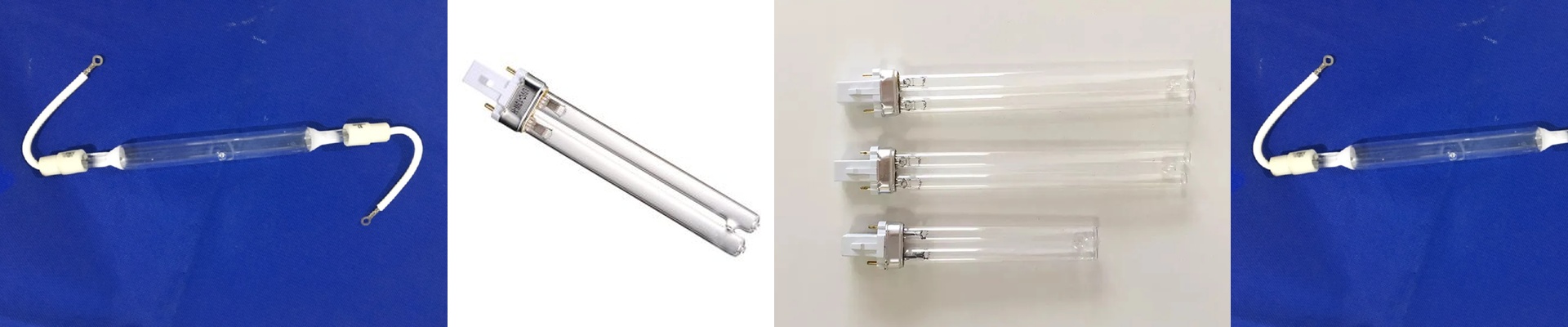
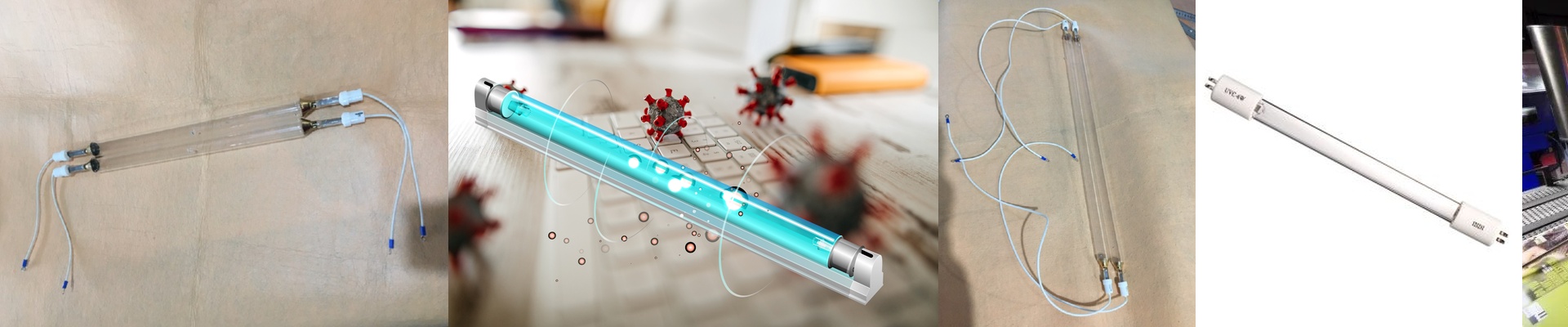

On the press floor, ozone isn’t just a smell. It’s a measurable byproduct that loads up the ventilation, makes operators cough, and pushes you into PPE. We built our UVC lamps with ozone-free quartz glass to stop that chemistry at the source. Paired with a high-frequency electronic ballast, the system holds steady spectral output—and keeps the air in the work area breathable. What matters technically Ozone forms when short-wave UV below ~240 nm breaks apart O₂. Our ozone-free quartz glass drops that emission band, so the lamp stays in the germicidal/curing range without dumping excess ozone. The electronic ballast keeps the arc stable, cutting current ripple that can broaden spectral lines and drift peak irradiance. You get consistent lamp voltage regulation, fast restrike, and repeatable power delivery—so your UV dose map stays intact across job changeovers. Why it works in the real world In UV curing and disinfection, photoinitiator response and microbial kill both depend on predictable irradiance at specific wavelengths. Going ozone-free reduces the need for heavy extraction and recirculation filters, which eases HVAC load and cuts maintenance. With stable lamp current and controlled spectral output, you get uniform cross-linking, fewer hot spots, and consistent throughput—without trading operator health for performance. Here are the practical details Ozone-free quartz glass has a different transmission curve than standard doped quartz, which can shift the effective UV output profile. Make sure reflector dichroic coatings and lamp positioning are matched to your target wavelength band. Also, electronic ballasts are sensitive to line noise and harmonics. Spec proper EMI filtering and grounding—otherwise you risk interference and shortened lamp life.