
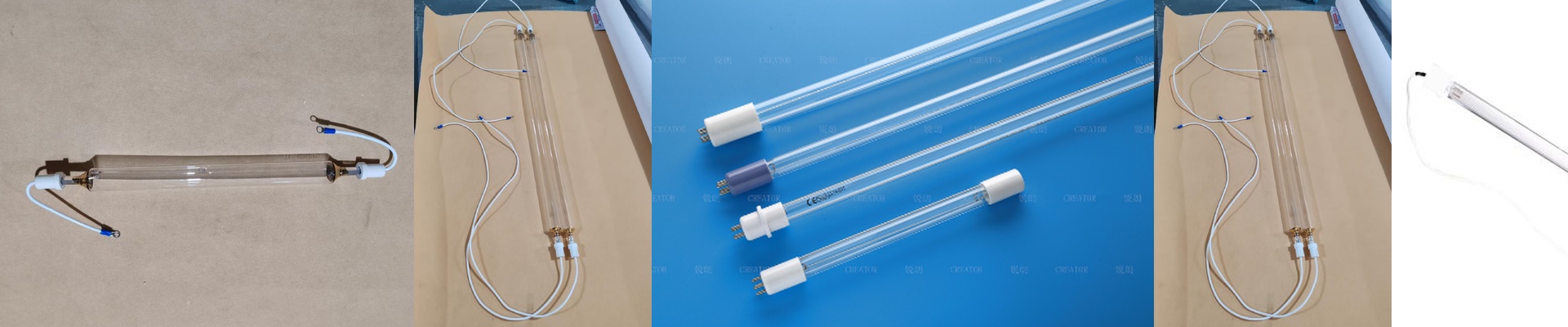
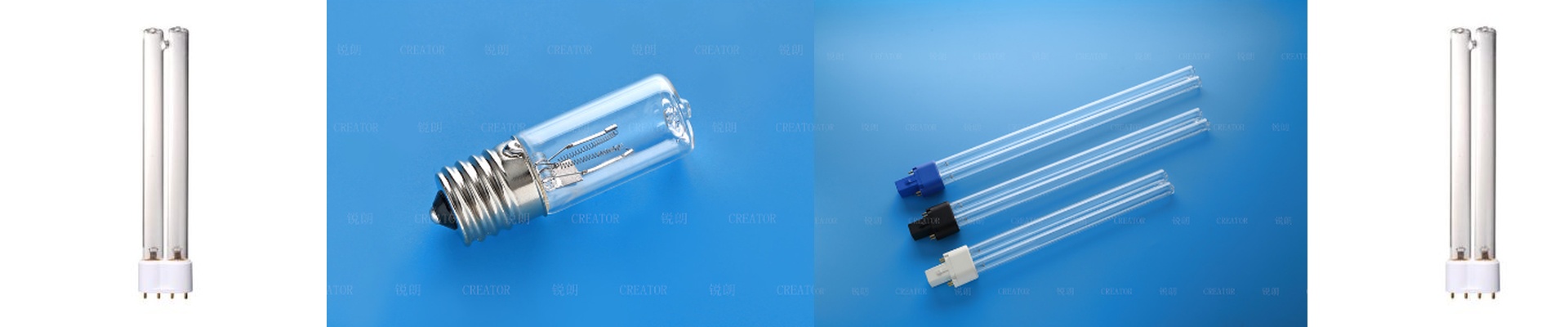
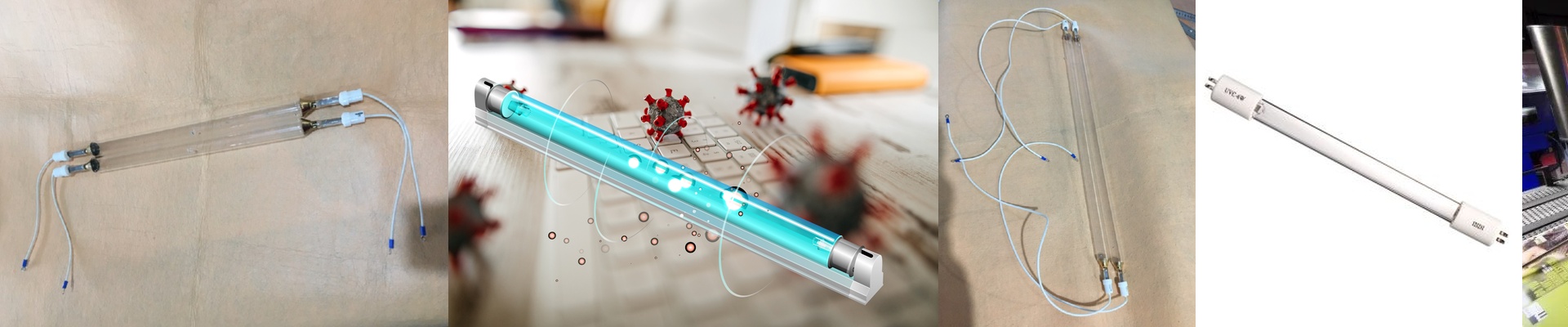

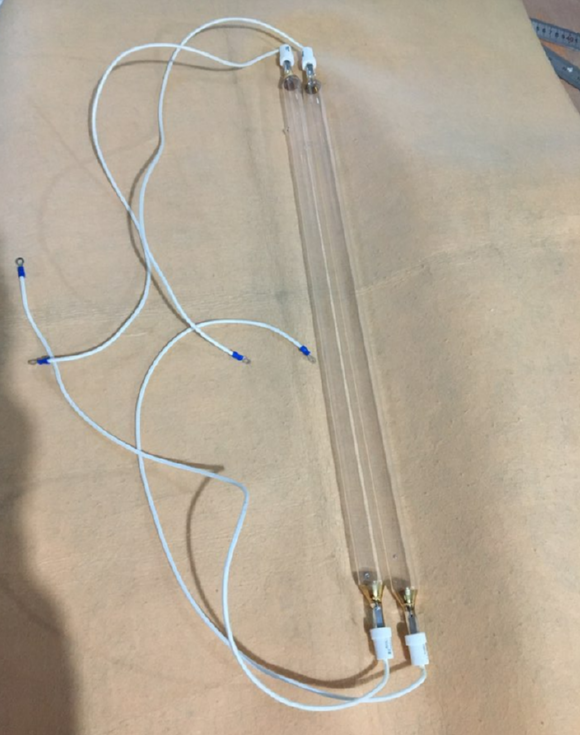
Let’s Talk About Gallium Iodide Lamps
If you’ve ever dealt with the frustration of a print that looks dry on top but feels tacky or “gooey” underneath, you know exactly why we make these lamps. Standard mercury vapor lamps are great, but they have a limit. When you’re working with thick ink layers or heavy pigments, those standard UV waves just bounce off the surface. They can’t get deep enough. That’s where gallium iodide comes in.
The Secret is in the Light
Here is the thing: we’ve shifted the light profile. Instead of the usual output, these lamps hit hard in the 365nm to 405nm range. Why does that matter? Because that specific light can actually punch through dense pigments. It doesn’t just skin the surface; it reaches all the way to the bottom. You get a full, solid cure across the whole layer. No more worrying about the ink peeling or smudging later.
Getting Them Into Your Line
We didn’t want you to have to rip out your entire setup just to try these. We build our tubes to fit right into the industrial housings you already have. They’re basically drop-in replacements. We use a specific kind of quartz for the envelope so the UVA and UVB light gets out without getting trapped. We also obsess over where the electrodes sit. If they’re off by a hair, the lamp burns out too fast. We don’t let that happen. But a quick heads-up:keep an eye on your ballast. Gallium lamps are a bit pickier about how they start up. If your power supply isn’t matched to the exact wattage and voltage of the tube, you might struggle to get the arc to strike, or you’ll just kill the lamp’s lifespan.
The Trade-offs (Keeping it Real)
These lamps are the workhorses for high-speed printing presses. They provide the raw energy needed to trigger those photoinitiators in your inks and keep the line moving. But there’s a catch: they gethot. Seriously hot. Because the energy density is so high, your cooling system has to be on point. If your fans are acting up or your reflectors are covered in grime, the tube will overheat. In the worst cases, the quartz can actually crack. Keep your optics clean. It’s a simple chore, but it’s the only way to make sure the light actually hits your substrate and your lamps last as long as they should.