

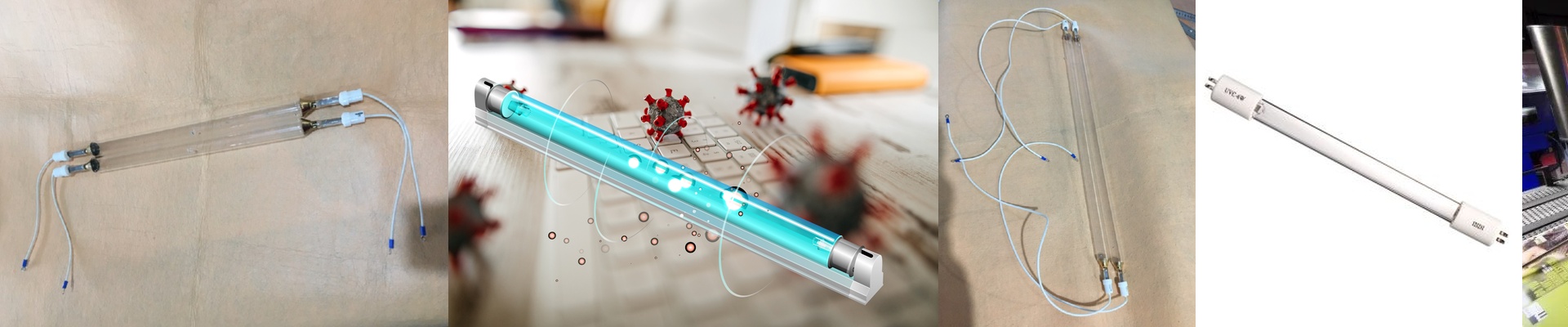
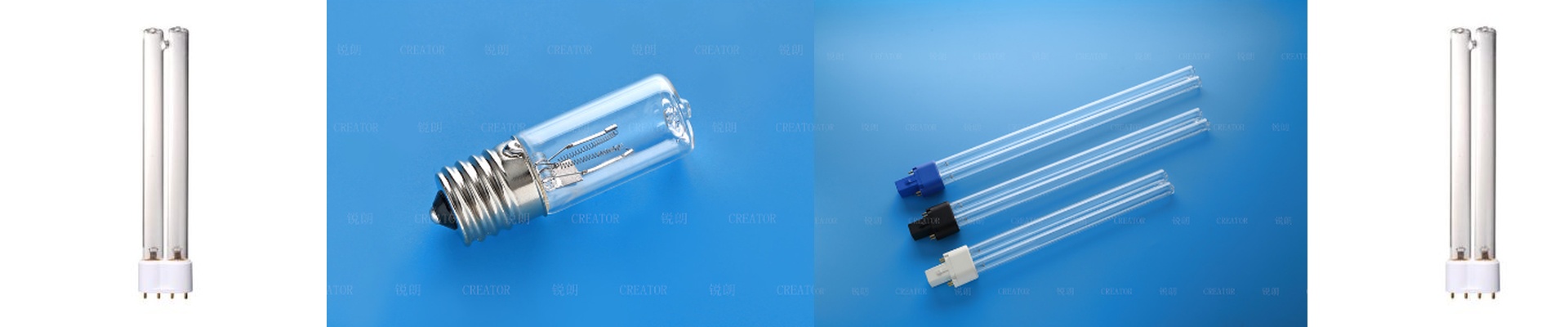
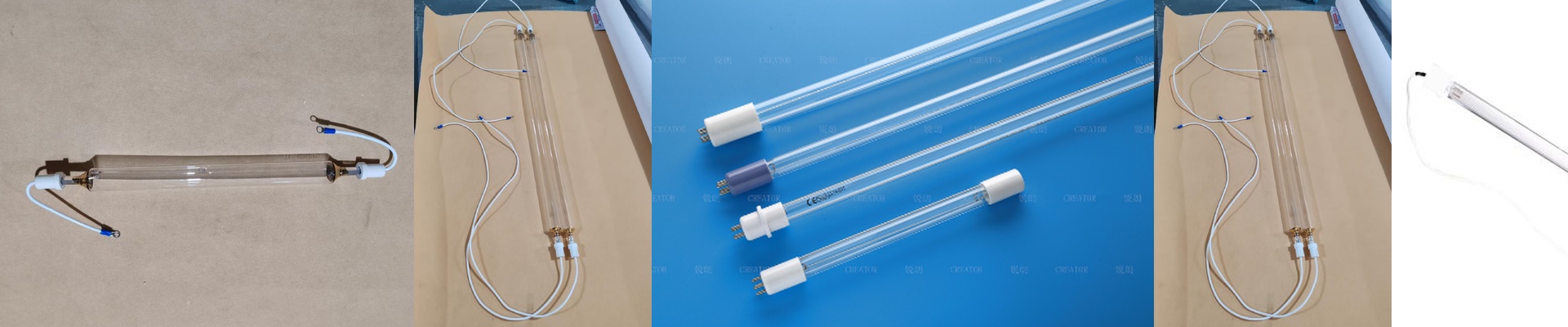
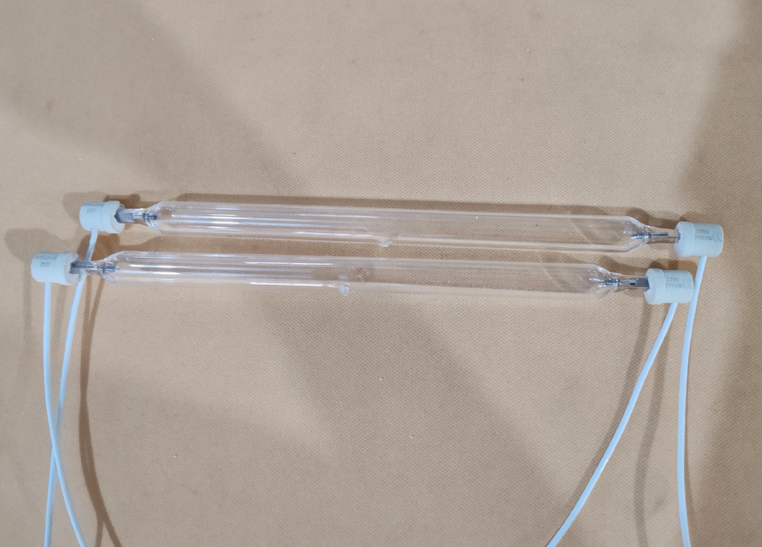
Let’s talk Gallium Iodide UV Lamps
If you’re used to standard mercury vapor tubes, GaI lamps are a different beast. Instead of the usual output, we use gallium to shift the light into that 250nm to 350nm sweet spot. It’s a specific tool for a specific job. If your photoinitiator isn’t playing nice with mercury peaks, these are your best bet for deep-UV curing.
Dealing with heat and power
Here is the thing about wattage: more power means more photons, which means your line moves faster. Everyone loves speed. But that speed comes with a catch—heat. If you’re pushing a lamp to its limit, you can’t just hope for the best. You need active cooling. Without a solid heat sink, you’re risking a stressed quartz envelope or electrodes that burn out way too soon. We spend a lot of time balancing the tube’s length and diameter so your machine doesn’t overheat or feel cramped.
Getting them into your system
We use high-purity synthetic quartz because we want as much UV light as possible to get through. For the OEMs out there, we make this easy. Whether you need a standard pinch-seal or some weird custom electrical connector, we build the lamp to be a drop-in replacement. No hacking your hardware to make it fit. Plus, you can put your own brand on these. We handle the messy chemistry and the electrode positioning; you handle the customers. If you need a specific wavelength, just let us know and we’ll tweak the gallium concentration for you.
The trade-offs
Nothing is perfect. The upside? You get a tight, targeted spectrum. That means less wasted energy and your substrate doesn’t get baked. It’s a cleaner process. The downside? Gallium costs more than mercury. These lamps are pricier to make and they’re a bit pickier about power. You’ll need a steady ballast. If your power supply starts jumping around, your UV output will dip, and that’s where the trouble starts.