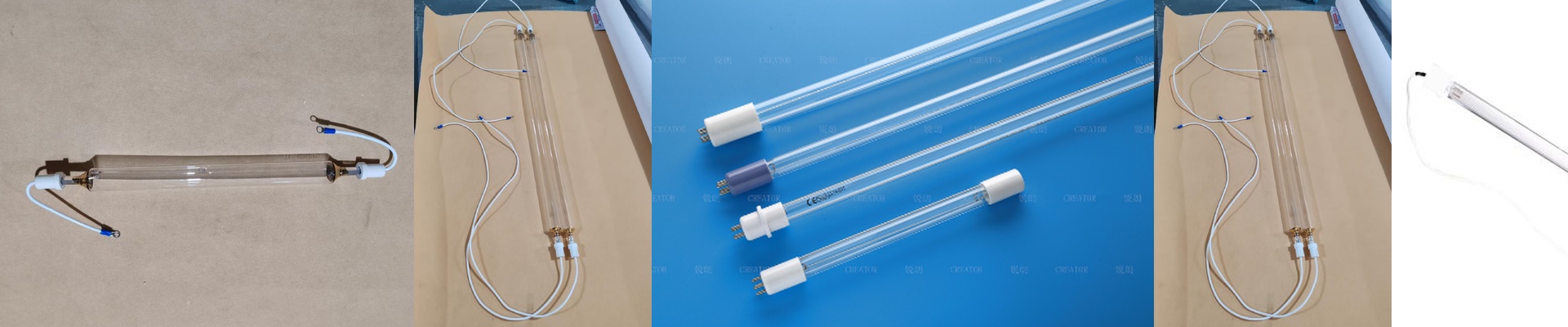
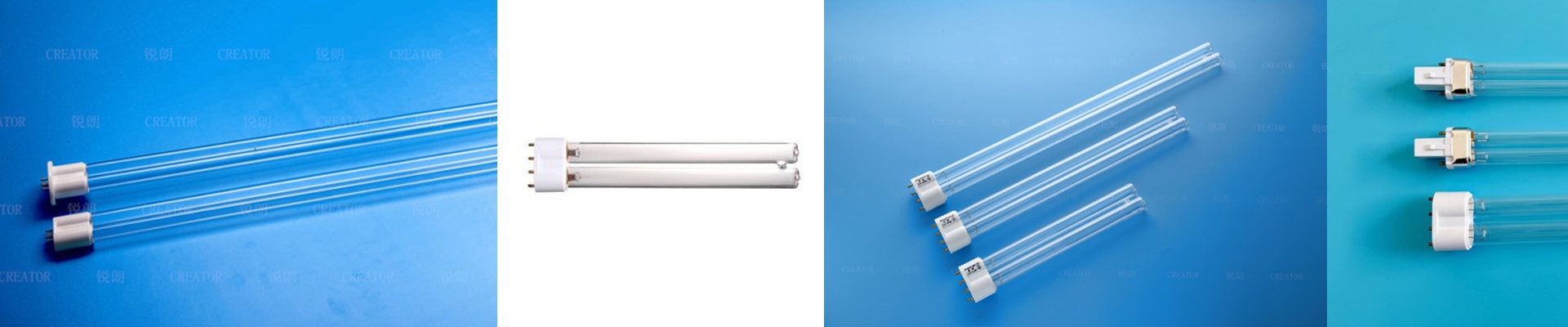
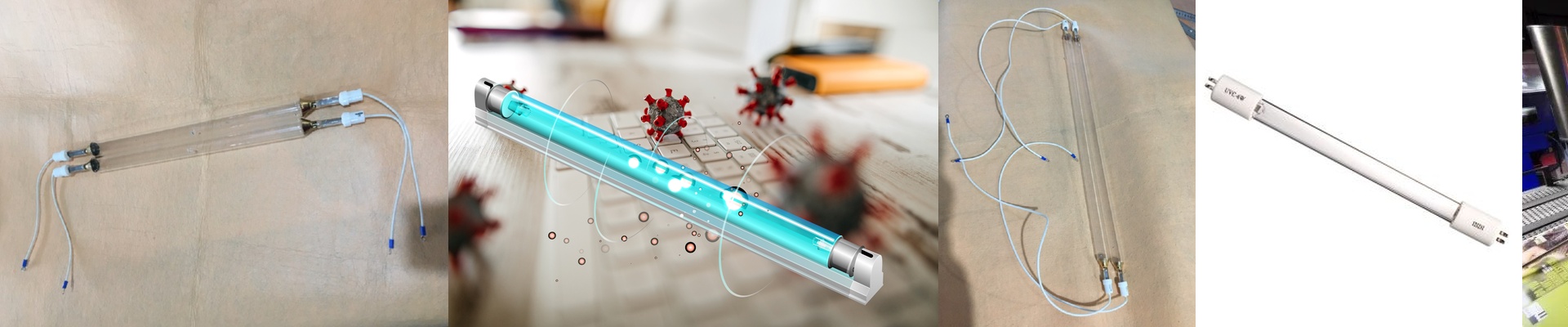
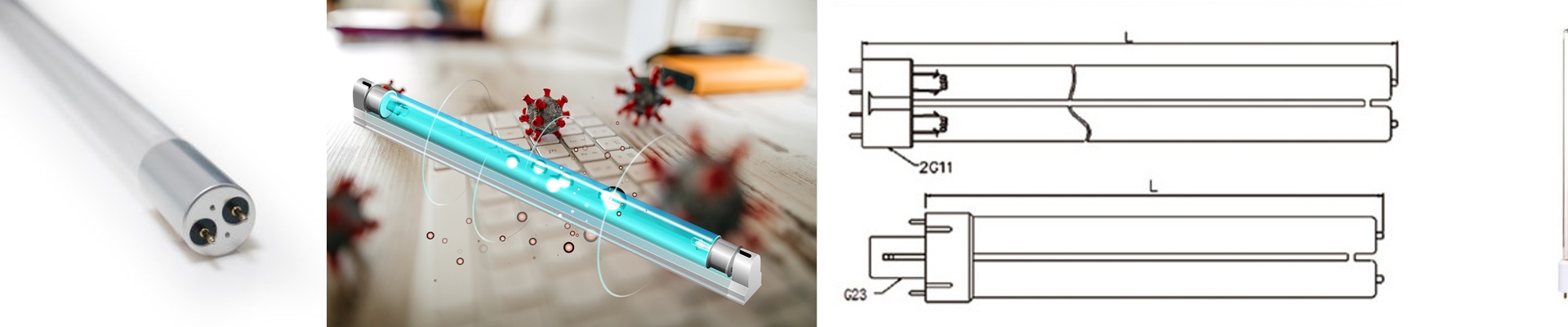
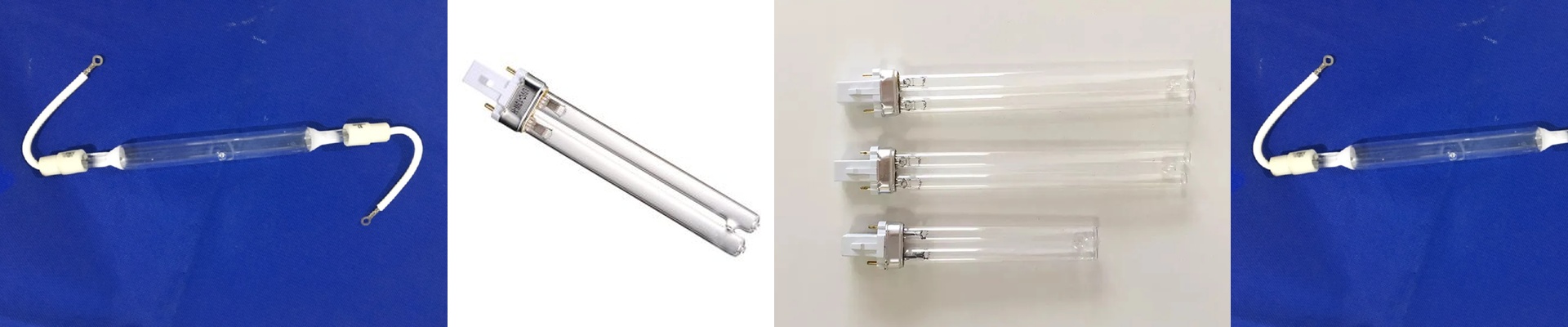
The UV lamp market is crowded, and cutting corners on components is a fast track to trouble. Non-compliant parts put your production line at risk—not just with immediate regulatory headaches, but long-term liability down the road. **CE certification isn’t just paperwork.**It’s proof the lamp tube, reflector, and driver system meet the harmonized safety and EMC requirements for industrial equipment. Plain and simple.
What matters under the hood
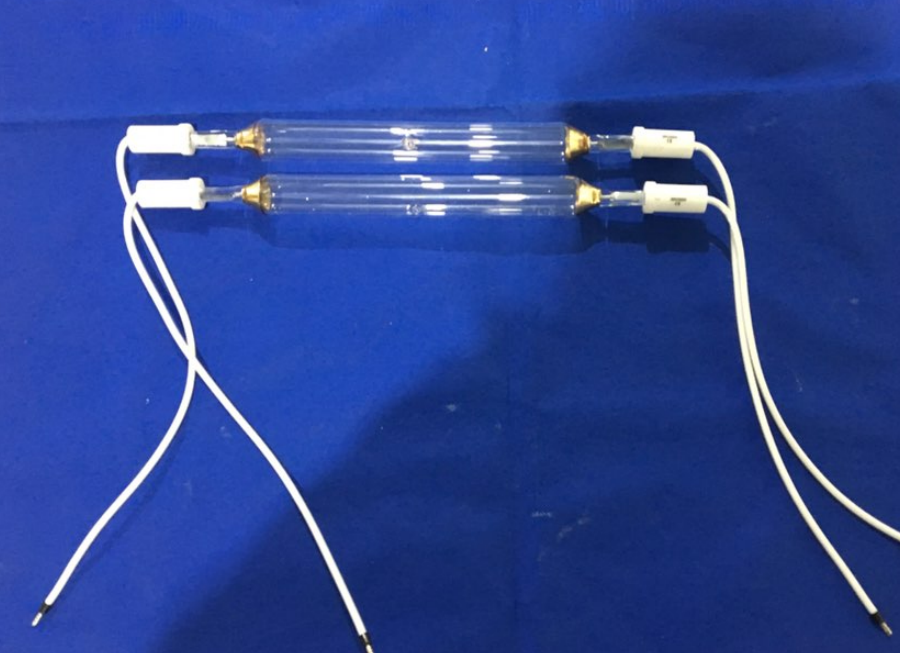
We build our quartz UV lamp tubes to hold a stable mercury vapor discharge, delivering consistent spectral output at 365nm, 385nm, or 405nm to line up with the photoinitiator absorption profiles in offset, flexo, and screen inks. A high-reflectivity dichroic reflector keeps peak irradiance steady across the curing window, and controlled envelope chemistry keeps things ozone-free. Match the voltage and arc length to your existing high-pressure mercury lamp system, and you get consistent output density for repeatable cross-linking.
Why it matters on the floor
CE-certified quartz tubes keep your shipments moving globally. They give you auditable evidence that the curing module meets EU safety directives, which cuts down on customs holds and factory audits. On the production side, stable spectral output and repeatable energy density shorten cure-to-handle time, reduce scuffing and adhesion failures, and stretch out lamp service intervals. Fewer lamp swaps, lower energy use per unit, and more predictable OEE.
The details that make it work
Installation comes down to precision. The lamp has to sit dead-on in the reflector focal plane—misalignment of 1–2mm can measurably drop irradiance on the substrate. Match lamp current and warm-up time to the driver spec, and use a calibrated radiometer to confirm your dose at the web. CE marking applies to the whole module, so verify the complete assembly—tube, reflector, and power supply—is certified for your target market.