Getting Your Textile Inks to Set: The Truth About Mercury UV Lamps
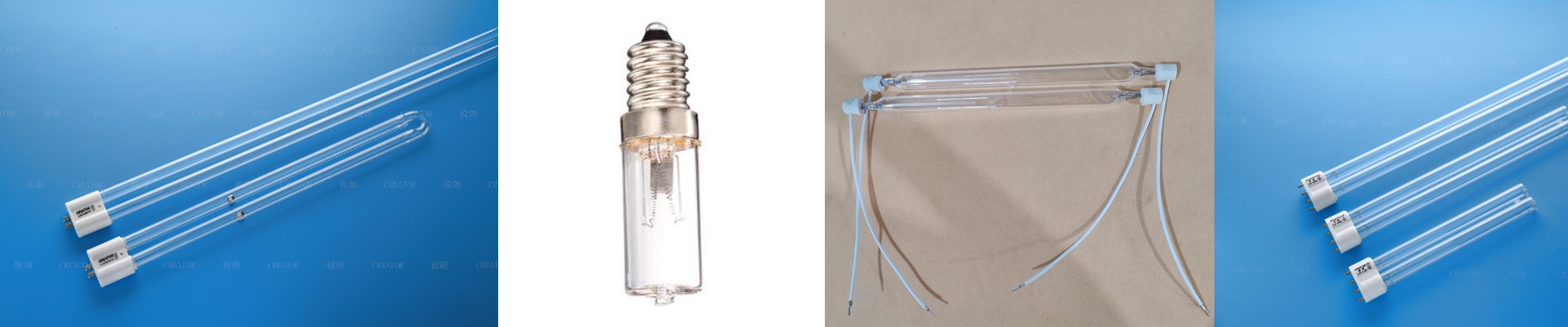
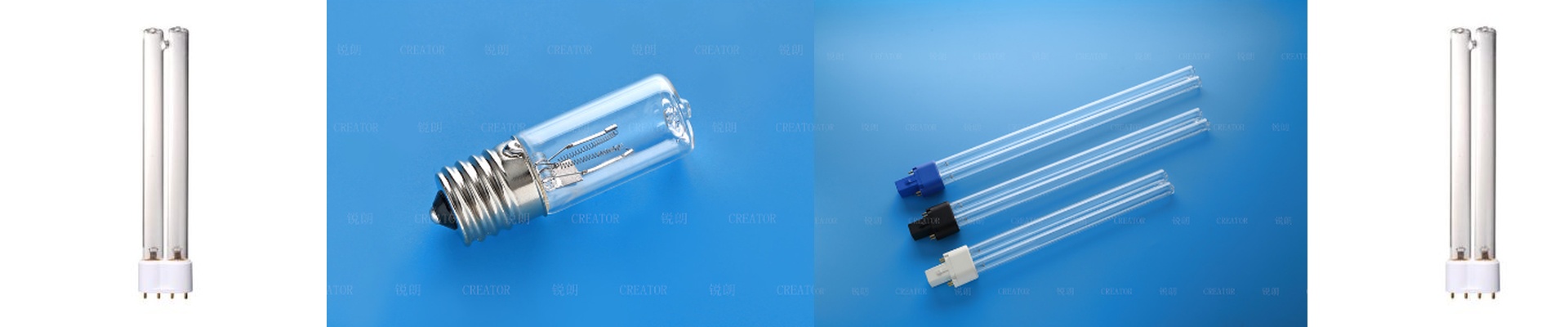
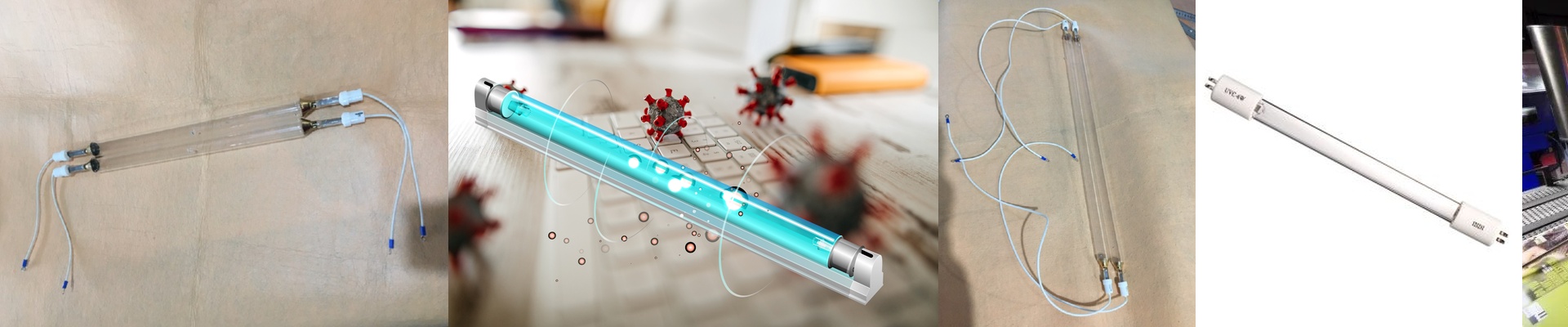
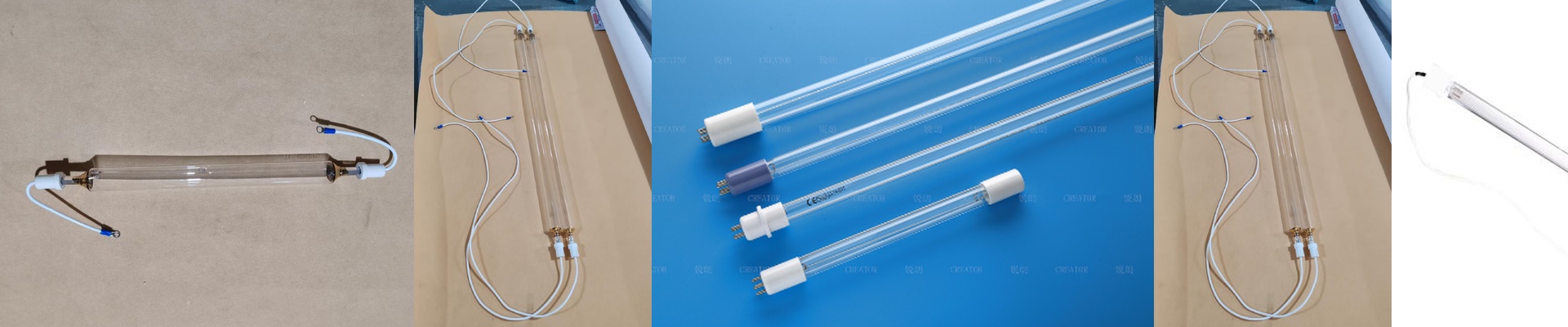
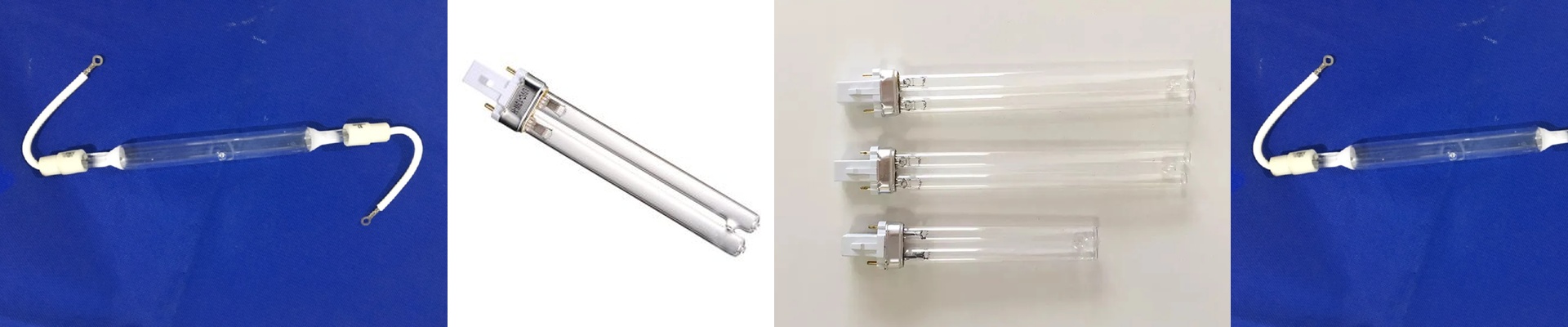
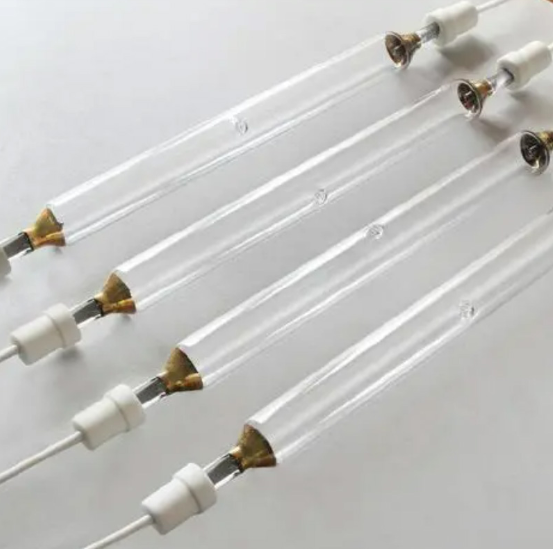
If you’re printing on fabric, you know the drill. You’ve got a great design, the colors are popping, but now you need that ink to actually stay there. That’s where our mercury UV bulbs come in. Think of these as the heavy lifters of the curing process. They don’t just light up the room; they hit the ink with a specific kind of energy that turns liquid into a solid film in a matter of seconds. It’s the difference between a print that smudges the moment it touches a customer and one that’s locked in for the long haul. Power and Speed Here is the thing: speed is everything when you’re running a production line. Our lamps use mercury vapor to pump out intense UV radiation. If you need to crank up your conveyor belt to hit a deadline, you need more “oomph” (irradiance). More wattage means you can move faster without worrying about “under-cure.” You’ll know if you’ve got a problem the moment you touch the fabric. If it feels tacky or sticky? You either need to slow the line down or step up the power. Simple as that. The Details That Actually Matter We use high-purity quartz glass for a reason. It lets the UV light through without blocking it, and it doesn’t crack when things get scorching hot. But here is where people usually trip up: the fit. Your lamp has to sit perfectly in your reflector. If it’s off by just a few millimeters or slightly off-center, you get hot spots. That’s a recipe for disaster. You’ll either burn through your bulbs way too fast or, even worse, you’ll end up with scorched fabric. Nobody wants to throw away a roll of expensive material because of a bad fit. Setting Them Up In a typical shop, these bulbs live inside a curing tunnel, wired into a ballast that keeps the current steady. Just a heads-up: these things gethot. Seriously hot. Make sure your cooling fans and exhaust systems are actually doing their job. If the heat builds up too much, the bulbs drift out of their sweet spot and you lose that UV intensity. The good news? We designed these to be easy drop-in replacements. As long as your wattage and end-cap dimensions match your current rig, you’re good to go. No headaches, no complicated installs. Just swap them out and get back to printing.