


Getting the Most Out of Our 120W/cm Mercury UV Lamps
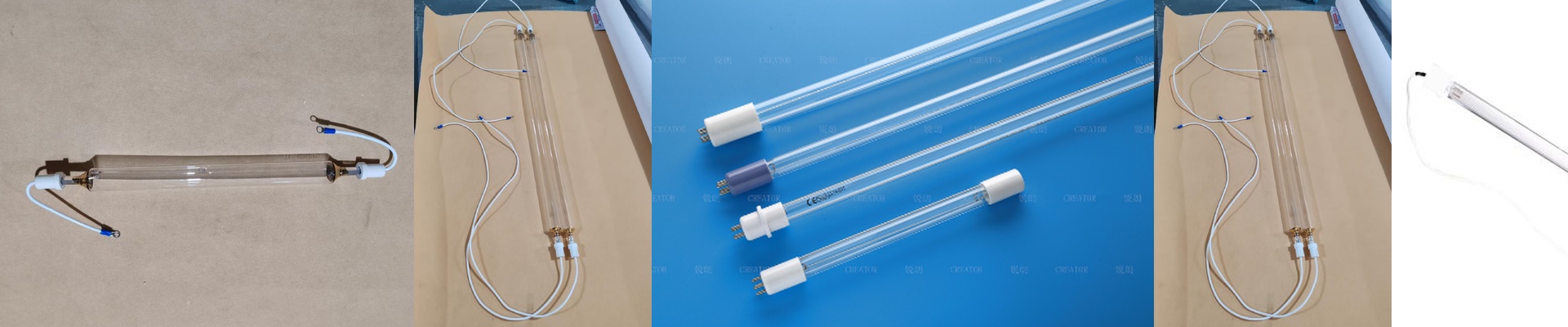
We set our standard mercury lamps to 120W per centimeter for a very practical reason. It’s the “sweet spot.” It’s enough punch to get industrial resins to polymerize fast, but not so much that you end up warping your parts.
The real-world physics
When you’re pushing 120W into every single centimeter of the arc, you’re dealing with a massive amount of energy. We use high-purity mercury vapor to make sure you get exactly the UVC and UVB wavelengths you need. But here’s the thing: that much power creates a ton of heat.**Do not skimp on your cooling jackets.**If your water or airflow dips for even a moment, that quartz envelope is going to soften and pop. It’s that simple.
What’s under the hood
We use synthetic fused silica for the envelope because it can take the hit of rapid start-stop cycles without cracking. The electrodes are tungsten, which keeps the lamp from burning out too early. We also spend a lot of time calibrating the gas fill. Why? Because we want those spectral lines to stay tight. If they drift as the lamp ages, your curing speed drops, and suddenly your production line is lagging.
Making it work in your shop
These are designed to be drop-in replacements for most standard arrays. Just pair them with a high-frequency electronic ballast. It kills the flicker and bumps up the output. Just a heads-up: 120W/cm is a heavy load. It’ll slash your curing time, but if you aren’t careful, you can “over-cure” the surface. That’s how you get brittle parts or that annoying yellow tint. You’ve got to find the right balance between your conveyor speed and the lamp’s intensity so you don’t scorch your product. To keep everything running smoothly, we suggest swapping them out every 1,000 to 2,000 hours. It’s the only way to keep your line speeds consistent.